DeepSeek Sends Shockwaves Through US Tech Industry
The emergence of DeepSeek, a Chinese-developed artificial intelligence model, has sent shockwaves through the US tech industry, particularly in the field of AI. By surpassing Meta's Llama4 model in benchmark tests, DeepSeek has caught the US tech industry off guard, sparking both surprise and concern. The implications of this breakthrough are far-reaching, with potential consequences for the global balance of power in AI research and development.
26 January 2025
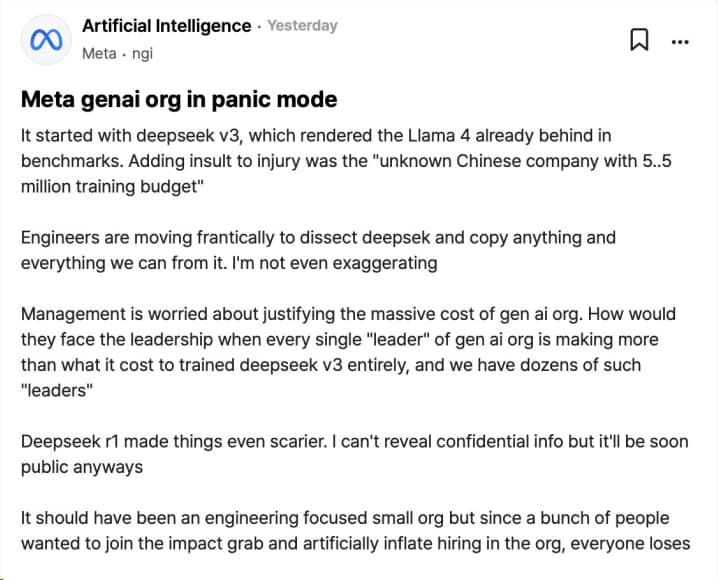
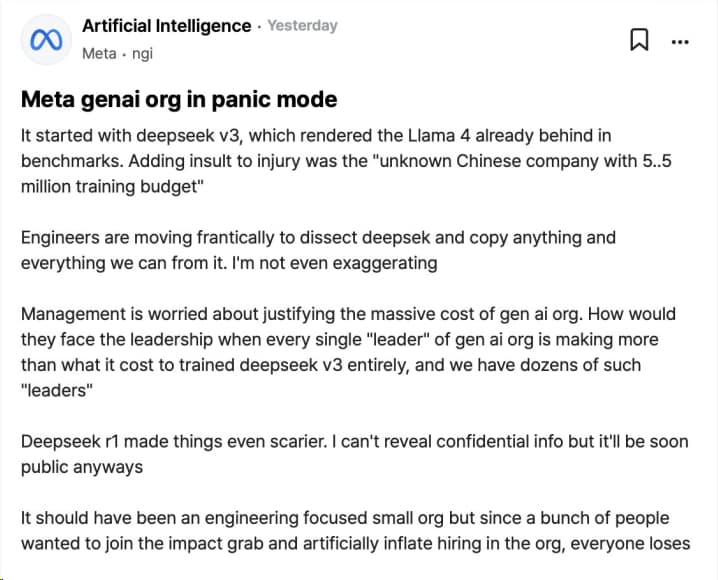
DeepSeek's achievement is all the more remarkable given the relatively low cost of its development, with training costs reportedly under $5.5 million, a fraction of the budget allocated to Meta's AI research. This disparity has raised eyebrows, with some Meta employees expressing panic and scrambling to analyze and replicate DeepSeek's technology. The fact that a Chinese company has achieved such a significant breakthrough with limited resources has challenged the conventional wisdom that the US dominates the field of AI.
The repercussions of DeepSeek's success extend beyond the tech industry, with potential implications for the global economy and geopolitical landscape. As the US and China engage in a high-stakes competition for AI supremacy, DeepSeek's emergence has narrowed the gap between the two nations, raising questions about the future of American leadership in the field. With its open-source model and relatively low training costs, DeepSeek is poised to democratize access to AI, potentially altering the industry's economic landscape and creating new opportunities for innovation and collaboration.
The emergence of DeepSeek has sent shockwaves throughout the American tech industry, with companies like Meta experiencing a sense of panic. Efforts are being made to analyze and replicate DeepSeek's technology in order to understand the factors contributing to its success. However, what's striking is that DeepSeek's training cost, which stands at a mere $5.5 million, pales in comparison to the salary of a single Meta executive, which surpasses this amount. This stark contrast has left the American tech industry feeling embarrassed and introspective.
The panic within Meta is exemplified by the frenzied efforts of engineers to dissect DeepSeek, aiming to unravel the mystery behind its impressive performance. This is not an exaggeration, as the management is grappling with the implications of the significant investments made in the GenAI research and development department. The fact that the salary of a single high-ranking executive exceeds the entire training cost of DeepSeekV3 raises serious questions about the efficiency and value of these investments.
Moreover, the impact of DeepSeek extends beyond the corporate realm, influencing the academic community as well. Researchers from multiple countries are leveraging DeepSeek due to its affordability and effectiveness. For instance, a research group highlighted the significant cost difference between using DeepSeek (costing less than $10) and an alternative (exceeding £300) for experimental purposes. This not only underscores the accessibility of DeepSeek but also indicates a potential shift in the dynamics of the global tech competition, particularly between the U.S. and China.
The open-sourcing of DeepSeek is poised to further iterate its application value, suggesting a future where such technologies could become commonplace, thereby leveling the playing field in AI development. The ongoing impact of DeepSeek on Silicon Valley, often likened to the unanticipated success of "Black Myth: Wukong" in the West, symbolizes an underdog story of resilience and innovation. This narrative of how something perceived as improbable or irrational could flourish despite adversity serves as a stark reminder of the unpredictable nature of technological advancements.
In essence, the reaction within the American tech industry to DeepSeek reflects a mix of awe, panic, and a dash of embarrassment. As DeepSeek continues to make waves, it challenges the status quo, pushing tech giants to reevaluate their strategies and expenditures. The future implications of DeepSeek's uncomplicated yet effective approach to AI technology are profound, suggesting a potential democratization of access to cutting-edge AI tools and a significant shift in the global AI landscape.
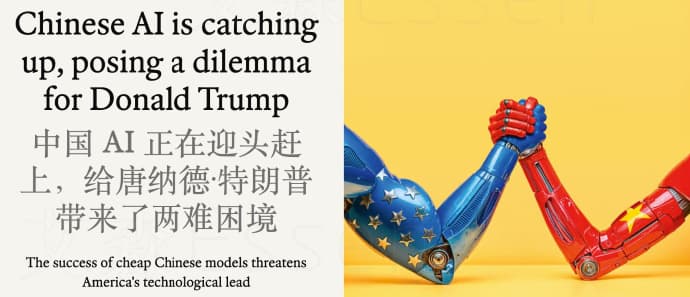
The success of DeepSeek marks a new era in the Sino-American artificial intelligence competition. China's AI models are rapidly catching up with those of the United States, putting pressure on the American tech industry. The open-source nature of DeepSeek, in particular, allows more researchers and companies to use and improve its technology, further narrowing the gap in the AI competition between the two countries.
The Chinese model's success is a wake-up call for the United States, which has long been the leader in AI technology. The fact that China has been able to develop a high-performance AI model like DeepSeek at a significantly lower cost than its American counterparts is a testament to the country's rapid progress in the field. This has significant implications for the future of AI development, as it suggests that China may be able to challenge America's dominance in the industry.
Moreover, the open-source nature of DeepSeek means that its technology can be widely adopted and improved upon, which could lead to a proliferation of AI models in the market. This, in turn, could disrupt the traditional economic model of the tech industry, where companies like Google and Meta have dominated the market with their large-scale AI models. The fact that DeepSeek's training cost is less than $6 million, compared to the tens of millions of dollars spent by American companies, is a significant advantage that could allow Chinese companies to gain a foothold in the market.
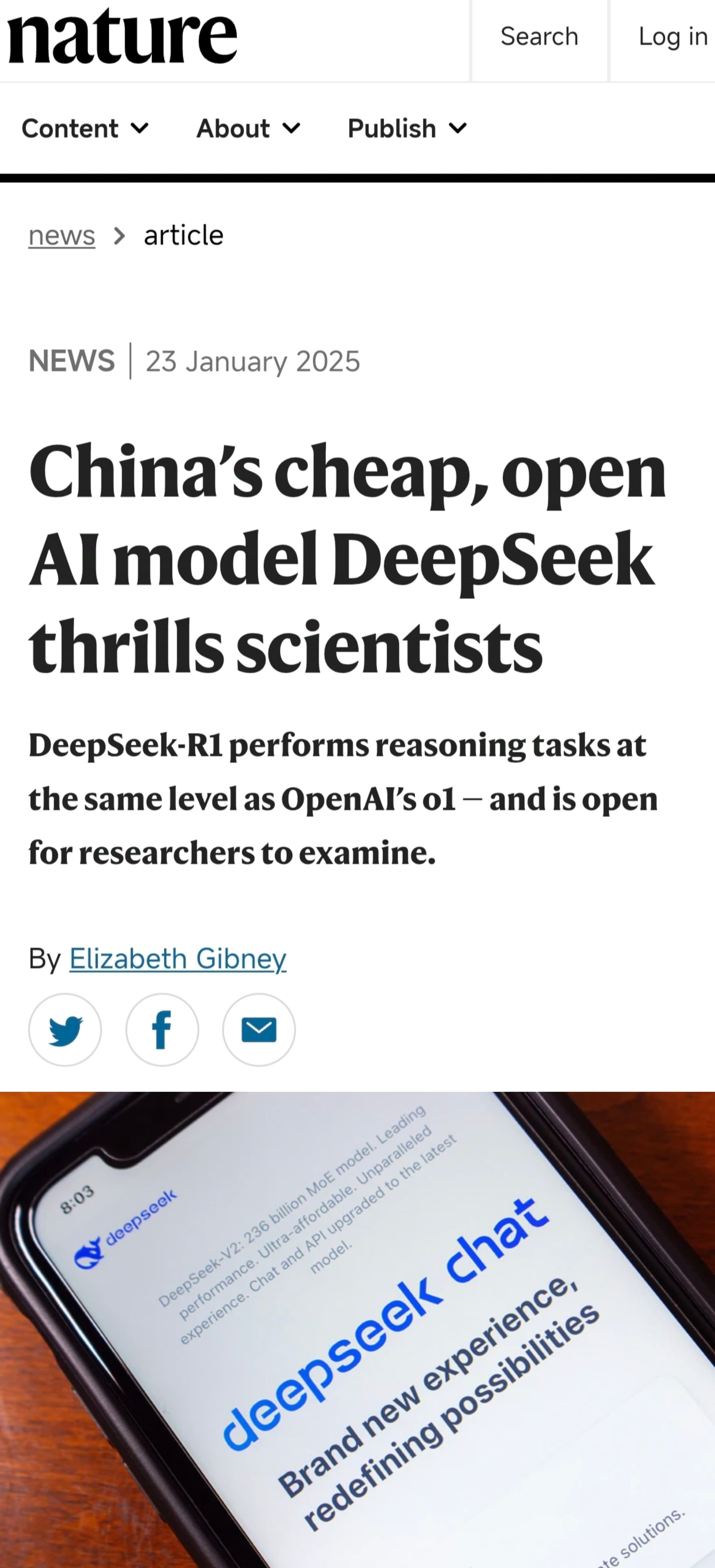
The rise of DeepSeek also highlights the asymmetric competition between the United States and China in the AI field. While the United States has traditionally relied on its advanced hardware and software capabilities to maintain its lead in AI, China is using its sheer scale and efficiency to catch up. The fact that China is able to develop high-performance AI models at a lower cost and with fewer resources is a significant challenge to the American tech industry, and one that it must take seriously if it is to maintain its competitive edge.
The emergence of DeepSeek is set to have a profound impact on the US tech industry. Firstly, it is poised to revolutionize the way artificial intelligence models are trained, and significantly alter the cost structure associated with this process. This disruption is particularly noteworthy given that DeepSeek-V3 was reportedly trained on a budget of just $5.5 million, a fraction of what a single high-ranking executive at Meta might earn, and drastically less than the costs typically associated with training complex AI models in the US.
Secondly, DeepSeek's success positions China to occupy a more central role in the global AI landscape. This could fundamentally shift the competitive dynamics in AI research and development, potentially challenging the dominance that US tech companies have enjoyed. The fact that a relatively small investment could yield such significant advancements underscores the rapidly narrowing gap between Chinese and American AI capabilities.
Lastly, the advent of DeepSeek is likely to accelerate innovation within the US tech sector, as companies scramble to understand and replicate the technology behind DeepSeek. This race to catch up could lead to a period of heightened research and development activity, driven by the imperative to remain competitive in the face of rapidly advancing Chinese AI capabilities. The fear of being overtaken by Chinese AI models, such as DeepSeek, could thus serve as a catalyst for American tech companies to revisit their strategies, invest more heavily in AI research, and explore more cost-effective and efficient methods of training AI models.
In essence, DeepSeek's impact on the US tech industry is multifaceted, pushing the boundaries of what is believed possible with limited funding, challenging the existing global AI order, and forcing a reevaluation of the costs and strategies associated with AI development in the US. As the tech industry continues to evolve, the implications of DeepSeek's emergence are likely to be far-reaching, influencing not just the technological advancements but also the economic and geopolitical landscape of AI research and development.
Comments