What it Means to Earn $500,000 a Year in China
The concept of a family's annual income reaching 500,000 yuan is a significant milestone in China, representing a relatively high standard of living. According to various reports and studies, a family with an annual income of 500,000 yuan can be considered as having entered the middle class, with the ability to afford basic necessities, entertainment, and some luxury items.
16 February 2025
In China, the definition of middle-class households varies, with the National Bureau of Statistics defining them as those with an annual income between 50,000 and 420,000 yuan. However, other reports suggest that a higher income threshold of 150,000 yuan or more is needed to be considered truly middle-class. Globally, the definition of middle class also varies, with different countries having different income thresholds. For example, in the United States, a family with an annual income of 66,300 to 331,900 yuan is considered upper-middle-class, while in Germany, a monthly income of 17,600 to 36,000 yuan is considered middle-class.
Having a family income of 500,000 yuan per year would place a household in a relatively affluent position in China, with the ability to enjoy a high standard of living, own a car, and afford luxury items. However, even with such an income, there are still significant expenses to consider, including housing, education, and retirement savings. The concept of a family income of 500,000 yuan is complex and multifaceted, involving not only economic factors but also social and cultural considerations.
The income hierarchy tables and standards of a "xiaokang" (comfortable) life in China provide further insight into the concept of middle-class families. According to these tables, Chinese families can be categorized into five levels, ranging from struggling families with an annual income below 50,000 yuan to affluent families with an annual income above 400,000 yuan. A family with an annual income of 500,000 yuan would likely be considered upper-middle-class or even affluent, depending on the region and other factors.
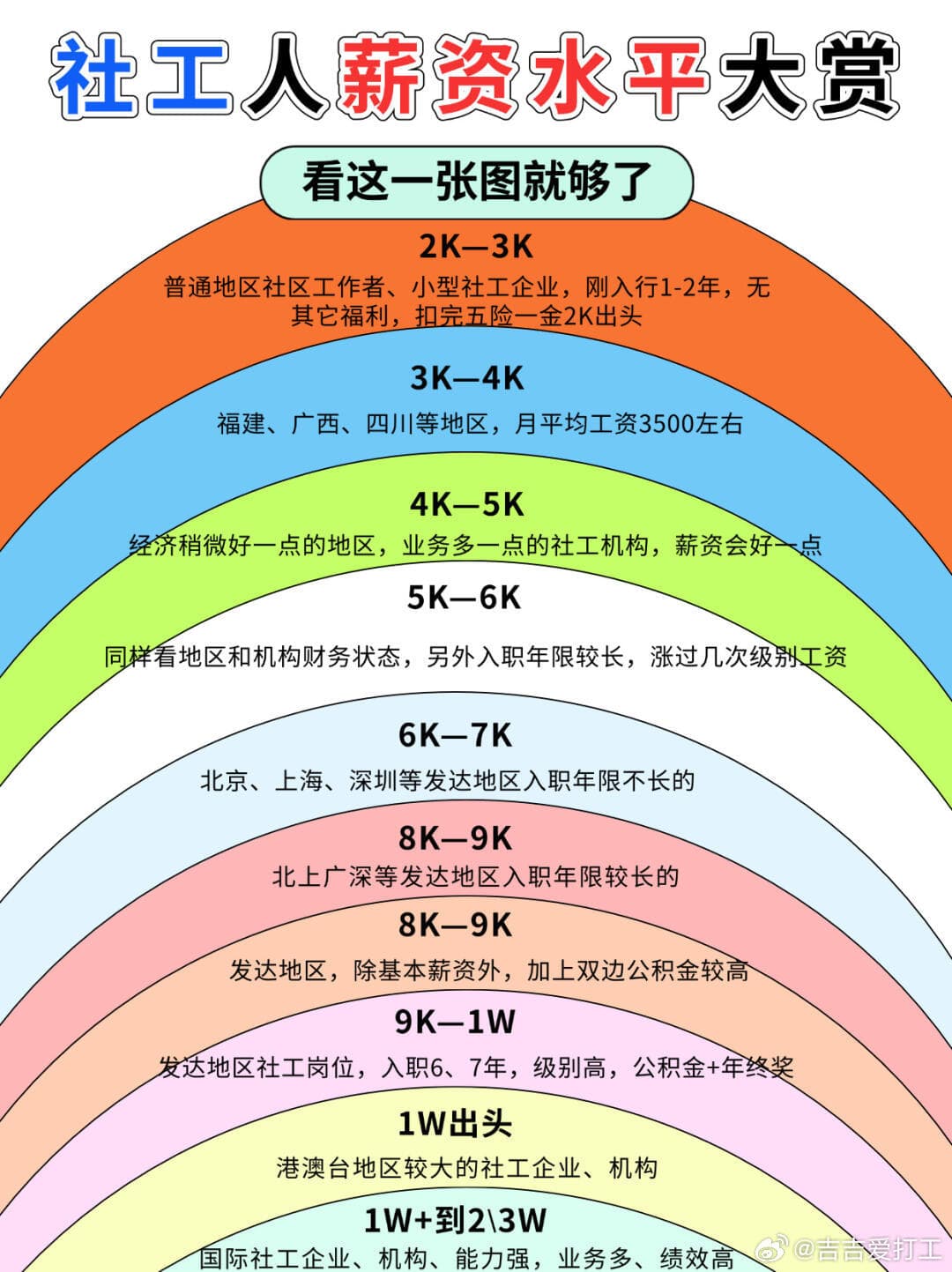
The discussion around middle-income groups has significant implications for China's economic development and social policies. As the country continues to grow and urbanize, the expansion of the middle-income group is crucial for maintaining social stability and promoting economic growth. Experts have called for policies to support the growth of the middle-income group, including income redistribution, education, and social security reforms.
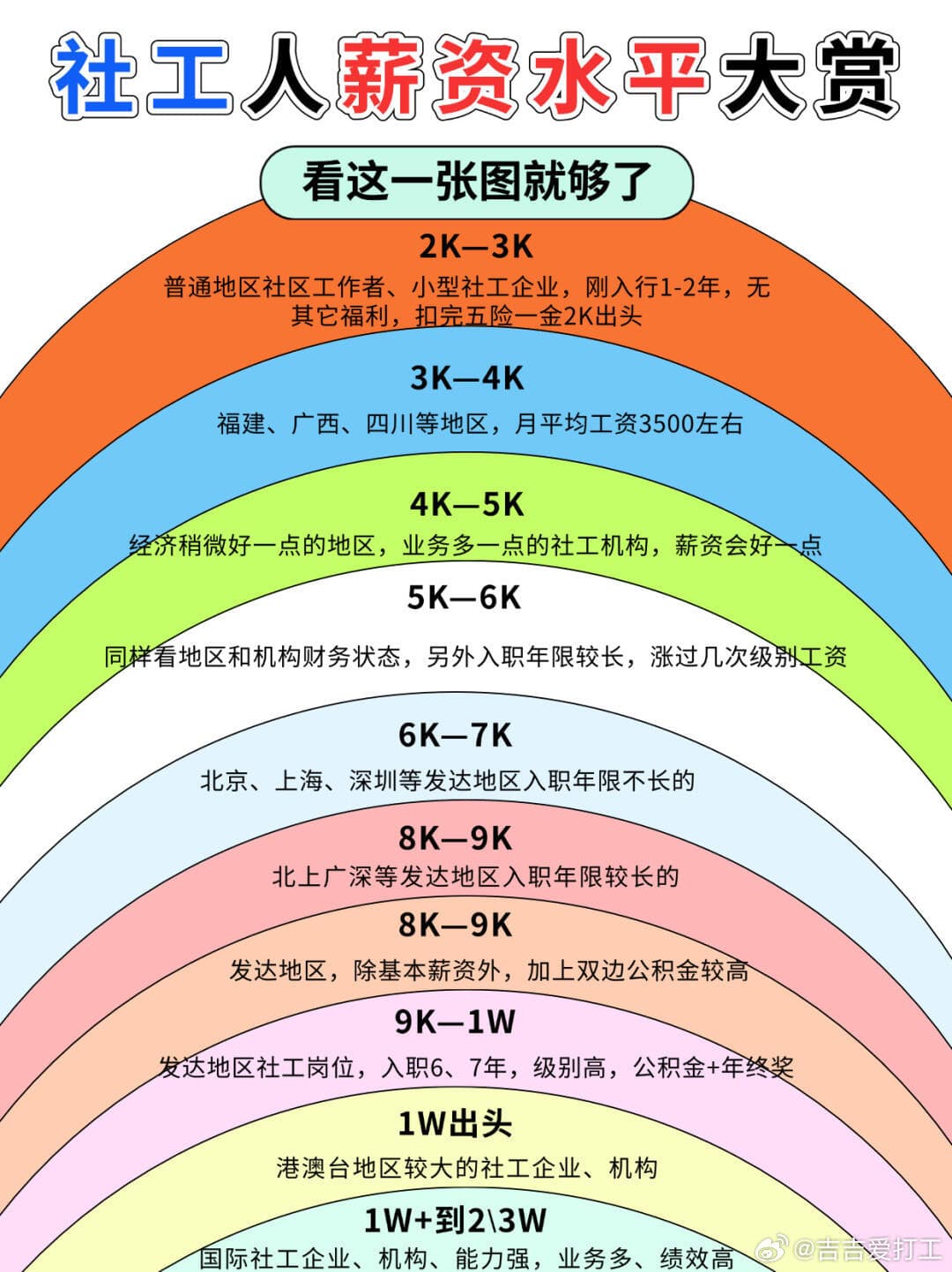
A recent video posted on Weibo, a popular Chinese microblogging site, has sparked a heated discussion on social media platforms in China, with many netizens sharing their own experiences and opinions on the matter. The video reveals that a family with an annual income of 500,000 yuan in Guangzhou can only save around 230,000 yuan after deducting various expenses, leaving many viewers surprised and concerned about their own financial situations.
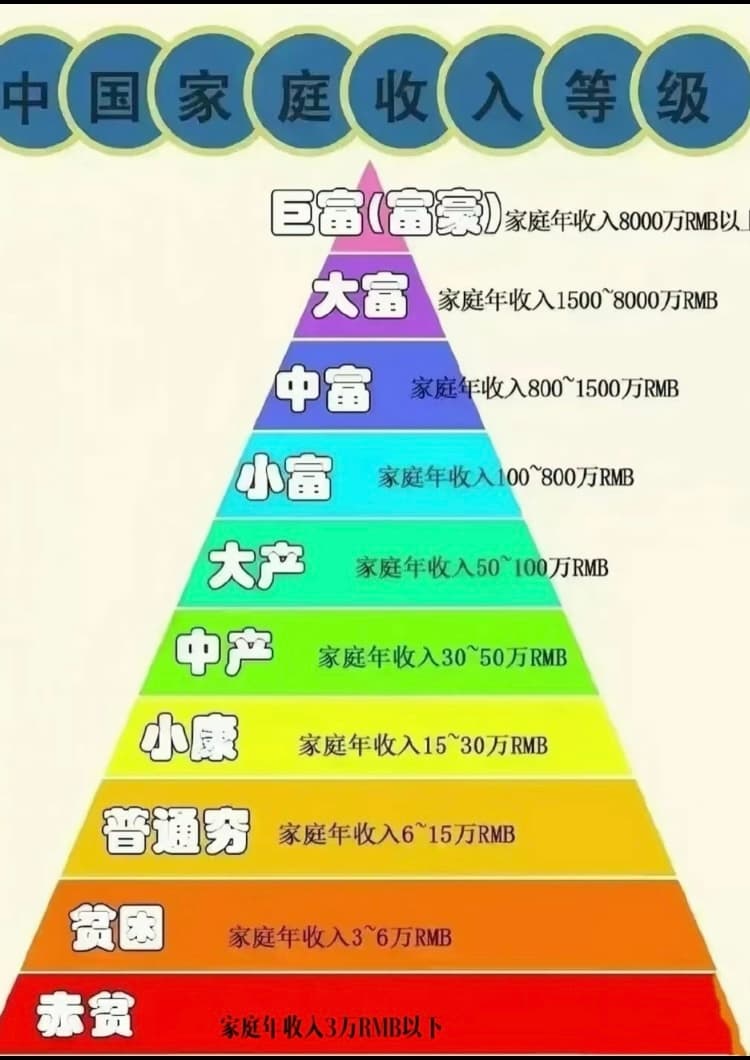
Economists, including renowned experts in the field of income distribution, have emphasized that the standard for middle-income groups is based on family per capita annual income, not individual labor income. According to the National Bureau of Statistics, a family with an annual income of 100,000 to 500,000 yuan is considered middle-income. However, this standard is not universally accepted and may vary depending on the region and individual circumstances.
In conclusion, the concept of a family's annual income of 500,000 yuan is associated with a relatively high standard of living, exceeding the basic xiaokang income standard. However, the actual living standards and consumption patterns may vary significantly depending on factors like region, industry, and personal lifestyle choices. As China continues to evolve, the definition of middle class and the income thresholds associated with it are likely to change, reflecting shifting societal values and expectations.
Comments


Share this article
Related Articles
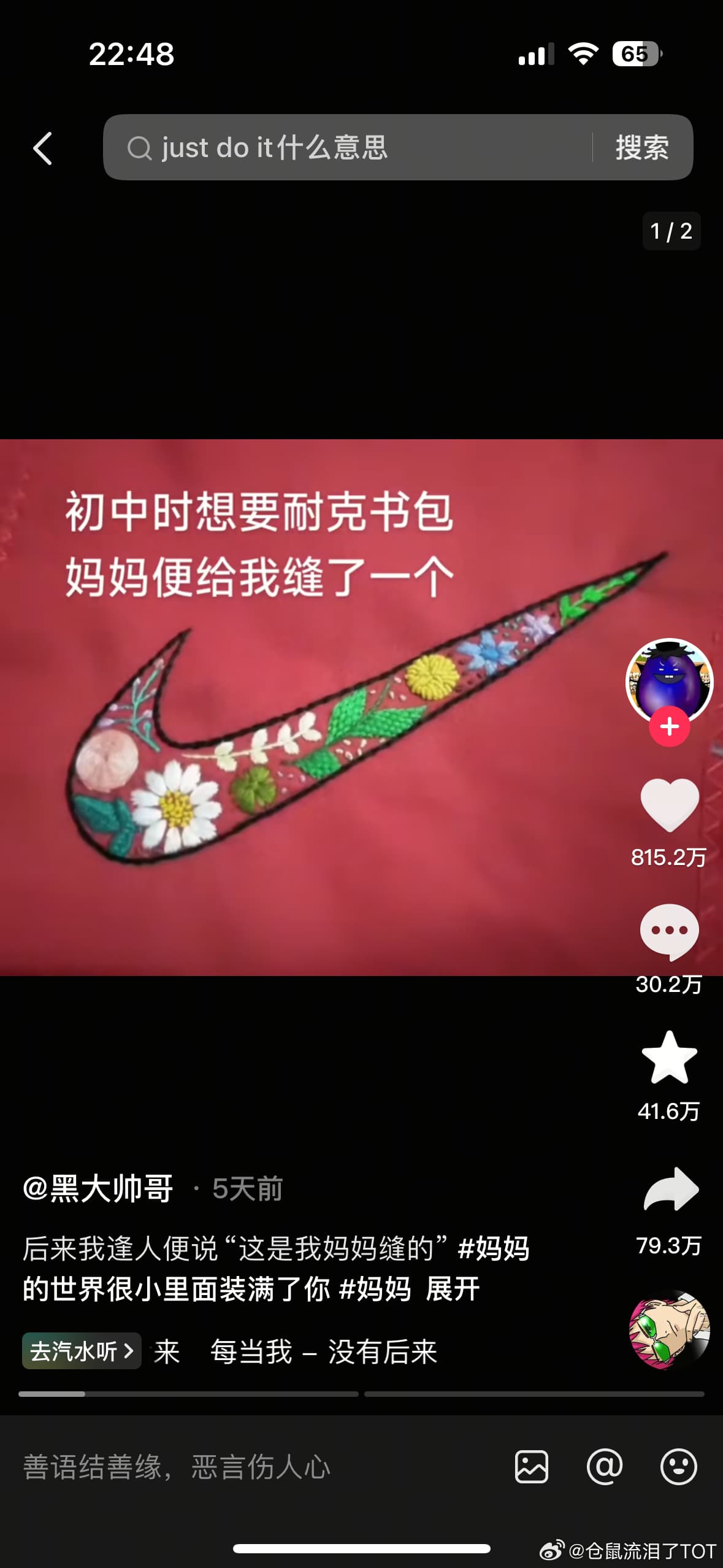
Mother’s Hand‑Stitched Nike Backpack Goes Viral, Showcasing Love, Craftsmanship and Brand Authenticity in China
By Trending on Weibo
Culture
15 Sept 2025
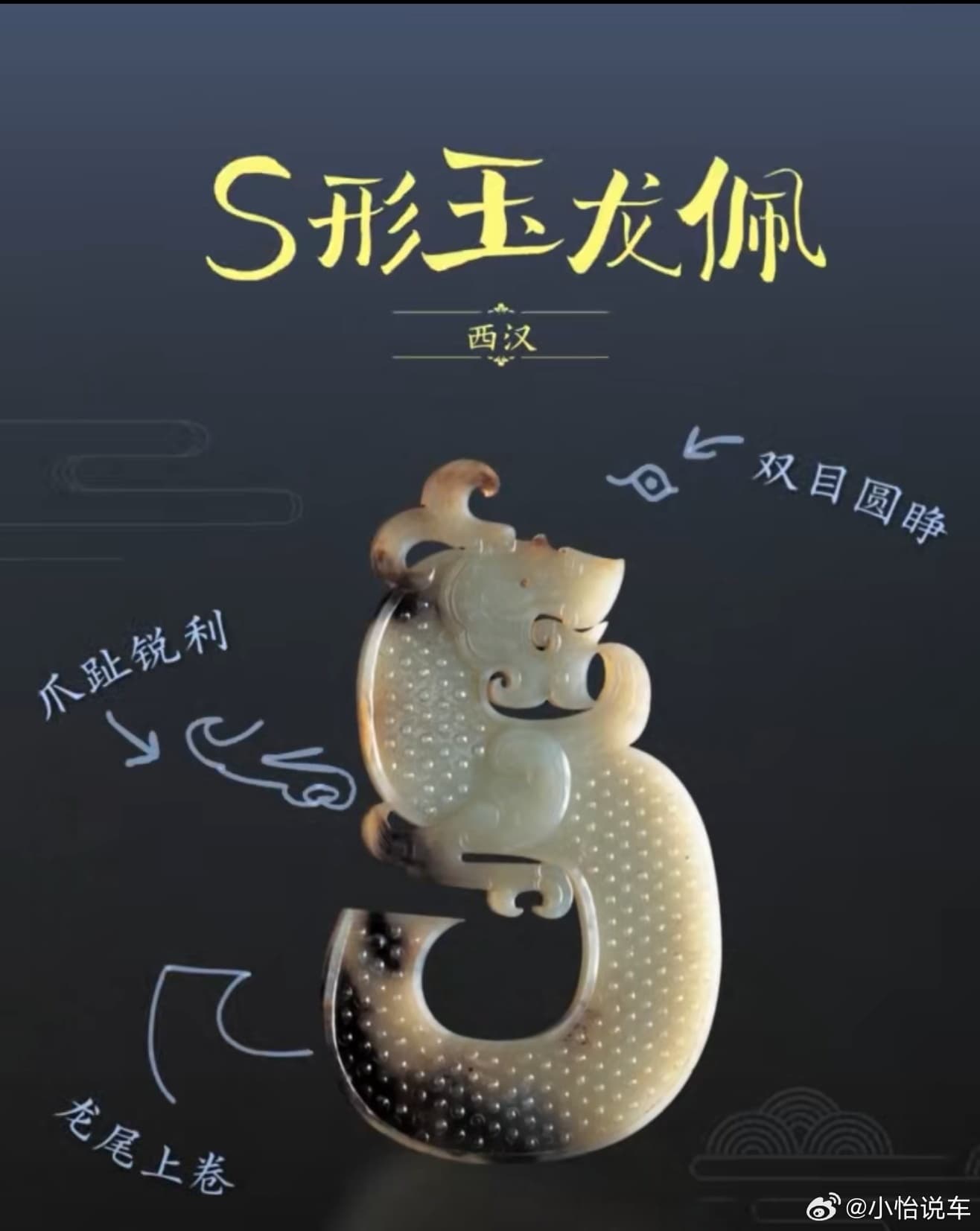
China’s “National Treasure Highlights” Campaign Turns Heritage Into Global Soft‑Power and Consumer Brand】
By Trending on Weibo
Culture
13 Sept 2025
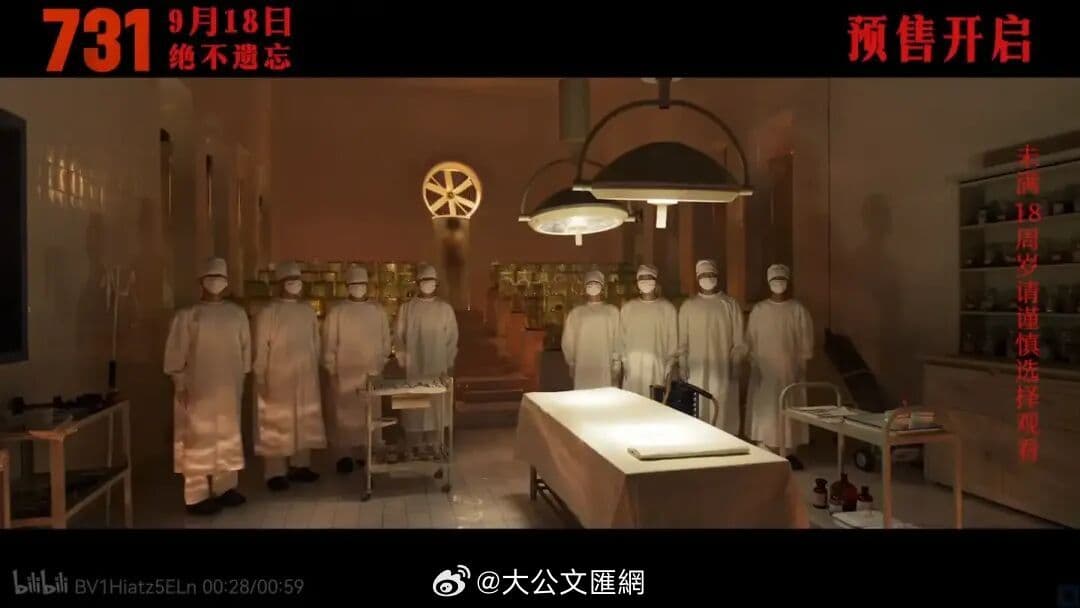
Mystery Meme: Unraveling China’s “Dissected 14 People, Crumbled by a Letter” Phenomenon】
By Trending on Weibo
Culture
8 Sept 2025

Chinese Netizens Turn Blood Moon Into Viral “Too Abstract” Meme
By Trending on Weibo
Culture
8 Sept 2025

From Song Dynasty Verse to 2024 Drama: The Enduring Echo of “Rain‑Laden Bells” in Chinese Culture
By Trending on Weibo
Culture
8 Sept 2025