93-Year-Old Rapist Sparks Debate with 15-Year Prison Sentence and Temporary Parole
Recently, a court in Hunan Province's Shaoyang City has sparked widespread attention and debate with its announcement of a 93-year-old man being sentenced to 15 years in prison for rape. The case has raised questions about the handling of elderly offenders and the application of the law in such circumstances. According to the court's announcement, the 93-year-old man, identified as Zhou, was convicted of rape and sentenced to 15 years in prison. However, due to his inability to care for himself, the detention center refused to accept him, suggesting that the court consider granting him temporary release from prison.

17 February 2025
This case highlights the complexities of dealing with elderly offenders, particularly those who are no longer able to care for themselves. Under Chinese law, individuals over the age of 75 may be eligible for lighter or reduced sentences, or may not be required to serve their sentences in prison due to their age and physical condition. In this case, the court's decision to grant Zhou temporary release from prison has sparked debate about the appropriateness of such a decision, given the seriousness of the crime he was convicted of.
The Shaoyang Intermediate People's Court confirmed the authenticity of the notice and stated that Zhou would undergo community correction. Zhou was found guilty of rape and sentenced to 15 years in prison, but the detention center declined to accept him due to his inability to care for himself. The court subsequently decided to grant him temporary parole, sparking widespread attention and debate. The Shaoyang Intermediate People's Court issued a notice stating that Zhou had been granted temporary parole, and the Shaoyang County Judicial Bureau stated that they would work with the court to implement community correction for Zhou.

The case has raised concerns and questions about the handling of elderly prisoners and the application of community correction in China. The decision to grant Zhou temporary parole has sparked discussion about the balance between punishment and rehabilitation, particularly in cases involving elderly or infirm prisoners. The public has reacted with outrage and debate, questioning how a 93-year-old individual could commit such a heinous crime, and raising concerns about social safety and the fairness of the justice system. Many have taken to social media to express their shock and dismay, with some calling for stricter punishments for elderly offenders.
The judicial system and regulatory bodies are faced with the daunting task of balancing societal safety and the need for justice with the personal circumstances and needs of the offender. This balancing act is particularly complex when dealing with elderly offenders who may not be able to care for themselves, as their imprisonment could lead to undue suffering and significant additional costs for the state to provide the necessary care. The primary challenge lies in the legal framework's ability to accommodate the unique needs of elderly offenders while maintaining the integrity and fairness of the justice system.
This case highlights the need for a more comprehensive and specialized approach to handling elderly offenders, which might involve the development of geriatric correctional facilities or community-based programs designed to cater to the unique needs of this demographic while ensuring public safety. The integration of healthcare, social services, and legal frameworks is crucial in addressing the complexities presented by elderly offenders, ensuring that their rights and needs are respected while also upholding the principles of justice. The debate sparked by this case underscores the importance of public discourse on crime, punishment, and rehabilitation, particularly in the context of an aging population. As societies around the world grapple with the challenges of aging, the issue of elderly criminality and how to effectively and humanely manage it will become increasingly prominent.
Comments


Share this article
Related Articles

Xi Jinping Elevates Cybersecurity to Core National‑Security Pillar, Driving China’s Quest for a Cyber Superpower
By Trending on Weibo
News & Politics
15 Sept 2025
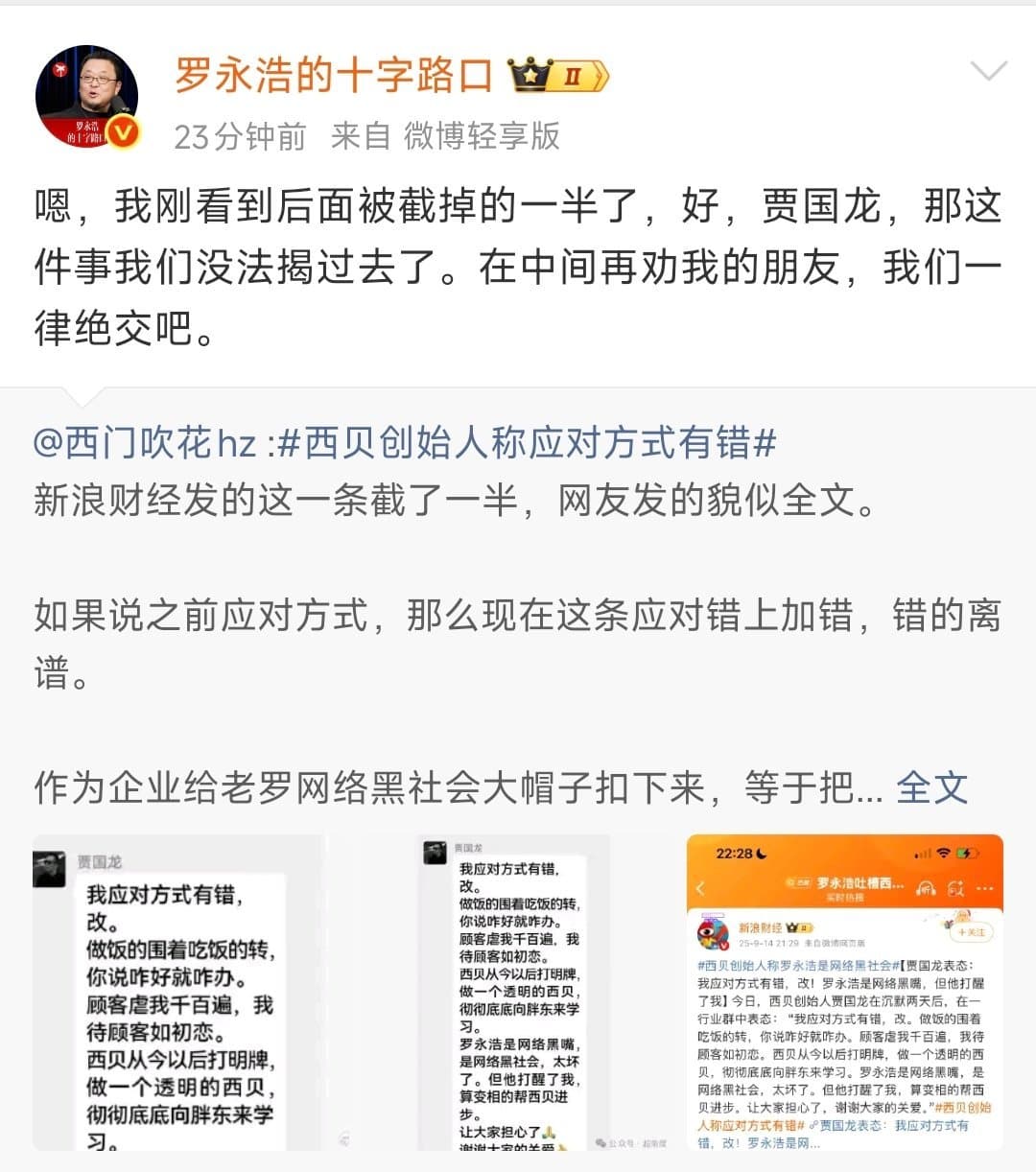
Luo Yonghao vs. Xibei: Celebrity Entrepreneur Sparks Media Storm Over Pre‑Made Dishes and Calls for Transparency
By Trending on Weibo
News & Politics
15 Sept 2025

Weibo Celebrates Autumn Harvest as China’s Fields Become the Nation’s Most Beautiful Canvas
By Trending on Weibo
News & Politics
15 Sept 2025
China Enacts First Comprehensive Rental Regulations to Legalize and Stabilize the Rental Market
By Trending on Weibo
News & Politics
15 Sept 2025

Beijing’s Weather Emerges as a Barometer for China’s Climate Policies and Public Life
By Trending on Weibo
News & Politics
13 Sept 2025