Academic Deception Exposed: 95-Later Researcher's Fake Degrees Spark Controversy in China
The recent controversy surrounding a 95-later researcher named Zhao Zijian has sparked a heated debate about the authenticity of his academic credentials. According to his publicly disclosed resume, Zhao holds 4 doctoral degrees from universities in Korea and the Philippines, as well as 6 master's degrees from universities in Spain and Hong Kong. However, an investigation by the Education Department of the Inner Mongolia Autonomous Region found that only one of his doctoral degrees had been authenticated by the department.

18 October 2024
The controversy began when Zhao's resume was posted on the website of the Inner Mongolia Ethnic Culture and Art Research Institute, where he had been hired as a research fellow. Netizens quickly questioned the authenticity of his academic credentials, with some accusing him of academic dishonesty. In response to the controversy, Zhao acknowledged that he had submitted his academic credentials for authentication and was waiting for the results. However, he denied any wrongdoing and claimed that he had obtained his degrees through hard work and dedication.
The Inner Mongolia Ethnic Culture and Art Research Institute has since suspended Zhao's appointment pending an investigation. The incident has sparked a wider debate about the prevalence of academic dishonesty in China and the need for greater transparency and accountability in the academic community. Critics have argued that the case highlights the problems of China's academic system, where the emphasis on qualifications and titles can lead to a culture of dishonesty and corruption. Others have pointed out that the case is not an isolated incident and that there are many others who have obtained fake or dubious academic credentials.

Zhao has acquired four doctoral degrees from universities in Korea, the Philippines, and other countries, as well as six master's degrees from universities in Spain, Hong Kong, and China. However, an investigation by the Inner Mongolia Social Science Association revealed that only one of his doctoral degrees, from Korea's Katus University, has been certified by the Ministry of Education's Service Center for Scholarly Exchange.
The incident has raised questions about the recruitment process of the Inner Mongolia Research Institute, where Zhao was hired as a researcher. The institute's president, Yin Fujun, admitted that the institute had not conducted thorough background checks on Zhao's academic credentials and had relied on his self-submitted materials. Experts argue that the case highlights the problems of academic credential inflation, where individuals and institutions prioritize the quantity of degrees over their quality and authenticity. This phenomenon not only undermines the value of genuine academic achievements but also creates unfair competition for those who have earned their degrees through hard work and dedication.
Furthermore, the incident has exposed the lax management and supervision of social organizations, which can lead to the proliferation of fake or unverified academic credentials. The Inner Mongolia Social Science Association has promised to strengthen its oversight and conduct a thorough investigation into the matter. As for Zhao Zijian, he has acknowledged that his actions were motivated by a desire for personal glory and a sense of self-importance. However, his case serves as a warning to others who may be tempted to follow in his footsteps: the pursuit of fake or unverified academic credentials can have serious consequences and undermine the integrity of the academic community.
The Inner Mongolia Ethnic Culture and Art Research Institute has responded to doubts about its recruitment process, with Director Yin Fujun explaining that Zhao was hired through a personal recommendation and that his academic background was verified through the submission of relevant documents. However, it was later revealed that only one of Zhao's four doctoral degrees had been certified by the Ministry of Education's Overseas Study Service Center. Yin Fujun acknowledged that the institute had not conducted a thorough background check on Zhao's academic credentials, relying instead on the documents he provided.
Zhao himself admitted that he had exaggerated his academic credentials and that he had not accurately represented his academic experience. "I was too proud of my academic achievements and I exaggerated them," Zhao said. "I apologize for any confusion caused and I will strive to be more accurate in the future." The incident has sparked debate about the recruitment process of research institutions in China and the need for more stringent background checks on academic credentials. It has also raised questions about the value of academic degrees and the need for a more nuanced evaluation of a candidate's qualifications.
Experts suggest that the emphasis on academic credentials has created a culture where individuals prioritize accumulating degrees and titles over genuine academic contributions. This phenomenon is perpetuated by institutions that seek to boost their reputation by hiring candidates with impressive-sounding credentials, regardless of their actual expertise or qualifications. To address this issue, it is essential to shift the focus from solely evaluating candidates based on their academic backgrounds to a more holistic approach that considers their research output, expertise, and potential for innovation. Additionally, institutions must strengthen their recruitment processes to ensure that candidates are thoroughly vetted and evaluated based on their actual abilities, rather than just their credentials.
Furthermore, the government and academic community must work together to establish more stringent standards for academic degree recognition and authentication. This includes improving the certification process for foreign degrees and ensuring that domestic institutions are not churning out low-quality degrees that devalue the academic system as a whole. Ultimately, fostering a healthy academic ecosystem requires a collective effort to break down the culture of credentialism and emphasis on "face-saving" that has contributed to this phenomenon. By promoting a more nuanced understanding of academic talent and focusing on genuine research and innovation, China can create an environment that truly values and rewards intellectual curiosity and excellence.
Comments


Share this article
Related Articles
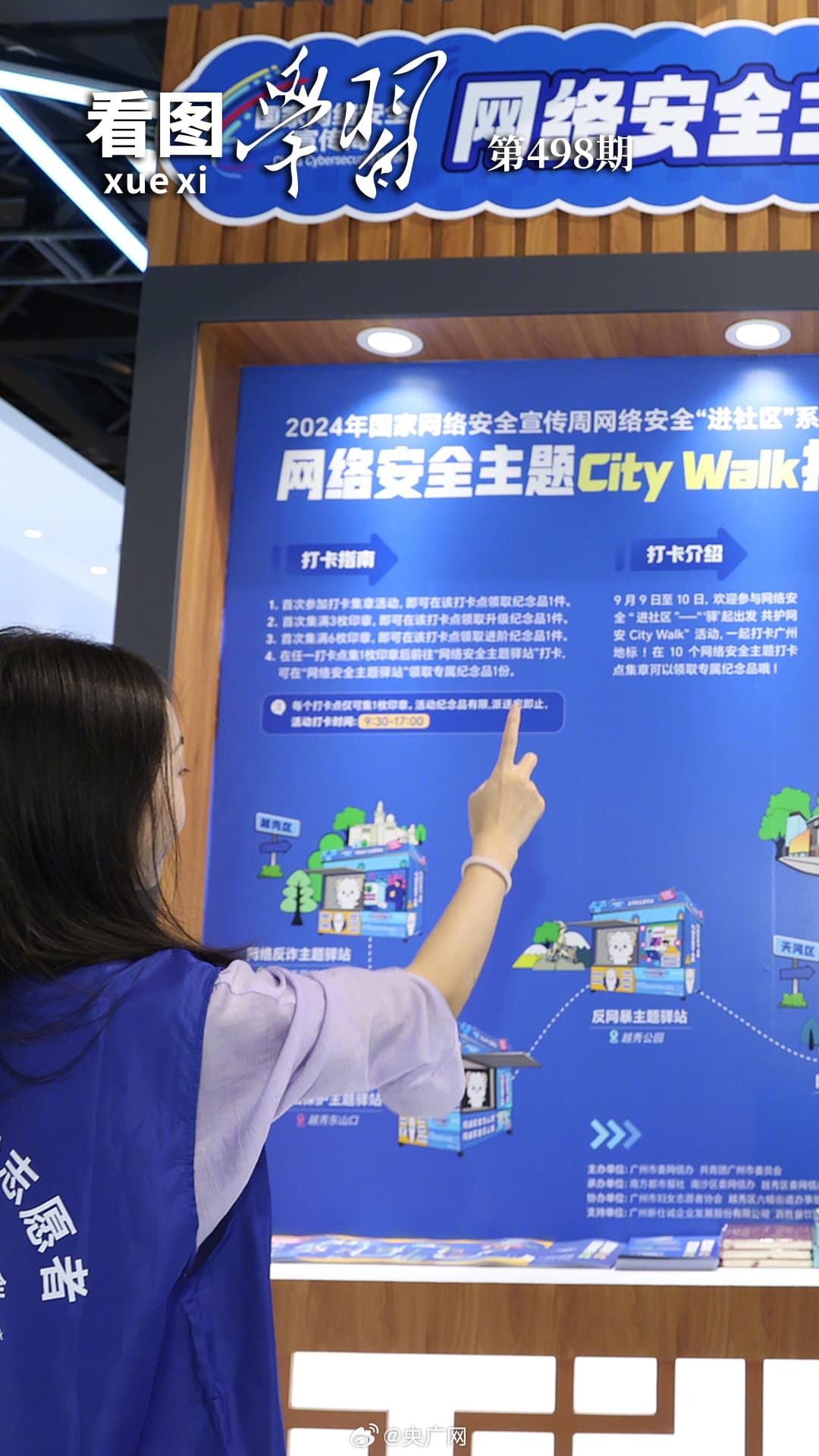
Xi Jinping Elevates Cybersecurity to Core National‑Security Pillar, Driving China’s Quest for a Cyber Superpower
By Trending on Weibo
News & Politics
15 Sept 2025
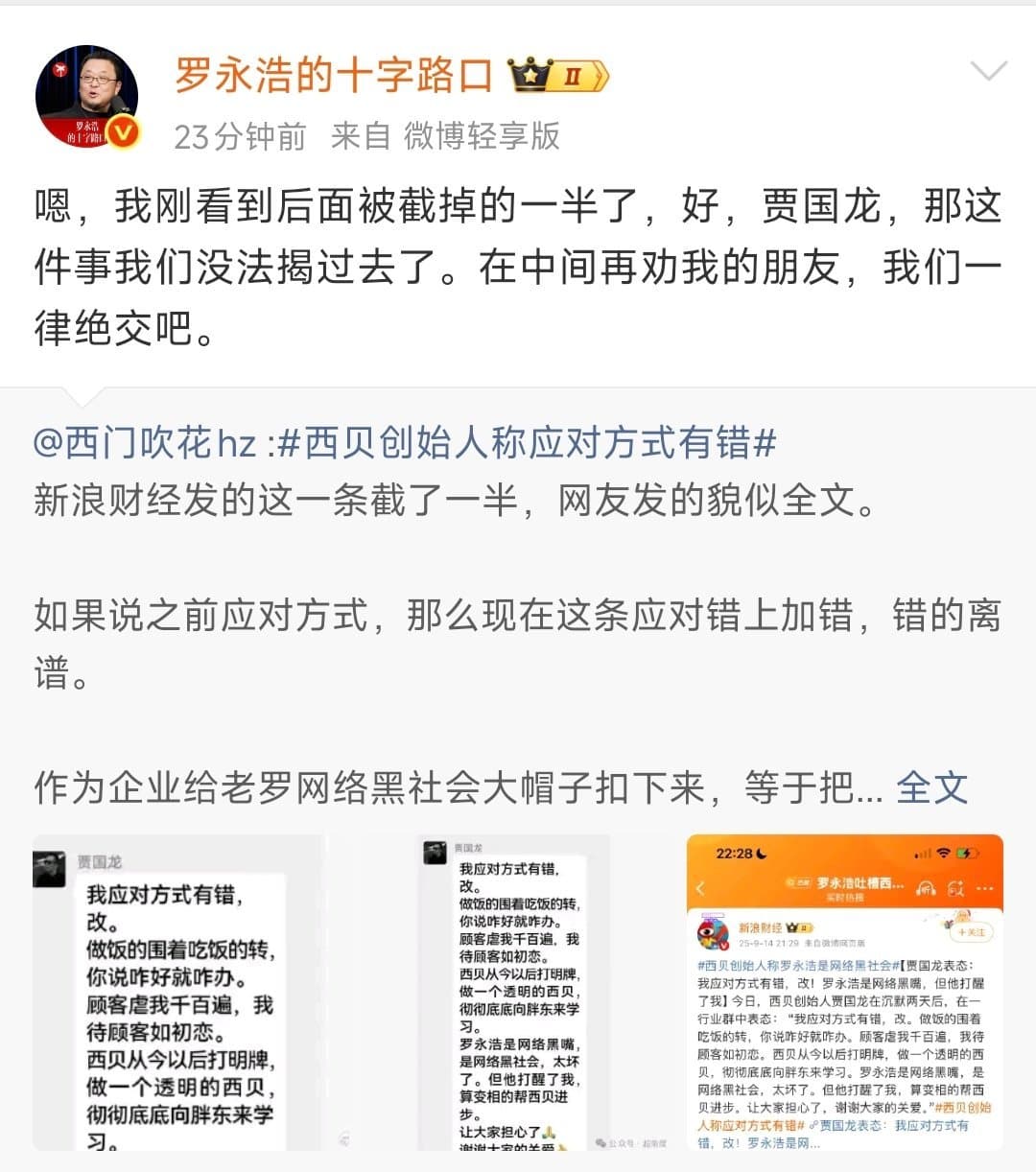
Luo Yonghao vs. Xibei: Celebrity Entrepreneur Sparks Media Storm Over Pre‑Made Dishes and Calls for Transparency
By Trending on Weibo
News & Politics
15 Sept 2025
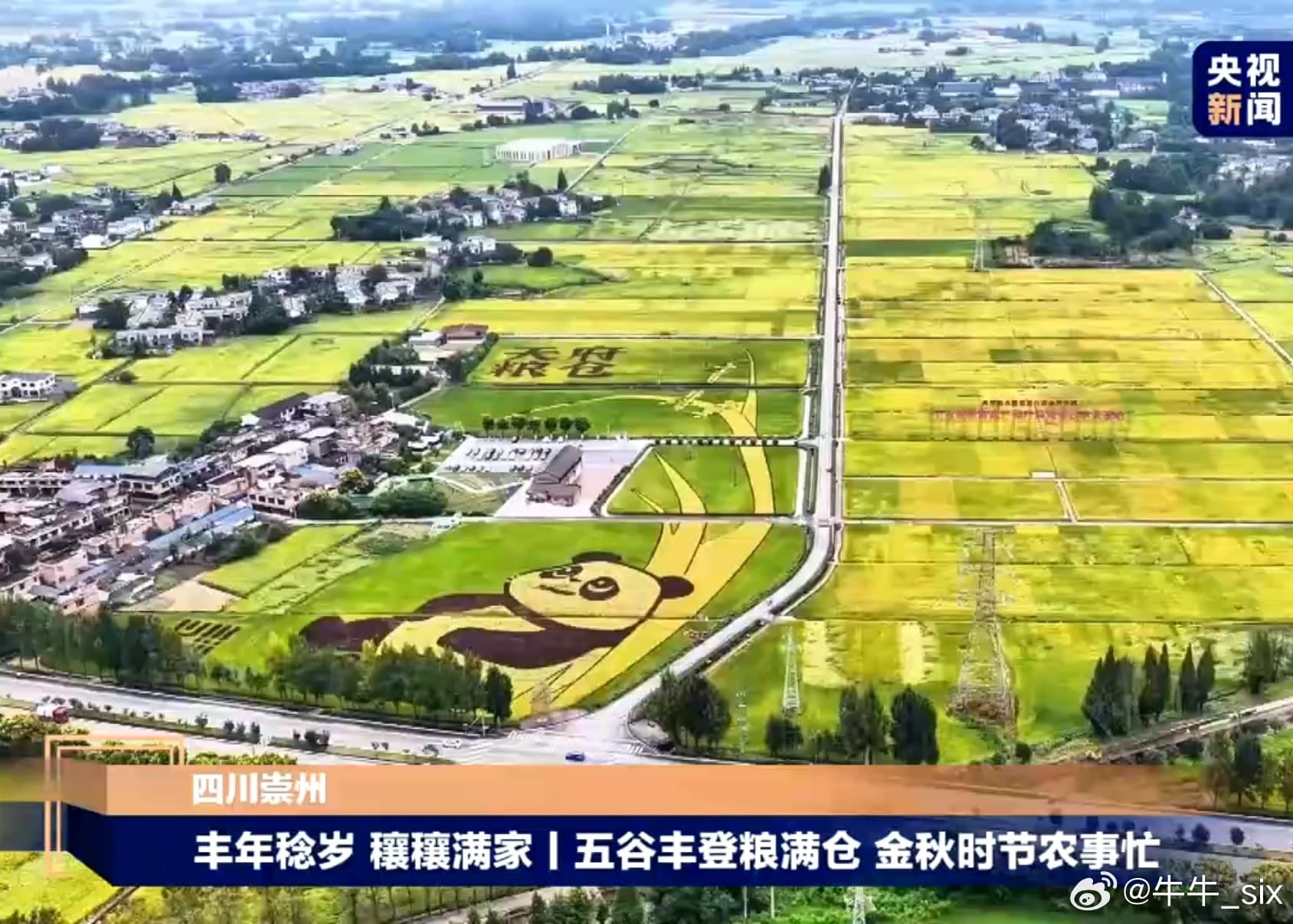
Weibo Celebrates Autumn Harvest as China’s Fields Become the Nation’s Most Beautiful Canvas
By Trending on Weibo
News & Politics
15 Sept 2025
China Enacts First Comprehensive Rental Regulations to Legalize and Stabilize the Rental Market
By Trending on Weibo
News & Politics
15 Sept 2025
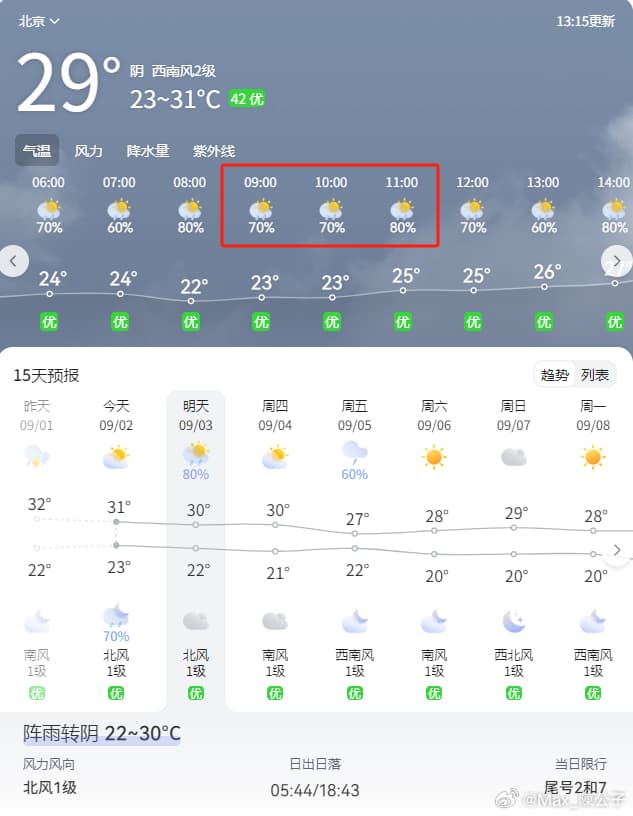
Beijing’s Weather Emerges as a Barometer for China’s Climate Policies and Public Life
By Trending on Weibo
News & Politics
13 Sept 2025