Actress Sun Yi’s “Marriage Brings More Happiness Than Money” Comment Ignites Nationwide Debate on Love, Success and Women’s Roles in China.
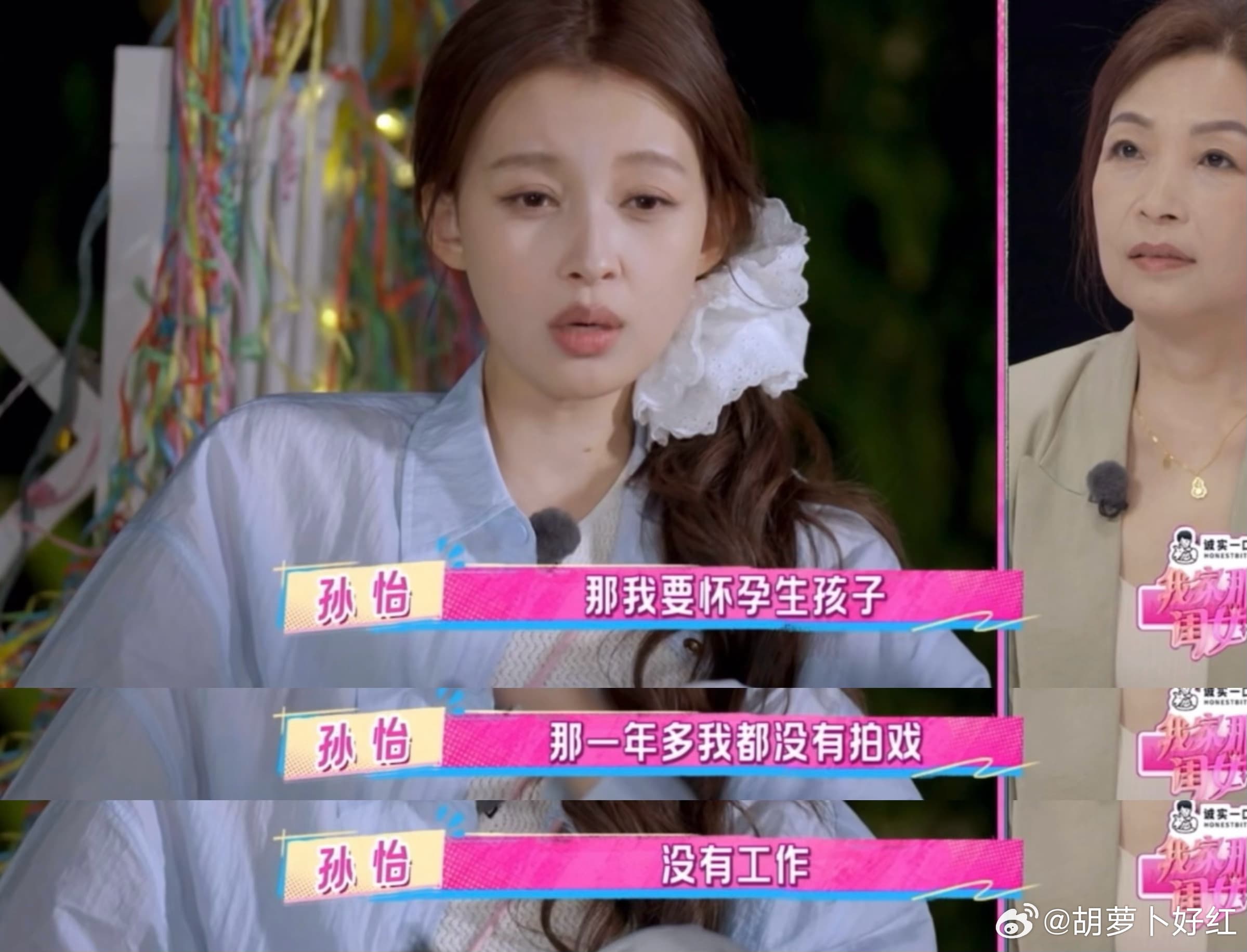
In a candid moment on the Chinese variety programme “My Drama Partner” ( 我的剧综搭子 ), actress Sun Yi—known for her roles in popular dramas and for a high‑profile marriage to fellow actor Dong Zijian—made a statement that quickly lit up the country’s biggest social‑media platform. “The happiness I gained from marriage far exceeds the happiness I get from earning money,” she said, prompting the hashtag #孙怡结婚得到的要比我赚钱幸福得多 to trend on Weibo for several days.
18 August 2025
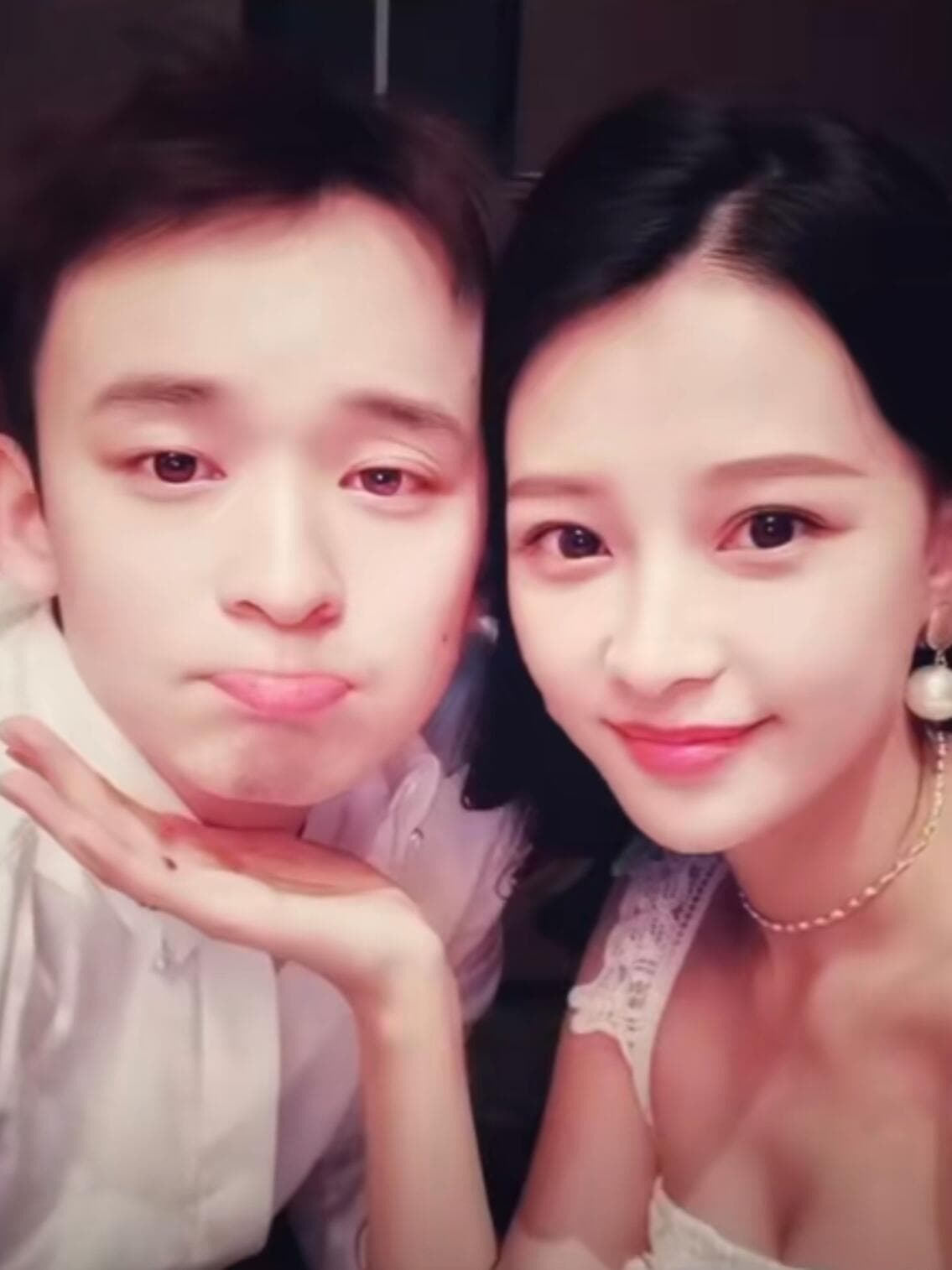
Sun Yi’s remarks arrived at a crossroads in her personal life. The 31‑year‑old had married Dong Zijian in 2017, a union that produced a daughter the following year and was celebrated as a fairy‑tale romance by fans and tabloids alike. Yet the couple announced their divorce in early 2023, a development that, in China’s celebrity‑obsessed media landscape, usually sparks a wave of speculation about broken hearts and financial settlements. By contrast, Sun’s recent comment struck a different note: she emphasized emotional fulfilment over the material rewards of a soaring career, even as she admitted taking a year and a half off the set after the birth of her child.
The public reaction was anything but uniform. Within hours of the broadcast, Weibo users were posting everything from supportive affirmations—“It’s beautiful to see a woman value love over money”—to skeptical critiques that accused Sun of glorifying a traditional, perhaps outdated, model of female happiness. The trending hashtag captured thousands of comments, memes, and debate threads, illustrating how a single line can become a cultural flashpoint in an environment where celebrity statements are dissected for both personal insight and broader social meaning.
Beyond the immediate buzz, Sun Yi’s observation touches life goal, her admission more joy than a lucrative career invites a re of what constitutes a “good life.” The conversation aligns with a growing global discourse on mental health and emotional well‑being, where scholars and influencers alike stress that happiness cannot be measured solely by earnings.
For women, the statement carries added weight. Traditional expectations in many East Asian cultures still position marriage and family as the cornerstone of a woman’s identity. Some observers interpreted Sun’s words as a reaffirmation of those norms, suggesting that even a successful, financially independent actress ultimately finds her fulfilment in the domestic sphere. Others argued that her honesty simply reflects a personal priority, separate from any prescriptive social script, and that a woman’s right to define happiness on her own terms—whether that includes marriage, career, or both—remains a vital, ongoing conversation.
The backdrop of Sun’s recent divorce adds a layer of complexity. If marriage offered profound emotional rewards, why did the partnership dissolve? While Sun has not elaborated on the specifics, the fact that she can speak openly about the happiness she once experienced without descending into self‑pity or blame signals a shift in how Chinese celebrities handle personal setbacks. Rather than framing divorce as a scandal, the narrative is gradually moving toward one of personal growth and the pursuit of well‑being, even when a relationship ends.
Within the entertainment industry, Sun Yi’s comment may also influence how public relations teams craft their messages for high‑profile stars. Traditionally, PR strategies for divorced celebrities in China have leaned heavily on protecting image—emphasising career achievements or downplaying personal life. By foregrounding emotional satisfaction over financial or professional metrics, Sun has rebranded herself as a relatable figure who values life’s intangible gifts. That approach could resonate with younger audiences, many of whom are navigating grueling work schedules while yearning for genuine connection and stability.
The discussion also brushes against subtler cultural and political undercurrents. The Chinese government has, in recent years, promoted family values as a pillar of social stability. While Sun’s statement emerges from a personal anecdote rather than an official campaign, it unintentionally dovetails with the state’s emphasis on familial harmony. At the same time, by implicitly contrasting happiness with “making money,” she hints at a quiet critique of hyper‑capitalist pressures that dominate urban life—a sentiment that, though not overt, finds sympathetic ears among those weary of relentless competition.
For non‑Mandarin speakers trying to grasp the nuance of the viral phrase, several translations circulate online. The most straightforward rendering is: “Sun Yi is much happier getting married than I am making money.” Others capture the sentiment with slightly different shades: “Sun Yi gained more happiness from marriage than I did from earning money,” or “Sun Yi’s happiness from marriage far exceeds my happiness from making money.” Each version preserves the core idea—an admission that emotional fulfilment can outweigh material gain.
In the end, Sun Yi’s off‑hand comment has become more than a soundbite. It has sparked a nation‑wide dialogue about the metrics of success, the evolving role of women, and the balance between personal joy and professional ambition. Whether the conversation will translate into lasting shifts in societal expectations remains to be seen, but for now, it has given a glimpse into how a single celebrity’s candor can ripple through a culture that is constantly renegotiating what it means to live a happy, successful life.
Share this article
Related Articles
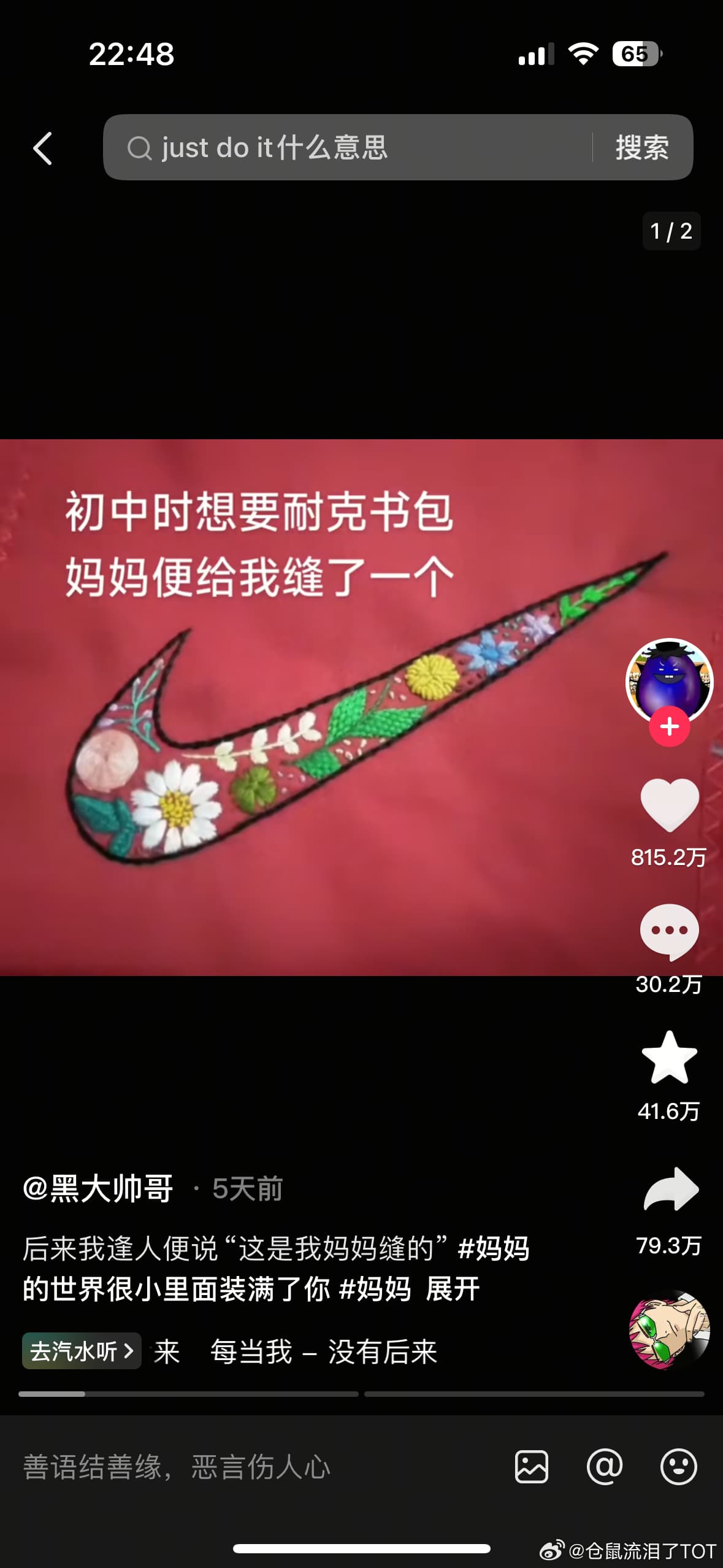
Mother’s Hand‑Stitched Nike Backpack Goes Viral, Showcasing Love, Craftsmanship and Brand Authenticity in China
By Trending on Weibo
Culture
15 Sept 2025
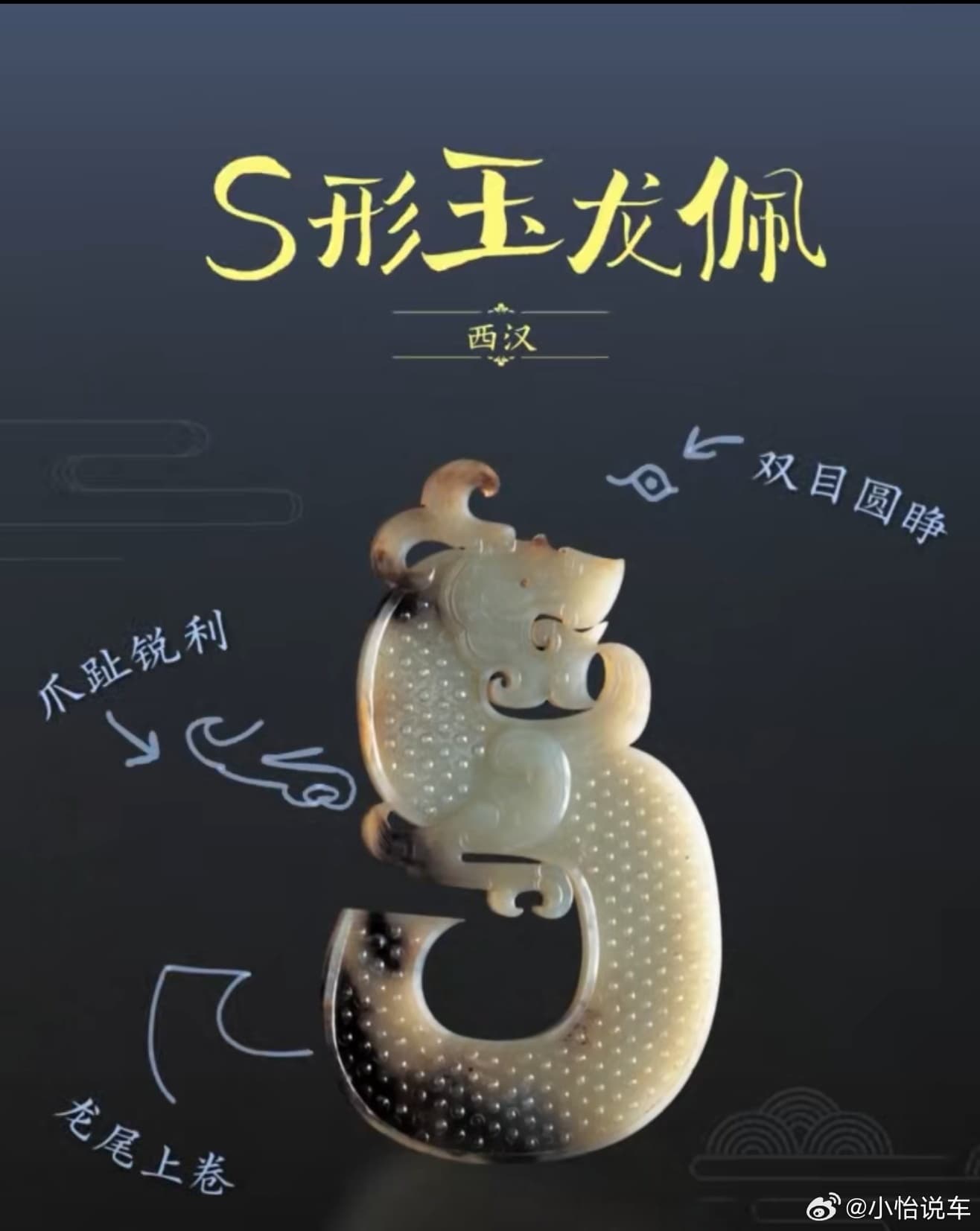
China’s “National Treasure Highlights” Campaign Turns Heritage Into Global Soft‑Power and Consumer Brand】
By Trending on Weibo
Culture
13 Sept 2025
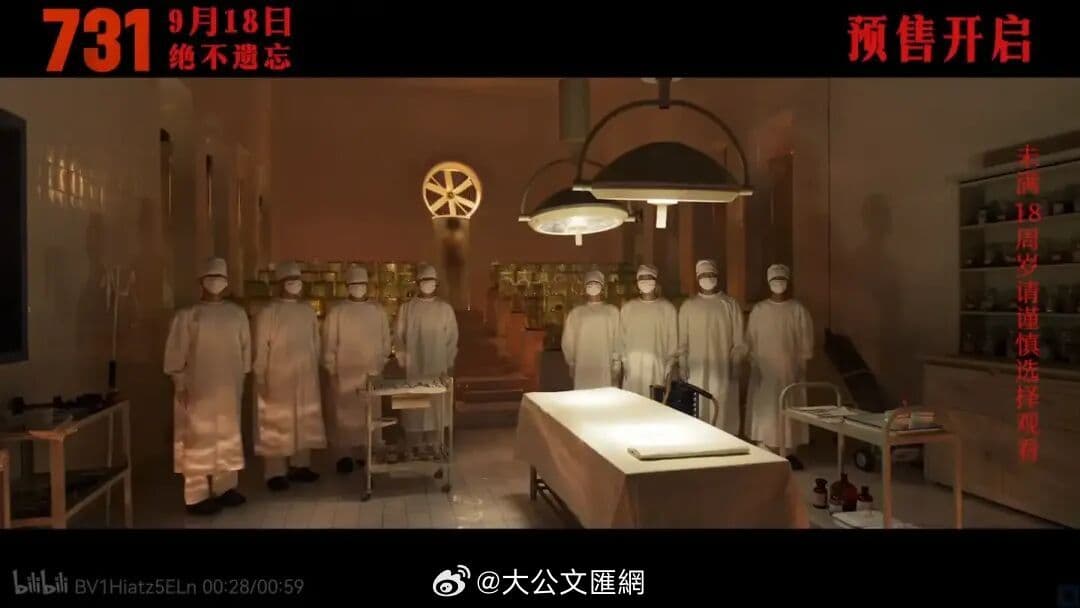
Mystery Meme: Unraveling China’s “Dissected 14 People, Crumbled by a Letter” Phenomenon】
By Trending on Weibo
Culture
8 Sept 2025
Chinese Netizens Turn Blood Moon Into Viral “Too Abstract” Meme
By Trending on Weibo
Culture
8 Sept 2025
From Song Dynasty Verse to 2024 Drama: The Enduring Echo of “Rain‑Laden Bells” in Chinese Culture
By Trending on Weibo
Culture
8 Sept 2025