Actress Yu Shuxin’s Father Sues Financial Blogger for Defamation in High‑Profile Legal Clash.
A dispute that began on a Chinese video‑sharing platform has erupted into a high‑profile legal clash, pitting a well‑known actress’s family against a self‑styled financial watchdog. The drama centres on Yu Shuxin, a 1990s‑born pop star and actress who has become one of China’s most followed “post‑95” celebrities, and her father, Yu Pijie, a businessman whose company has been thrust into the spotlight amid allegations of financial impropriety.
29 August 2025
The controversy started when a financial blogger known as “Lao Pan Caishang” released a series of videos under the title “家里有矿” (literally “My Family Has a Mine”). In the clips, Lao Pan cited publicly available documents and claimed that Yu Pijie’s firm was subject to an “abnormal tax rate,” a red flag that, in his view, could indicate tax evasion or even fabricated financial data. The blogger also hinted that the Yu family might be involved in usurious lending, a charge that carries serious legal and moral implications in China. Lao Pan’s videos quickly went viral, prompting a flood of comments on Weibo and other social media platforms.
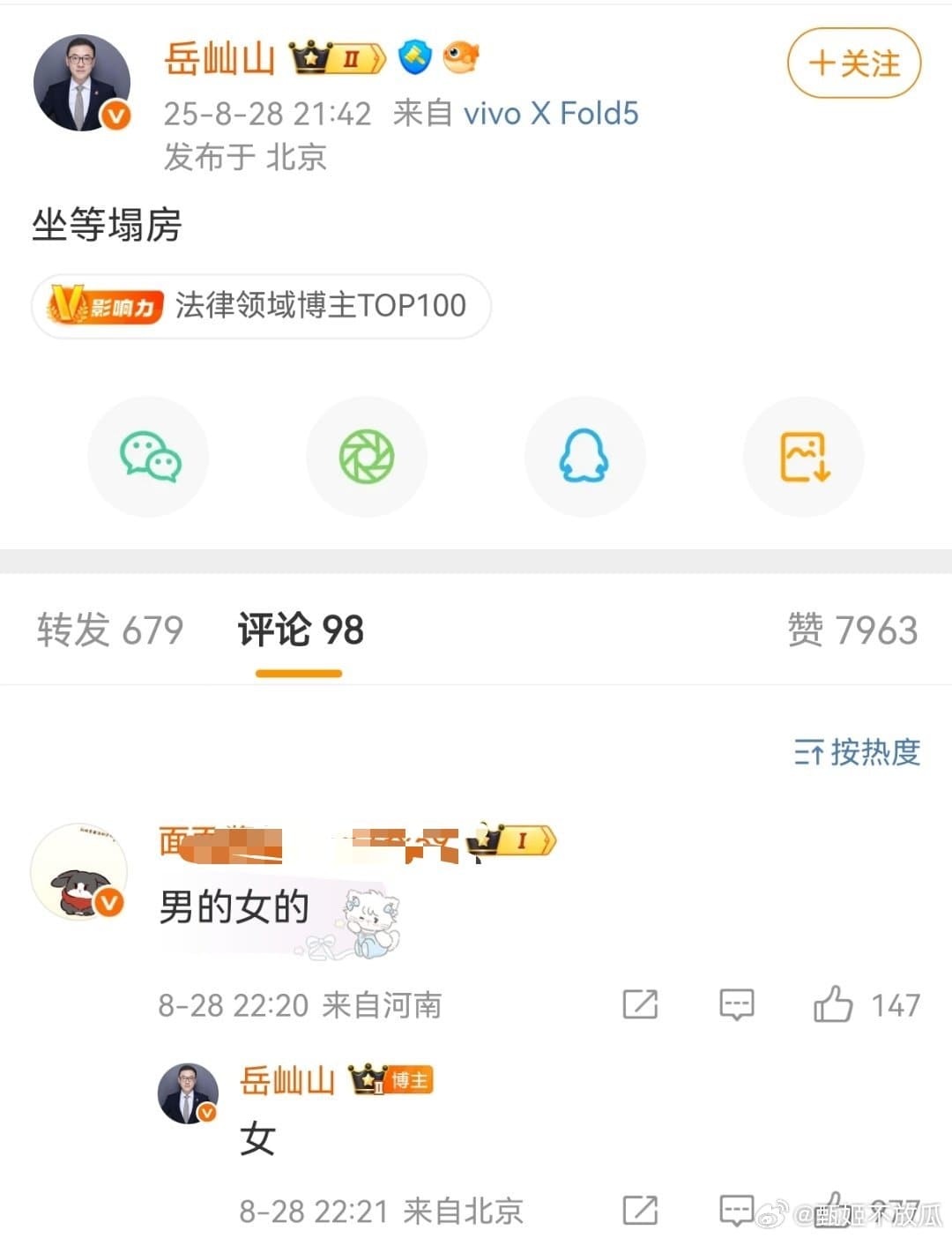
In response, Yu Pijie issued a strongly worded statement through the Shanghai‑based law firm Taihe & Tai, announcing that he had retained the firm to protect his legitimate rights and interests. He accused Lao Pan of “maliciously smearing” his reputation, insisting that the blogger’s claims were “contrary to facts” and had already disrupted his family’s daily life and business operations. The lawyer for Yu Pijie, Yue Shenshan, has been active on Weibo, engaging in lengthy exchanges with netizens who identified themselves as “Yu fans” and defending the decision to pursue a defamation lawsuit.
The legal move has sparked a polarized debate online. Some observers argue that suing for defamation may be an attempt to silence legitimate scrutiny, noting that Lao Pan’s allegations were rooted in data that is already in the public domain. These voices contend that a defamation suit implies the statements are false, and that the proper response should be a thorough audit rather than courtroom intimidation. Others rally behind Yu Pijie and his daughter, characterising Lao Pan’s videos as baseless attacks on a “pure and beautiful” public figure and warning that “capital” is trying to blacken her name. The debate has also revived discussion about the broader issue of how Chinese citizens can hold powerful individuals accountable when the information they need is technically public but still vulnerable to censorship.
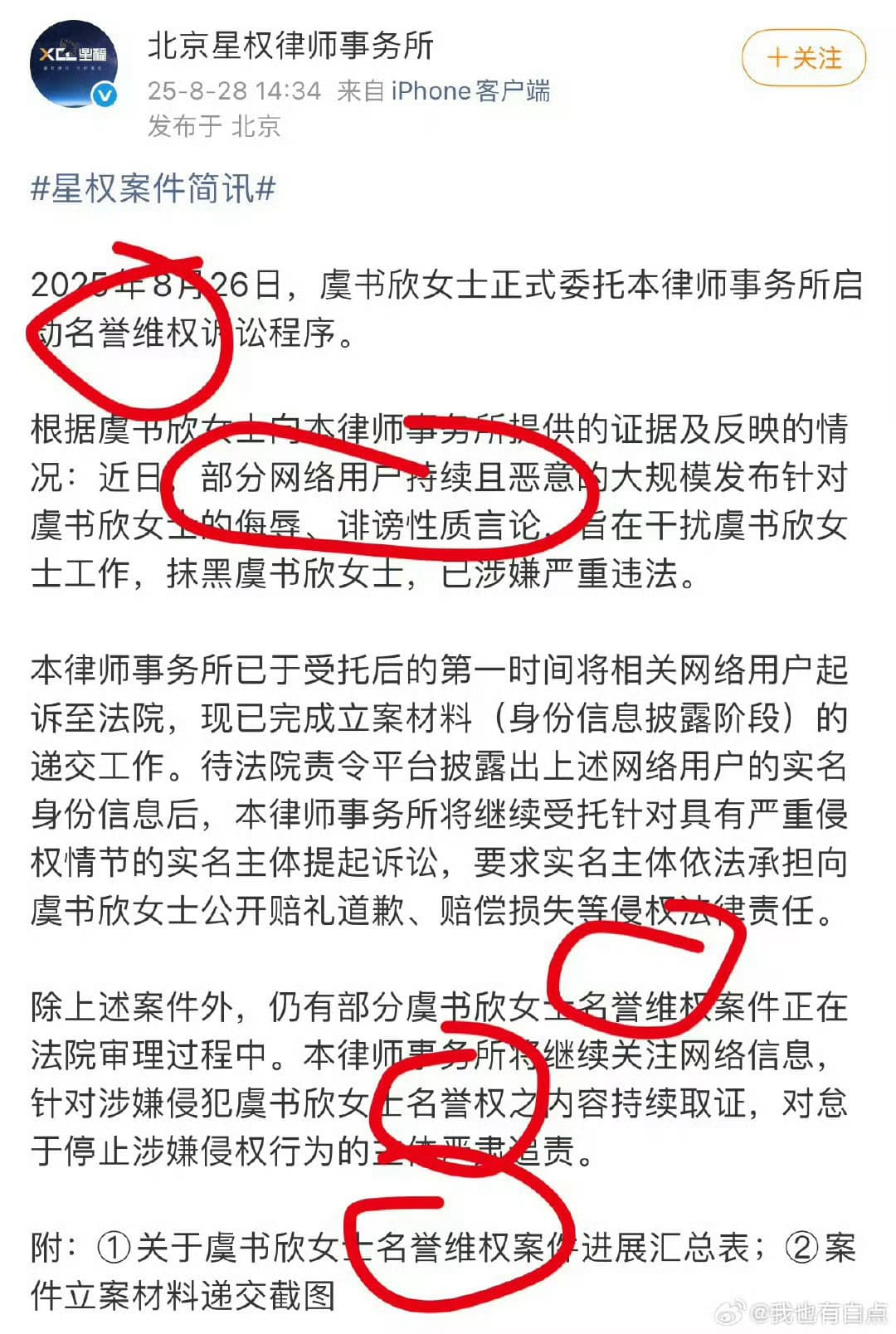
The case is still in its early stages. On August 28, Taihe & Tai confirmed that it had formally filed the defamation action and would seek damages for the alleged harm to Yu Pijie’s reputation. No court ruling has been issued yet, and both sides poised for a protracted legal battle. Meanwhile, the social‑media firestorm shows no signs of cooling, with users continuing to dissect the blogger’s evidence, question the integrity of the Yu family’s business dealings and weigh the merits of free‑speech protections versus personal reputation in China’s tightly regulated media environment.
What began as a series of investigative videos has now become a barometer for how fame, finance and the law intersect in a digital age. As the lawsuit proceeds, observers will be watching not only for the outcome of this specific dispute, but also for the precedent it may set for future clashes between public personalities, independent commentators and the judicial system in a country where the line between personal brand and business venture is increasingly blurred.