China Amplifies Xi’s Victory‑Day Message with “Golden Phrases” Campaign】
In recent days a new slogan has been circulating through Chinese state media and social‑media feeds: “总书记重要讲话,金句来了!”, a line that roughly translates as “Key quotes from the General Secretary’s important speech are here.” The phrase, which first appeared as a headline on Xinhua News Agency’s platforms, is being used to spotlight a handful of memorably phrased excerpts – so‑called “golden phrases” – from speeches by Xi Jinping, the General Secretary of the Communist Party of China.

4 September 2025
The latest surge of interest is tied to the anniversary events surrounding “Nine‑Three Victory Day,” the name given in China to the August 15, 1945 surrender of Japan that ended the country’s long war of resistance against Japanese aggression. This year marks the 80th anniversary of that victory, and the government has turned the commemoration into a high‑profile political occasion. On September 3, 2025, Xi delivered a speech at a national conference that revisited the historic struggle, praised the sacrifices of the Chinese people, and linked the memory of the anti‑fascist war to the Party’s current goal of “the great rejuvenation of the Chinese nation.”
Xinhua’s articles, posted on September 3 and repeated through the following day, extracted several lines from the address and presented them as “golden phrases.” One of the highlighted quotes reads, “中华民族伟大复兴势不可挡!人类和平与发展的崇高事业必将胜利!” – “The great rejuvenation of the Chinese nation is unstoppable; the lofty cause of human peace and development will surely triumph.” By framing these passages as compact, shareable sound bites, the news agency hopes to make the political messaging more memorable for a public already primed by the anniversary’s patriotic fervour.
The strategy is not new. Since Xi rose to the Party’s top post in 2012, officials have routinely compiled andublished. In 2014 a reader titled “习近平总书记系列重要讲话读本” was released, and similar “golden phrase” collections have accompanied speeches at everything from the Central Commission for Discipline Inspection’s plenary sessions to talks on artificial intelligence and the “Global South” at the BRICS+ leaders’ dialogue. The practice serves several purposes: it reinforces the Party’s ideological line, provides clear talking points for media workers, and supplies ready‑made content for the ever‑busy feeds of Weibo, WeChat and other platforms.
The recent rollout also signals a coordinated push by the state’s propaganda apparatus. Xinhua’s headline has been mirrored by People’s Daily Online, the editorial committee that oversees the compilation of Xi’s remarks, and numerous local news outlets. Within hours of the speech’s broadcast, the “golden phrases” were repackaged into short videos, infographics and bilingual text posts that could be easily shared. Industry‑specific outlets have even inserted snippets of Xi’s broader remarks into articles on satellite internet and other high‑tech sectors, underscoring the Party’s intent to weave ideological guidance into the fabric of everyday economic reporting.
The phrase itself, however, has proved tricky to pin down for English speakers. While a literal translation – “Golden phrases from the General Secretary’s important speeches are here!” – captures the literal meaning, most English‑language reports have opted for smoother expressions such as “Key quotes from General Secretary Xi Jinping’s speech” or “Highlights from Xi’s address.” The choice of wording reflects a broader challenge: the Chinese media’s propensity to brand any memorable line from a senior leader as a “golden phrase” does not have a direct analogue in English journalism, where quotations are usually presented without a special label.
Beyond Xi, the articles reference a lineage of Party leaders whose own statements have been archived in similar fashion. Former President Hu Jintao, for instance, is noted for his 2009 remarks at the UN Climate Change Summit, a reminder that the practice of preserving “golden” statements stretches back at least a decade. The compilation process involves a host of officials, from the editorial committee’s director Yuan Guojie to deputy directors like Ye Xiangrong and Wang Bo, who shepherd the selection and publication of the excerpts.
Public reaction to the latest “golden phrases” appears muted in the limited reporting available. Most commentary comes from official channels, and any substantive sentiment on platforms such as Weibo would require a deeper, data‑driven analysis. What is clear, however, is that the Party continues to rely on the rhythmic cadence of these curated sound bites to reinforce its narrative. By tying the memory of the 1945 victory to contemporary ambitions – a strong, technologically advanced nation playing a leading role in global peace and development – the leadership seeks to anchor its legitimacy in a mix of historic triumph and forward‑looking optimism.
As September 4 unfolds, the “golden phrase” campaign shows no sign of waning. Whether the public embraces these distilled statements or simply scrolls past them, the approach offers a window into how modern Chinese governance marries traditional political messaging with the immediacy of digital media. In a world where a single line can be retweeted thousands of times within minutes, the Party’s emphasis on pithy, resonant wording underscores a timeless political truth: what is said, and how it is packaged, can be as powerful as what is done.
Share this article
Related Articles
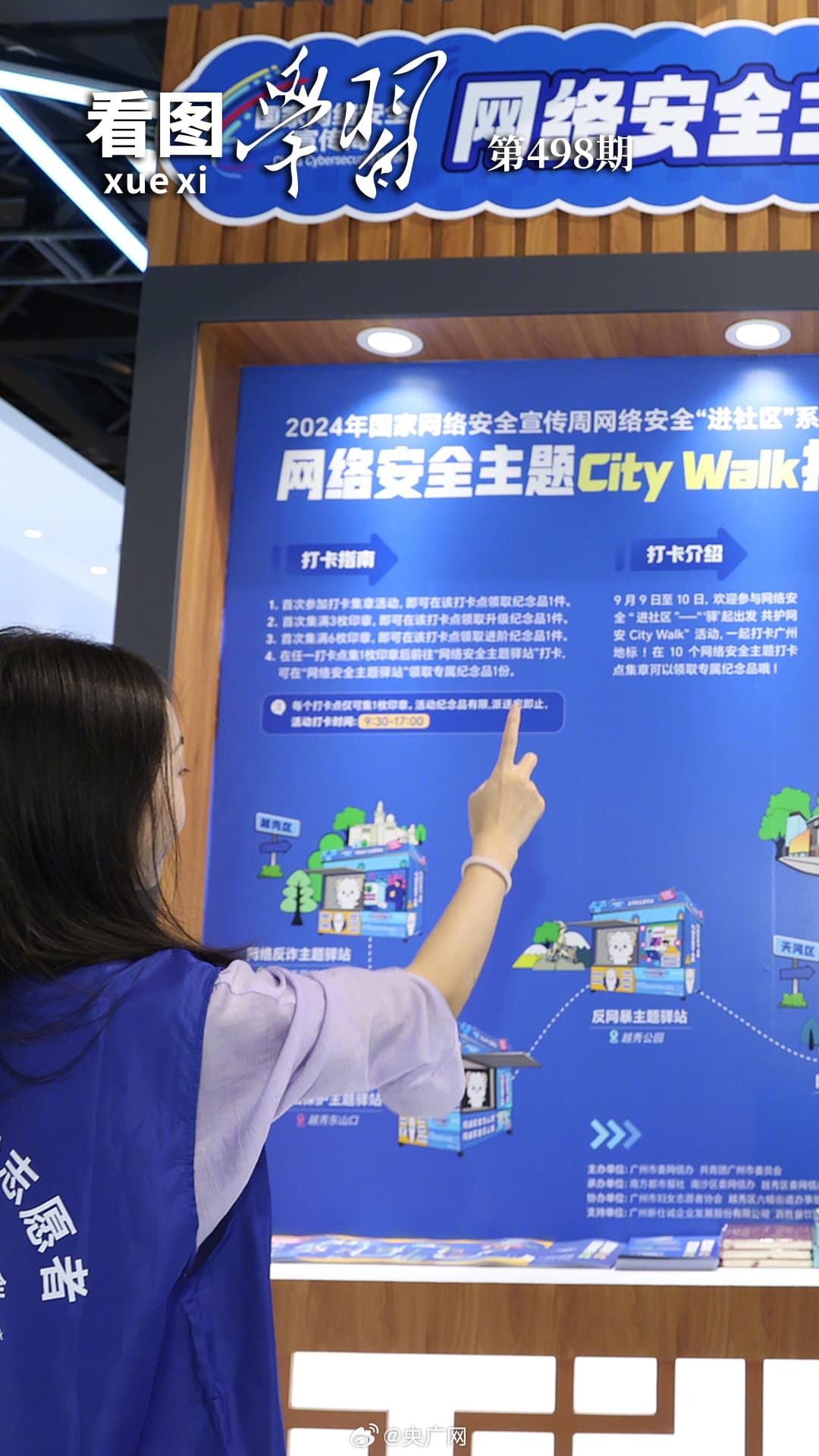
Xi Jinping Elevates Cybersecurity to Core National‑Security Pillar, Driving China’s Quest for a Cyber Superpower
By Trending on Weibo
News & Politics
15 Sept 2025
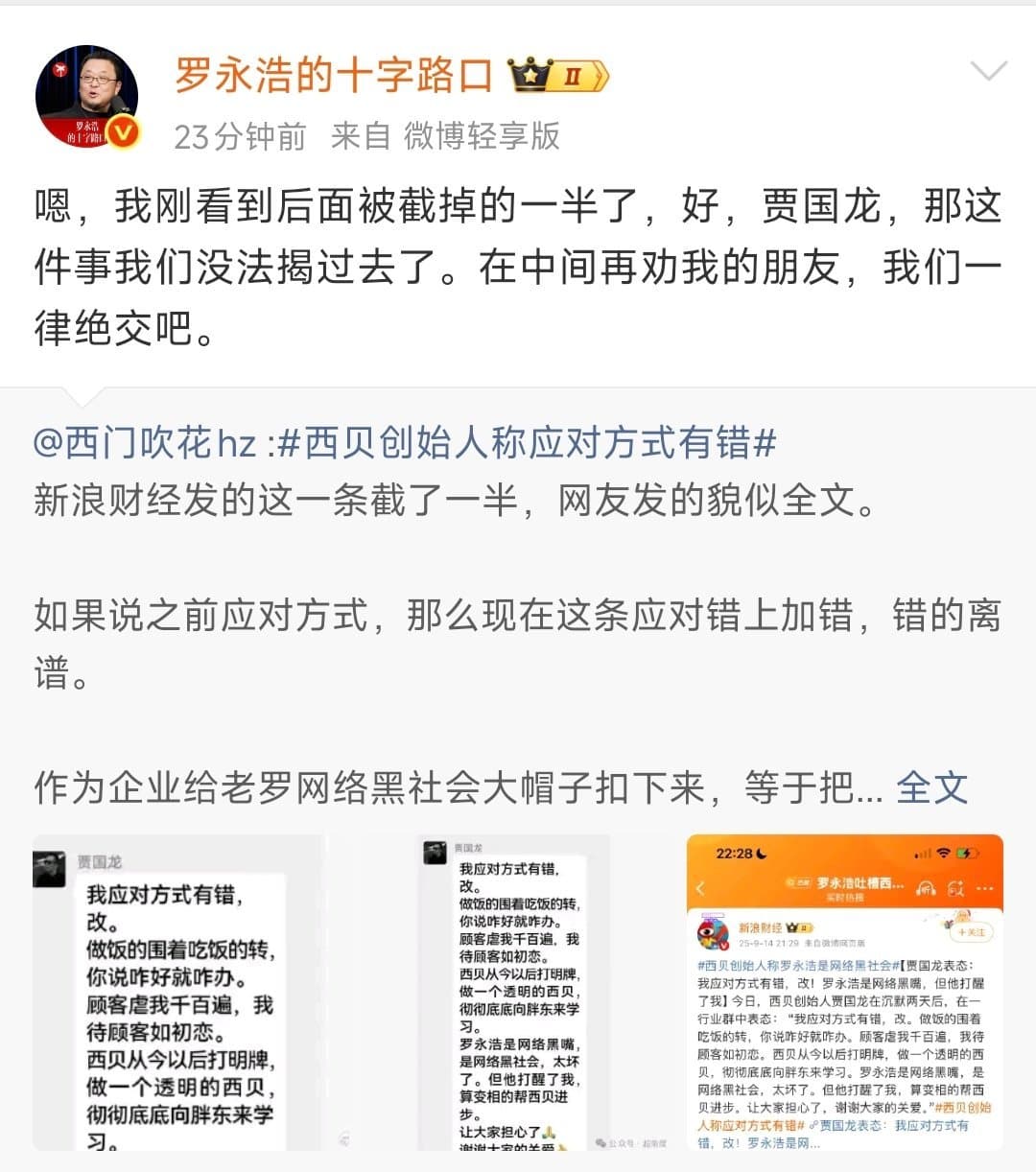
Luo Yonghao vs. Xibei: Celebrity Entrepreneur Sparks Media Storm Over Pre‑Made Dishes and Calls for Transparency
By Trending on Weibo
News & Politics
15 Sept 2025
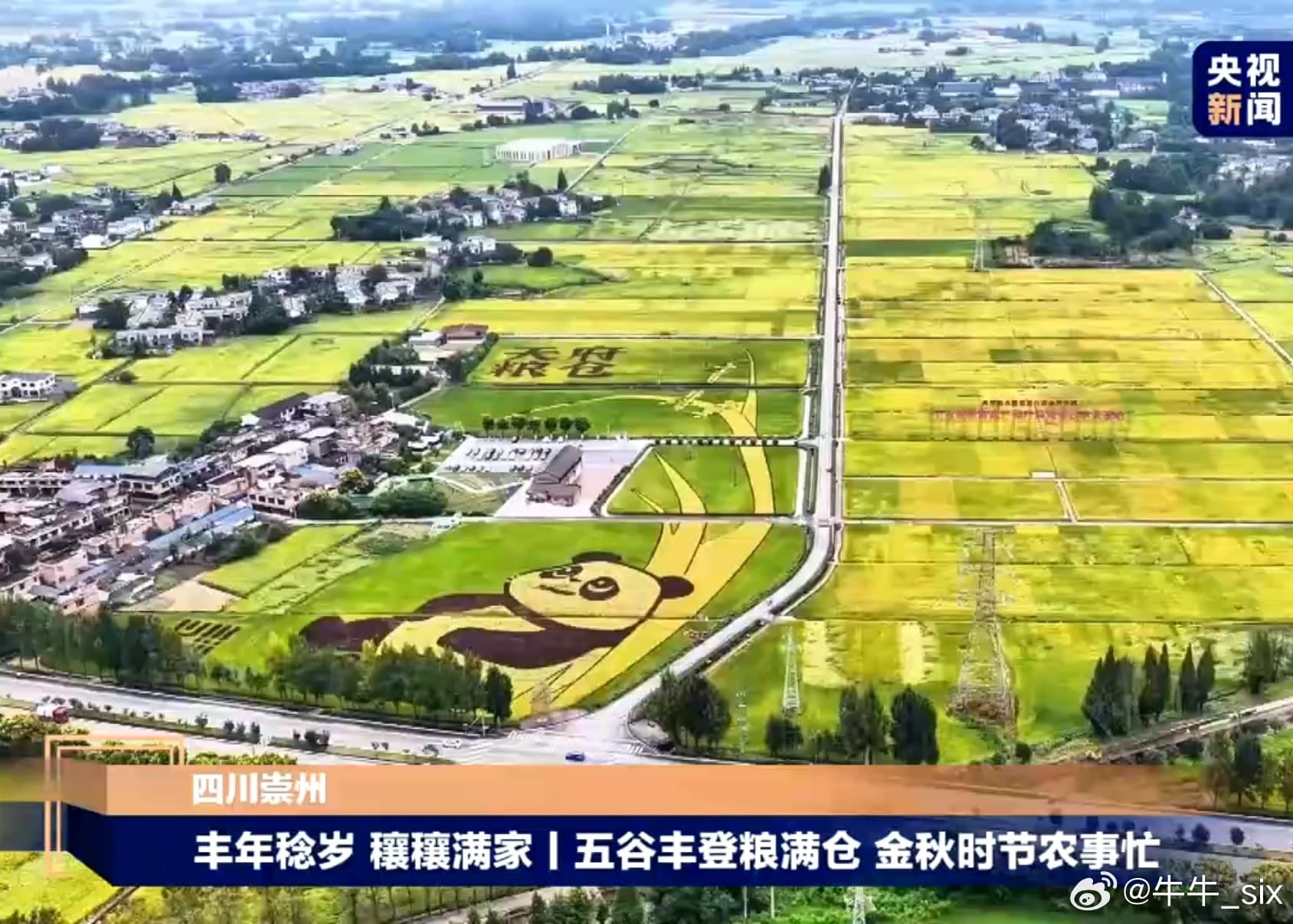
Weibo Celebrates Autumn Harvest as China’s Fields Become the Nation’s Most Beautiful Canvas
By Trending on Weibo
News & Politics
15 Sept 2025
China Enacts First Comprehensive Rental Regulations to Legalize and Stabilize the Rental Market
By Trending on Weibo
News & Politics
15 Sept 2025
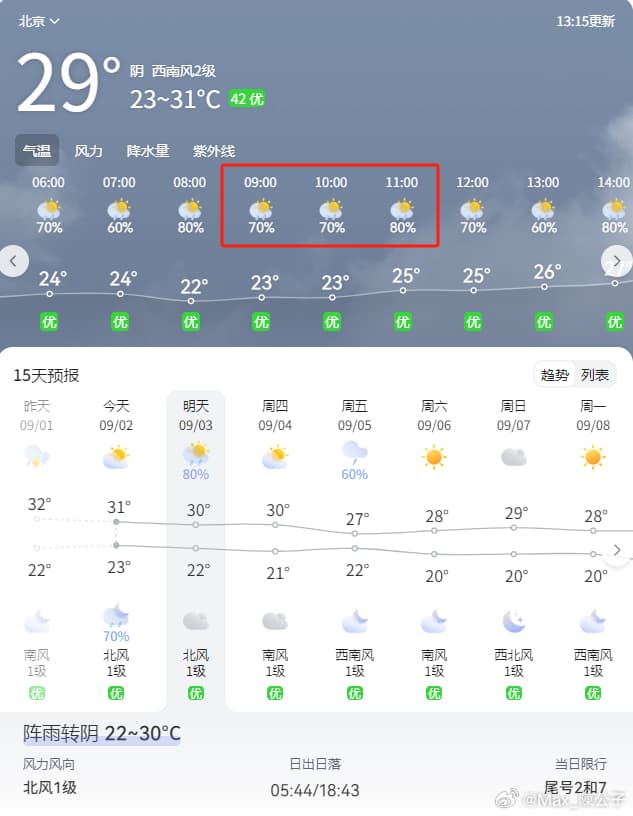
Beijing’s Weather Emerges as a Barometer for China’s Climate Policies and Public Life
By Trending on Weibo
News & Politics
13 Sept 2025