Chinese Hospital Reaches Settlement with Family of Student Who Died from Antibiotic Allergy
A recent incident in Hubei, China has sparked widespread concern after a 19-year-old female student, Tao Lan, tragically died due to an allergic reaction to ceftriaxone, a type of cephalosporin antibiotic. Following the student's untimely death, the hospital's administration has issued an apology to the family, acknowledging that there were lapses in the hospital's management. The doctor involved in the case has been suspended from duty. After negotiations, the hospital and the family have reached a settlement agreement, bringing a measure of closure to the incident.
9 May 2025
The event in question involves a female student who died after being administered cephalosporin, despite having a history of allergic reactions to certain medications. The reasons for the event include potential hospital management lapses and the failure of medical staff to timely respond to the patient's allergic reaction. Regulatory authorities are still investigating the matter. The hospital claims that skin tests are not routinely required before administering cephalosporin, and the patient's history of an allergic reaction to levofloxacin does not necessarily imply an allergy to cephalosporin. However, the fact that the patient went into shock just four minutes after the administration of the drug and medical staff did not immediately attend to her is acknowledged as a point of hospital responsibility.
The settlement between the family and the hospital includes an apology and compensation, addressing the family's demands without prolonging the legal process. This step indicates an acknowledgment of some level of responsibility by the hospital. Despite the settlement, regulatory bodies are continuing their investigation into the matter, implying that while the immediate concerns of the family have been addressed, there is still a need to fully understand what happened and to assign responsibility where it is due.
The incident has highlighted issues with medical disputes and the safety of medical treatments, sparking significant social concern and discussion. The public is increasingly concerned about these matters, pushing for improvements in service quality and safety standards within the healthcare industry. This event is likely to affect how the public views healthcare, potentially leading to increased scrutiny of hospitals and medical practices, and higher expectations for transparency and accountability in medical treatment and care.
In response to the public outcry, there may be calls for reforms or improvements in medical safety protocols, patient rights, and the resolution of medical disputes. This could involve changes in hospital policies, government regulations, or public education campaigns. Social media platforms play a crucial role in amplifying public concerns and facilitating discussions about healthcare issues. The widespread attention to this case underscores the power of public opinion in driving change within the healthcare sector.
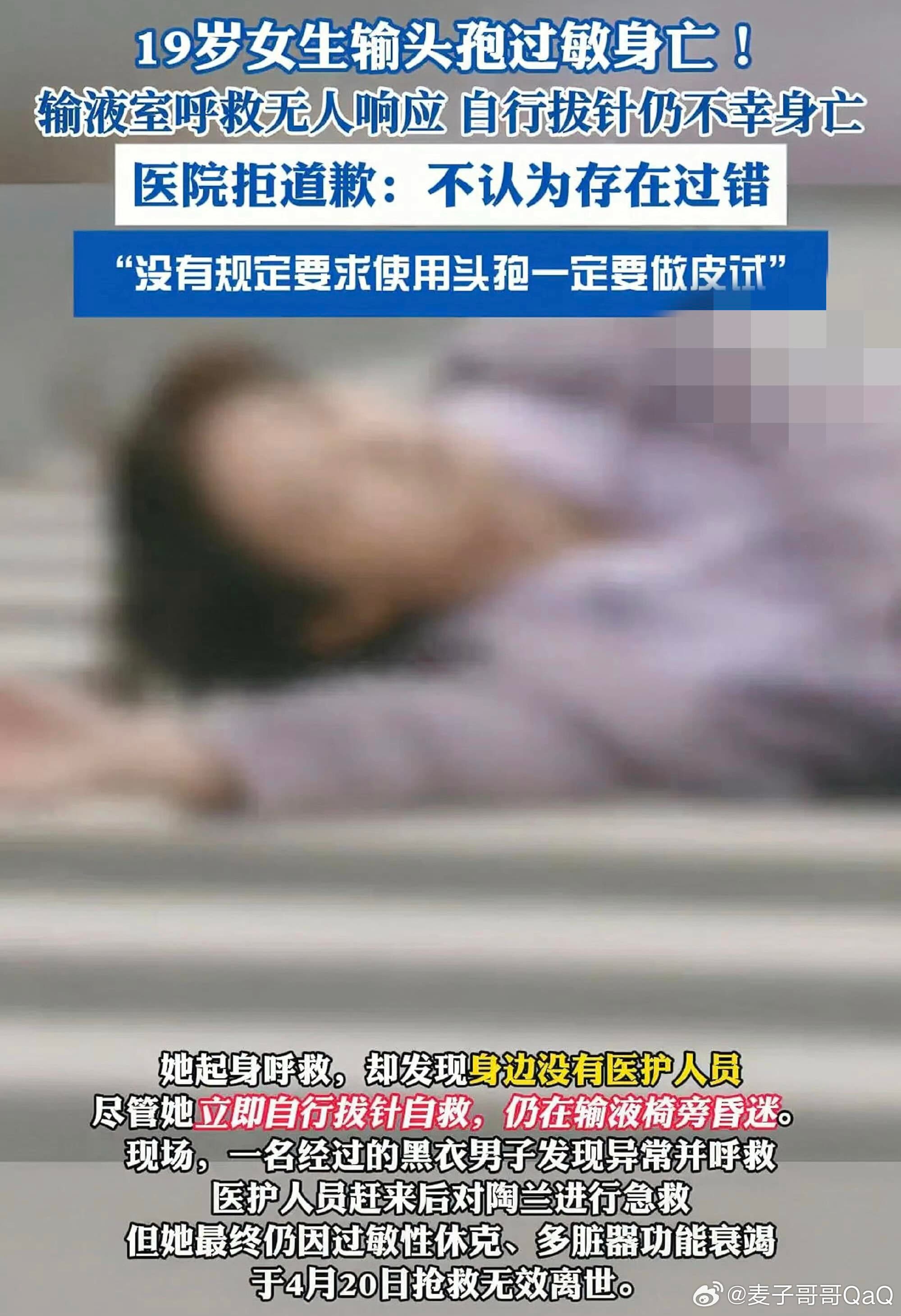
The event has triggered a national conversation about the need for enhanced medical safety, better conflict resolution mechanisms, and increased transparency within healthcare institutions. As a result, there is a heightened sense of urgency to address these concerns through policy reforms, improved healthcare practices, and enhanced public awareness campaigns. Ultimately, the outcome of this incident may lead to positive changes in the healthcare system, driven by the collective voice of the public and the media's attention to these critical issues.
Comments


Share this article
Related Articles
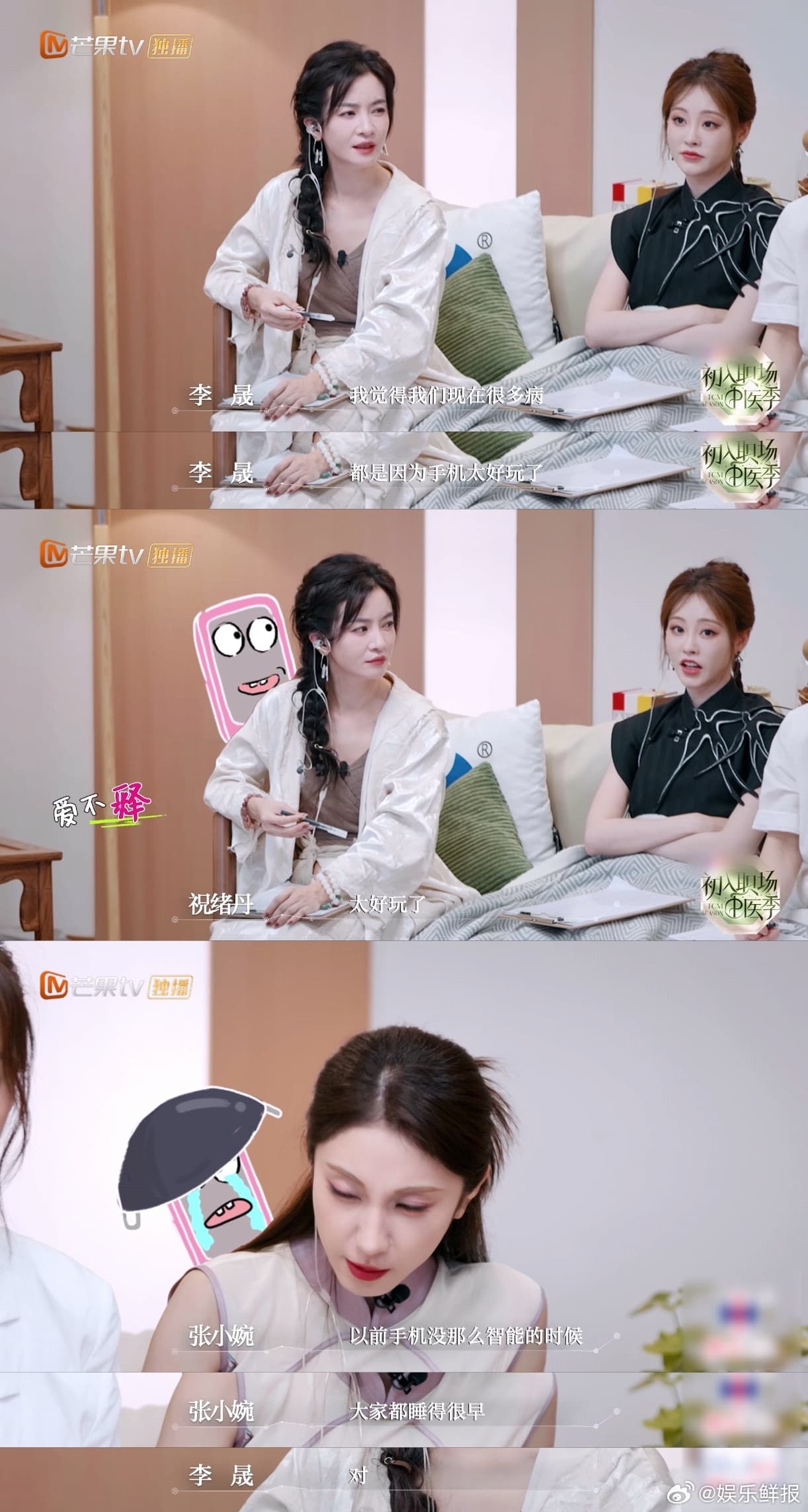
China’s “Ugly Hour” Push: Viral Hashtag Sparks Nationwide Call for 1‑3 a.m. Bedtimes and New Sleep‑Health Policies
By Trending on Weibo
Health
15 Sept 2025

Actress Tang Yan Named First Infant Respiratory Health Ambassador in China’s Nationwide “Good Breathing Protection” Campaign
By Trending on Weibo
Health
13 Sept 2025
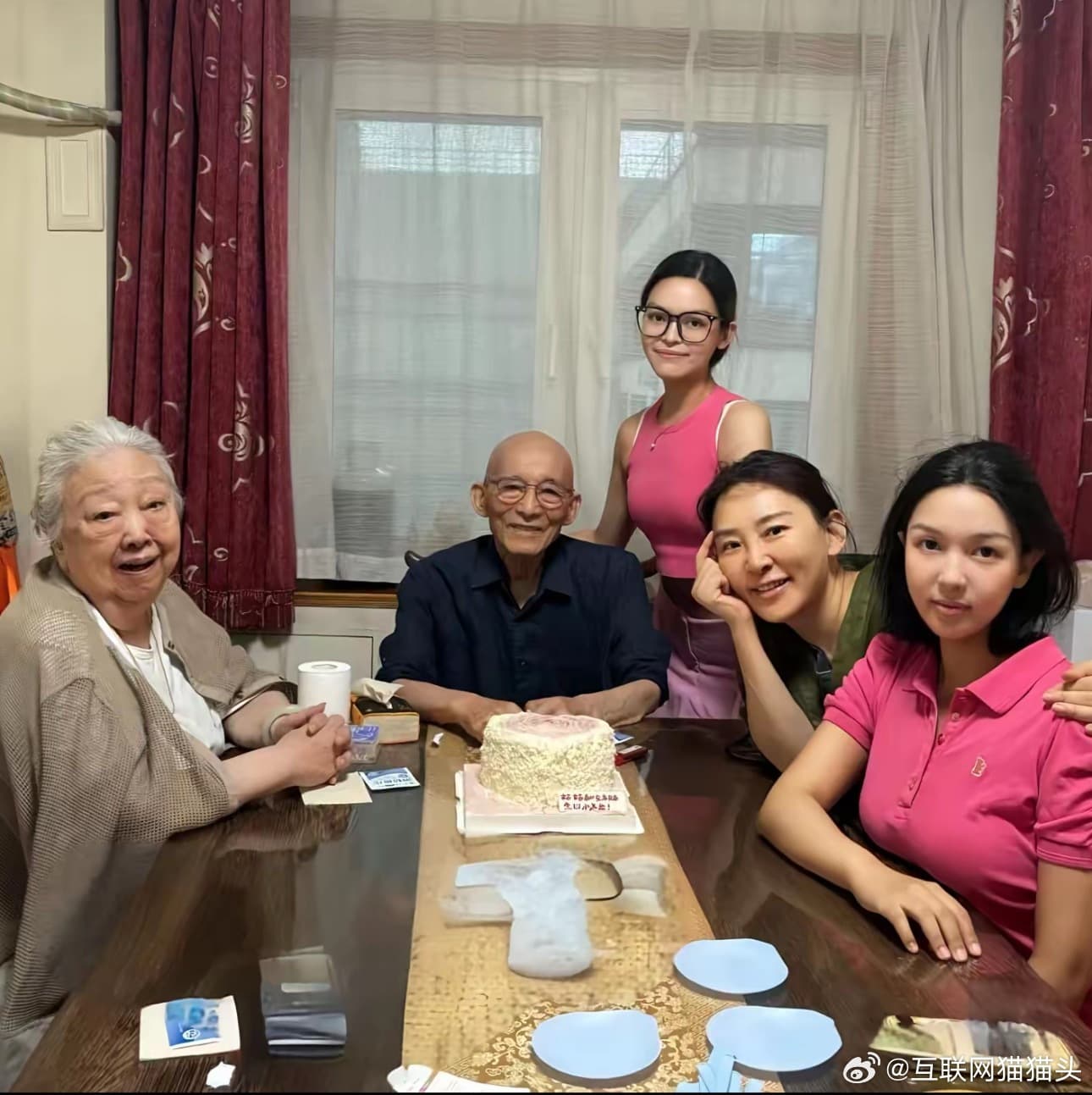
Veteran Chinese Actor You Benchang’s Nursing‑Home Move Signals a Shift in China’s Attitude Toward Elder Care.
By Trending on Weibo
Health
9 Sept 2025
Viral Chinese Hashtag Raises Awareness of “Chemical Damage” Caused by Severe Diarrhea.
By Trending on Weibo
Health
4 Sept 2025
Viral “No‑Exercise” Weight‑Loss Hacks Sweep China: Seven Simple Habits Spark Debate
By Trending on Weibo
Health
2 Sept 2025