Chinese Students Struggle with High Airfares During Spring Festival
Title: High Airfares Leave Chinese Students Stranded Over Spring Festival
17 February 2024
As Chinese students prepare to return to campus after the extended Spring Festival break, many are struggling to afford the expensive airfares, causing frustration and controversy on office platforms such as Weibo. The situation is particularly dire for those returning to universities from the southern island of Hainan, where airfares have skyrocketed due to the peak travel season.
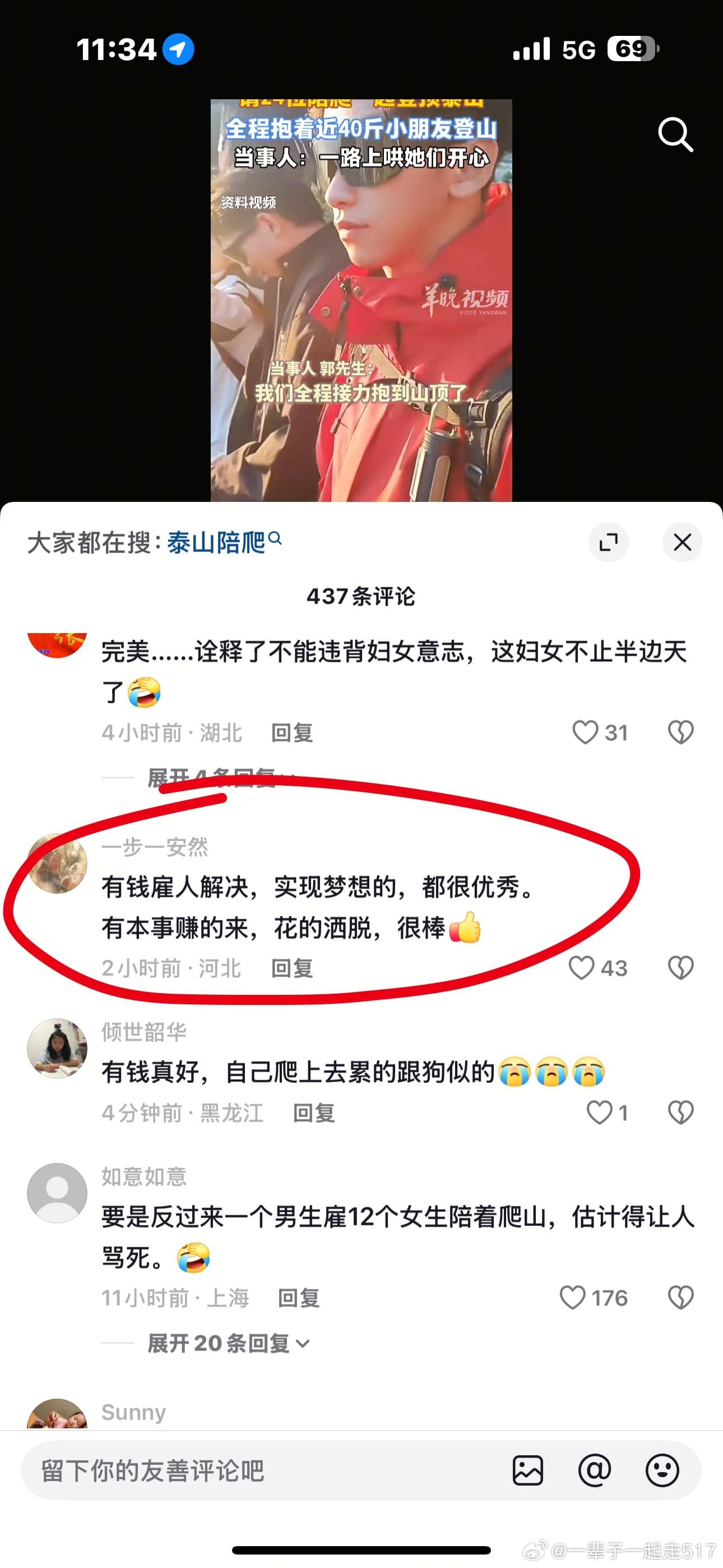
The predicament faced by students returning to school after the holidays has become a hot topic on Weibo. Many netizens question the students about their last-minute preparations to return to campus, with some even questioning the severity of the situation. One user commented, "申请假期延期返校?有实践,有先例吗?大家都说的规定,至于为什么别人能回,私下给你讲讲吧?"
Translated: "Apply for a leave extension to delay returning to school? Do you have evidence or precedence? Everyone talks about the rules, but how can others return? We can discuss in private."
Others argue that students should have anticipated the high demand and correspondingly high prices and should have bought their tickets in advance. A user wrote, "放寒假时间这么长,返校时间又是固定的,为什么不提前、早点买票啊?"
Translated: "The winter break is so long, and the return date is fixed, so why didn't you buy tickets in advance?"
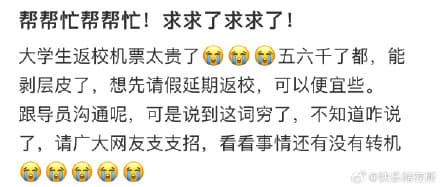
Hainan, a popular tourist destination famed for its tropical climate and beautiful beaches, has become a focal point for the issue. The surge in airfares has left many students from the province unable to afford their return tickets. One Weibo user from Hainan lamented, "大学生返校机票太贵了从五六千了都,能剥层皮了,想先请假延期返校,可以便宜些。跟导员沟通呢,可是说到这词穷了,不知道咋说了…"
Translated: "The return tickets for university students are too expensive, starting from fifty-six thousand (RMB)! It feels like stripping off layers of skin! I wish to delay my return to school, which could be cheaper. But when I talk to my advisor, all I can say is that I'm short on money..."
While some users argue that the high prices are a natural result of market forces, others call for airlines to exercise social responsibility, especially considering the impact of the pandemic on student finances. A Weibo user commented, "这个时间段什么都贵[奥姆] 同情大学生 已阅已阅已阅已阅已阅…"
Translated: "Everything is expensive during this time period. I empathize with university students. Read and read..."
The situation is compounded by the fact that many airlines are sold out for flights around the return-to-school dates, leaving students with little choice but to pay exorbitant prices or miss the start of the semester. A user shared their experience, saying, "我要不是错过了高铁,临时买不到后面的高铁,我也不坐飞机,我也绝对贵了,另外就是我觉得行李托运我很不放心,容易把密码箱刮花…"
Translated: "I wouldn't have had to take a flight if I hadn't missed the earlier high-speed train and if I could find a later one. But I did, and I had to pay for an expensive flight. Plus, I'm really worried about the security of my luggage - especially my locked suitcase."
The Chinese Ministry of Education has not yet issued any official response to the situation. As the situation continues to unfold, many students are left with the difficult choice of paying for expensive tickets or missing the start of the school year, a choice that underlines the broader socio-economic issues faced by many in China.
Despite these challenges, there remains a sense of camaraderie and shared struggle among the students. Many on Weibo expressed solidarity and understanding, with users offering advice, encouragement, and even their own experiences.
As one user puts it, "互联网爹别站着说话不腰疼,“为什么不提前买票”贵的是那段时间又不是提前买就能从几千降到几百,“找辅导员请假”的真以为大学就那么好请假啊爹味严重的要不给我们大学生买票呗..."
Translated: "Internet dad, don't just stand there and talk. The expensive period is not something that can be avoided by merely buying in advance. As for asking for leave from our advisor, it's not as easy as you think, dad. Seriously, why not just help us university students buy tickets?"
Regardless of one's stance on the issue, the situation facing these students is a stark reminder of the precarious nature of life in modern China and the ongoing challenges faced by the nation's youth. As one commentator put it, "今天看到一个新闻,让我看到的是一个曾经的美好的年代为什么会变得这么凄惨..."
Translated: "Today, I saw this news. It made me realize why the once beautiful era has become so dismal..."
With these words, the reality of the situation is brought into sharp relief, highlighting the urgent need for solutions that can ensure a more equitable and accessible future for all students in China.