Comedian Fu Hang’s ID Photo Goes Viral, Fans Hint He’s Switching Career Tracks
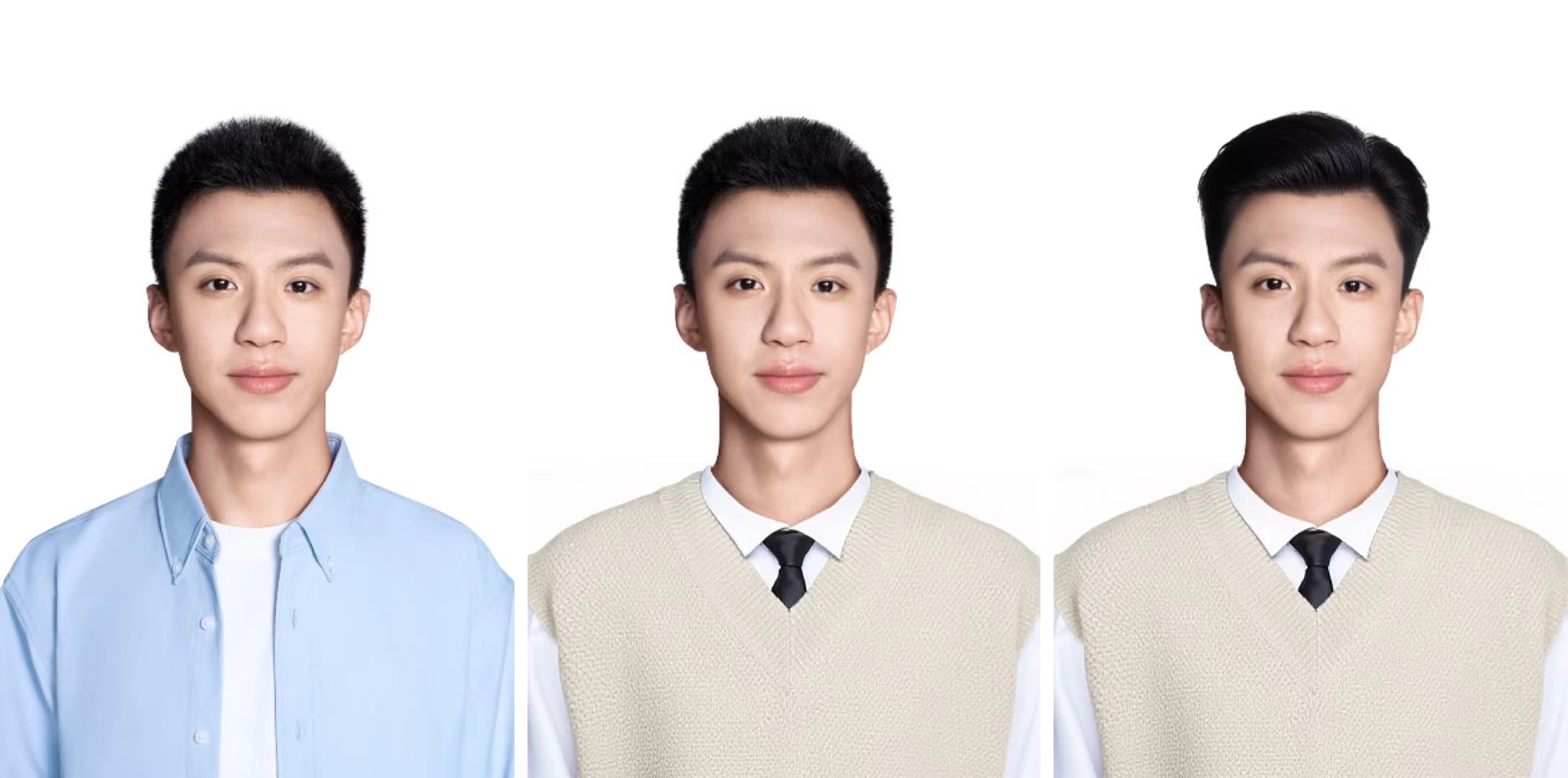
Chinese stand‑up comedian and actor Fu Hang has become an internet sensation not for a new punchline but for a surprisingly striking identification photograph. The image, posted on his Weibo account and quickly amplified across Douyin, Bilibili and other platforms, sparked a wave of hashtags—most prominently #看了付航证件照还以为他要换赛道#—which translates loosely to “Saw Fu Hang’s ID photo and thought he was switching tracks.” What began as a routine update to his official document turned into a cultural flashpoint, prompting thousands of netizens to reassess the performer’s public persona and, more broadly, to contemplate the power of visual branding in China’s entertainment industry.
8 September 2025
Fu Hang, known to his fans as a “搞笑达人” (comedy master) and affectionately nicknamed “猴哥” (Monkey Brother) for his energetic, slapstick style, uploaded the new photograph last week. In the shot he sports a sharply trimmed buzz cut, a clean‑shaven face and a confident, almost model‑like smile. The contrast with his typical on‑stage look—a more relaxed hairdo and a comedic, expressive demeanor—was jarring for many. Comments poured in, ranging from the playful (“Is this really the Fu Hang I know?”) to the earnest (“He looks so handsome I’d think he’s about to become a K‑pop idol”). One user wrote, “帅到让我以为他要换赛道,” meaning “He’s so good‑looking I thought he was changing career tracks.”
The conversation quickly coalesced around the notion of a “glow‑up” – a term popular on Chinese social media to describe a sudden improvement in appearance. A sizable portion of the discourse celebrated the transformation itself, praising the “寸头造型超绝” (exceptional buzz‑cut style) and “阳光笑容” (sunny smile). Others took a more analytical tone, noting how a high‑quality ID photo could serve as a launchpad for a shift in marketability. The phrase “换赛道,” literally “changing tracks,” has become shorthand for a celebrity’s pivot from one entertainment niche to another, such as moving from comedy to idol‑type acting or modeling.
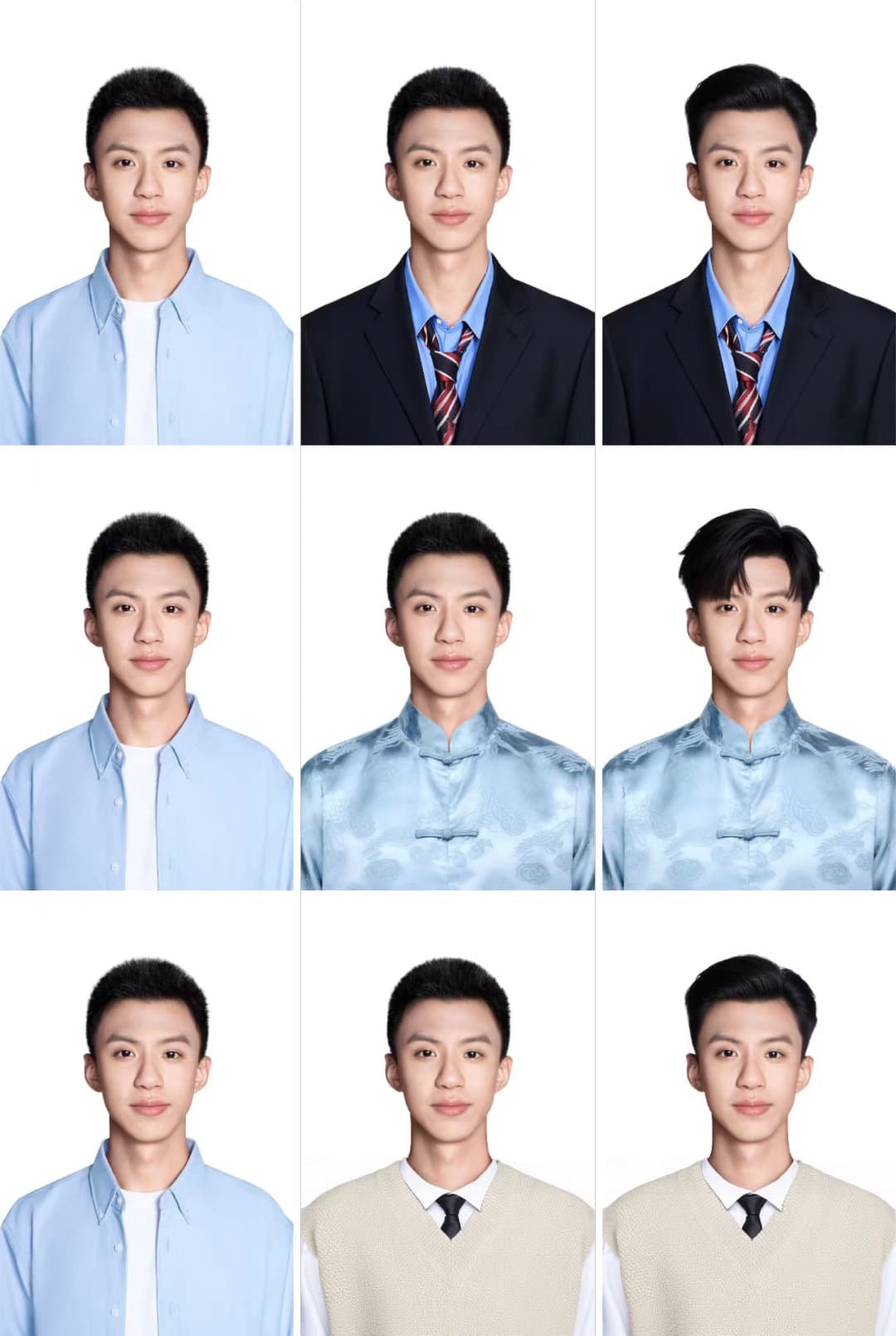
The photo’s polished look was attributed by many to the Kua.Ke.Scanning.King (夸.克.扫.描.王) app, a Chinese mobile service marketed as a one‑stop solution for professional ID photos. The app, which offers multiple size options, background, clothing and hairstyle adjustments, and a “natural beautification” filter, has been touted in posts as the secret behind Fu Hang’s crisp image. Kua.Ke.Scanning.King also promotes a free membership for university students, underscoring its appeal to a tech‑savvy, youth‑driven demographic. While the app’s branding appeared in several reposts, the broader discussion focused less on the tool itself and more on the cultural ripple effect of the image.
The phenomenon offers a window into several industry trends. First, it reaffirms the centrality of visual presentation in talent management. In an era where a single high‑resolution portrait can be shared millions of times within hours, a well‑executed photograph can reshape a public figure’s perceived versatility and broaden their appeal to casting directors, advertisers and brand sponsors. Fu Hang’s newly polished look suggests potential expansion into fashion or drama roles, an avenue that talent agencies may now explore more aggressively.
Second, the rapid virality illustrates the power of fan engagement. The hashtag trended on Weibo for several days, and the conversation spilled over to Douyin and Bilibili, where short‑form videos and fan‑made compilations further amplified the narrative. This kind of user‑generated hype functions as a low‑cost, high‑impact promotional campaign, allowing performers to gauge public receptivity to image adjustments without the overhead of a full‑scale rebranding effort.
Third, the episode raises questions about authenticity versus packaging. Critics point out that an ID photo—traditionally a mundane, bureaucratic artifact—has become a catalyst for reshaping a celebrity’s identity. The episode underscores how curated visual content can sometimes outpace an individual’s actual body of work, prompting a dialogue about the balance between genuine talent and manufactured appeal in the modern entertainment ecosystem.
Beyond the industry, the public reaction reflects deeper societal attitudes toward aesthetics. The enthusiastic praise for Fu Hang’s “handsome” visage hints at a broader bias that equates physical attractiveness with professional competence and success, especially in the entertainment sector. The notion that a “good” ID photo can be perceived as an indicator of upward mobility dovetails with the Chinese cultural emphasis on “the optics” of success—a concept that resonates even in political realms, where visual presentation can shape public trust and credibility.
The episode also highlights the fluidity of identity in the digital age. A single image, disseminated across multiple platforms, can instantly recast a public figure’s narrative, prompting fans to imagine new career trajectories and personal brand alignments. As one netizen mused, “没想到人早就开始‘偷偷摸摸’迭代了,” meaning “I didn’t realize people have already started quietly iterating themselves.” In this sense, Fu Hang’s ID photo serves as a microcosm of how modern celebrity culture thrives on constant, incremental reinvention.
In sum, what began as an administrative update for an identification document has become a case study in the potency of visual media. Fu Hang’s crisp, buzz‑cut portrait sparked a nationwide conversation about image, marketability, and the swift, sometimes whimsical, power of social media to rewrite a public persona. Whether the comedian will indeed “change tracks” remains to be seen, but the episode undeniably illustrates that in contemporary China, a well‑crafted photo can be as influential as a well‑delivered joke.
Share this article
Related Articles

Ruby Lin Says She and Wallace Huo Are Still “Adjusting” After Seven Years, Igniting Viral Debate on Celebrity Marriages
By Trending on Weibo
Entertainment
15 Sept 2025

“Too Much Qi”: A Light‑hearted Joke on ‘Sisters Who Make Waves’ Sparks Celebrity Smear Campaign, Wellness Debate and Online Meme Frenzy in China
By Trending on Weibo
Entertainment
15 Sept 2025
Li Ronghao’s Tour Surge, New Video Release, and NFC Album Glitch Spotlight Quality‑Control Challenges in China’s Pop Scene
By Trending on Weibo
Entertainment
13 Sept 2025
Mu Zhicheng Emerges as TF Entertainment’s Hottest Trainee Amid Viral Social‑Media Surge and Anticipated Debut
By Trending on Weibo
Entertainment
13 Sept 2025
China’s Emerging Acting Sensation Zhang Kangle Poised for High‑Profile Film, Fashion, and Digital Stardom
By Trending on Weibo
Entertainment
13 Sept 2025