Dragon Boat Festival Kicks Off with Traditional Celebrations and Travel Surge
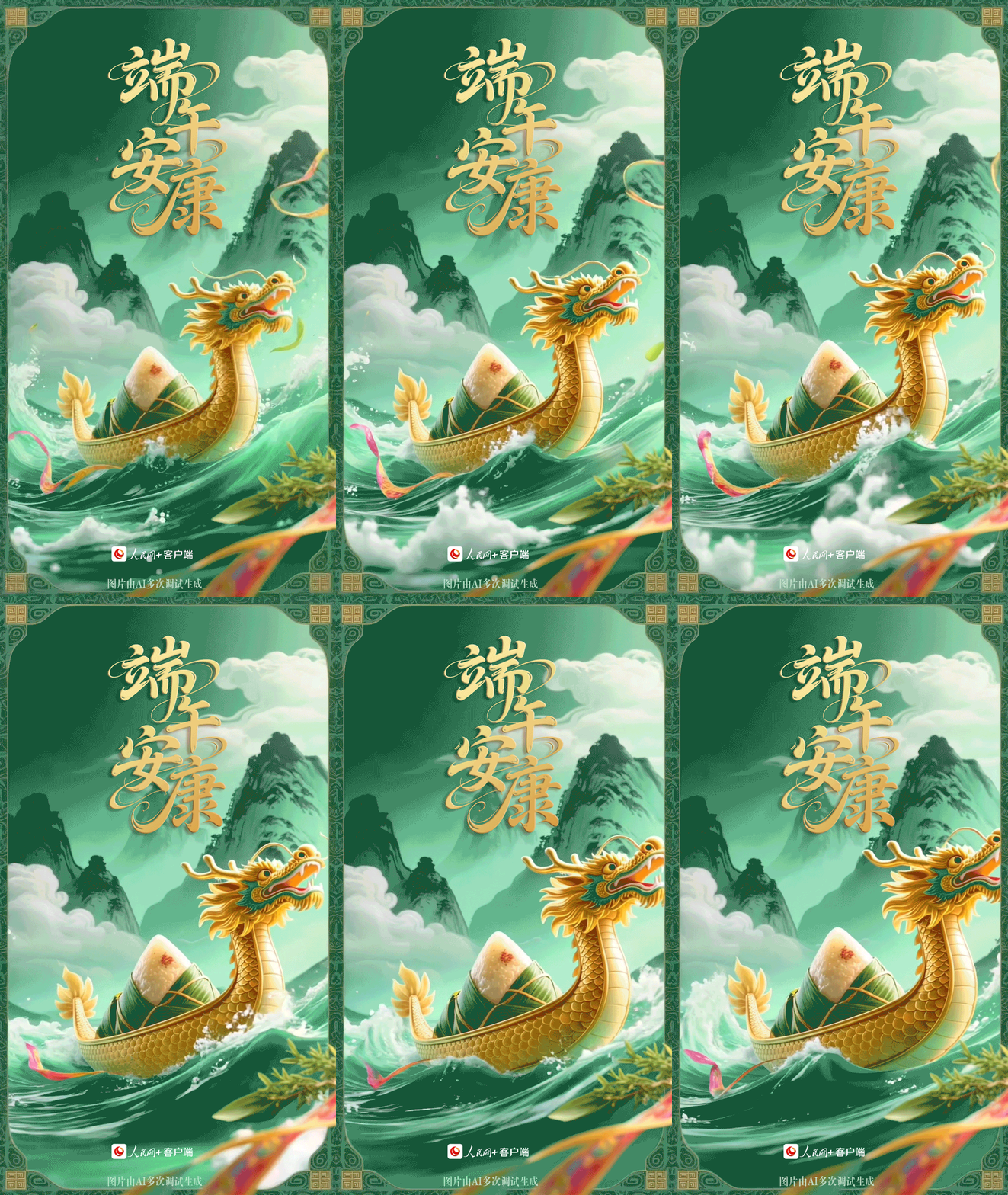
The first day of the Dragon Boat Festival holiday is a day filled with tradition and culture. The Dragon Boat Festival is one of China's four major traditional festivals, with a history spanning over 2,000 years, and it continues to attract widespread attention and celebration. According to recent reports, China's transportation authorities expect a significant surge in travel during the holiday period, with an estimated 6.87 billion trips to be made, representing a 7.7% increase from the same period last year. This influx of travelers is expected to put a strain on the country's transportation infrastructure, particularly on highways, where traffic volume is expected to reach 40.7 million vehicles per day, with a peak of 38 million vehicles on the first day of the holiday.
31 May 2025
The Dragon Boat Festival, also known as Duanwu Festival, has a rich history and cultural significance, with various traditions and customs associated with it. The festival is typically celebrated on the 5th day of the 5th month of the lunar calendar, and it is a time for families to reunite and pay tribute to their ancestors. The festival is also marked by the tradition of eating zongzi, a type of glutinous rice dumpling, and participating in dragon boat racing, which has become a popular international sporting event.
As the Dragon Boat Festival coincides with the International Children's Day, there is expected to be a significant increase in short-distance travel and family outings, which will put additional pressure on the transportation network. The authorities are taking measures to ensure the safe and smooth flow of traffic, including increasing the frequency of public transportation and implementing traffic management measures to reduce congestion. With the festival expected to bring a surge in tourism and consumer spending, the authorities are also taking steps to ensure that the transportation infrastructure can cope with the increased demand.
The first day of the Dragon Boat Festival is a time when the rich cultural heritage and traditional customs of the holiday come alive. From the meticulous craftsmanship that goes into building the dragon boats to the exhilarating thrill of the dragon boat races, the festival embodies a profound sense of cultural memory and continuity. The preparation and consumption of zongzi, traditional glutinous rice dumplings, is also an integral part of the festivities, with different fillings and cooking methods in the north and south reflecting the diverse culinary cultures and regional characteristics of China.
On the first day of the Dragon Boat Festival, people come together to wish their loved ones health and happiness. The traditional food, zongzi, is not just a delicacy but a symbol of the sweetness and good fortune the season brings. As families and friends gather to share in the festivities, they hope that the beautiful traditions and cultural heritage of the festival will continue to thrive for generations to come. The rhythm of the dragon boat drums embodies the courage and vitality of life, while the simple act of unwrapping a zongzi can reveal the happiness found in everyday moments. As people share these blessings and wishes with one another, they usher in a holiday filled with meaning and joy.
The Dragon Boat Festival is not only celebrated in mainland China but also observed in other parts of Asia, such as Korea, Japan, and Vietnam, reflecting the broad influence and international spread of Chinese culture. In Korea, the festival, known as "Dano," features traditional games, masquerade performances, and the consumption of special foods like surichwi and makgeolli. Japan, while not directly celebrating the Dragon Boat Festival, has a similar holiday called "Tango no Sekku," which involves the display of carp streamers and the eating of mochi to celebrate boys' health and well-being. Vietnam's "Tết Đoan Ngọ" focuses on consuming fruits and traditional desserts on the fifth day of the fifth lunar month to ward off evil spirits. These celebrations underscore the festival's significance as a cultural event that transcends borders, highlighting the historical and cultural ties within East Asia and the adaptability of traditional festivals in different contexts.
Comments


Share this article
Related Articles
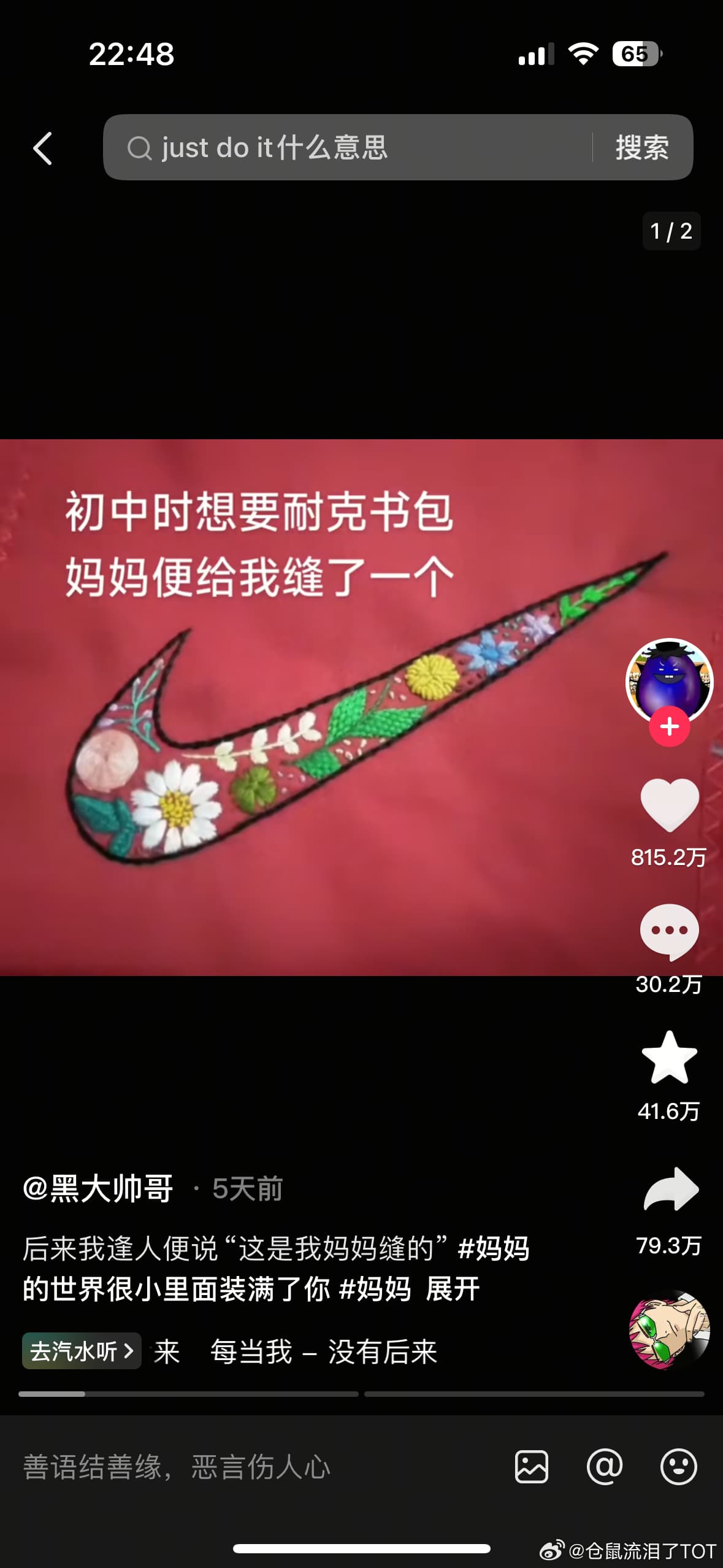
Mother’s Hand‑Stitched Nike Backpack Goes Viral, Showcasing Love, Craftsmanship and Brand Authenticity in China
By Trending on Weibo
Culture
15 Sept 2025
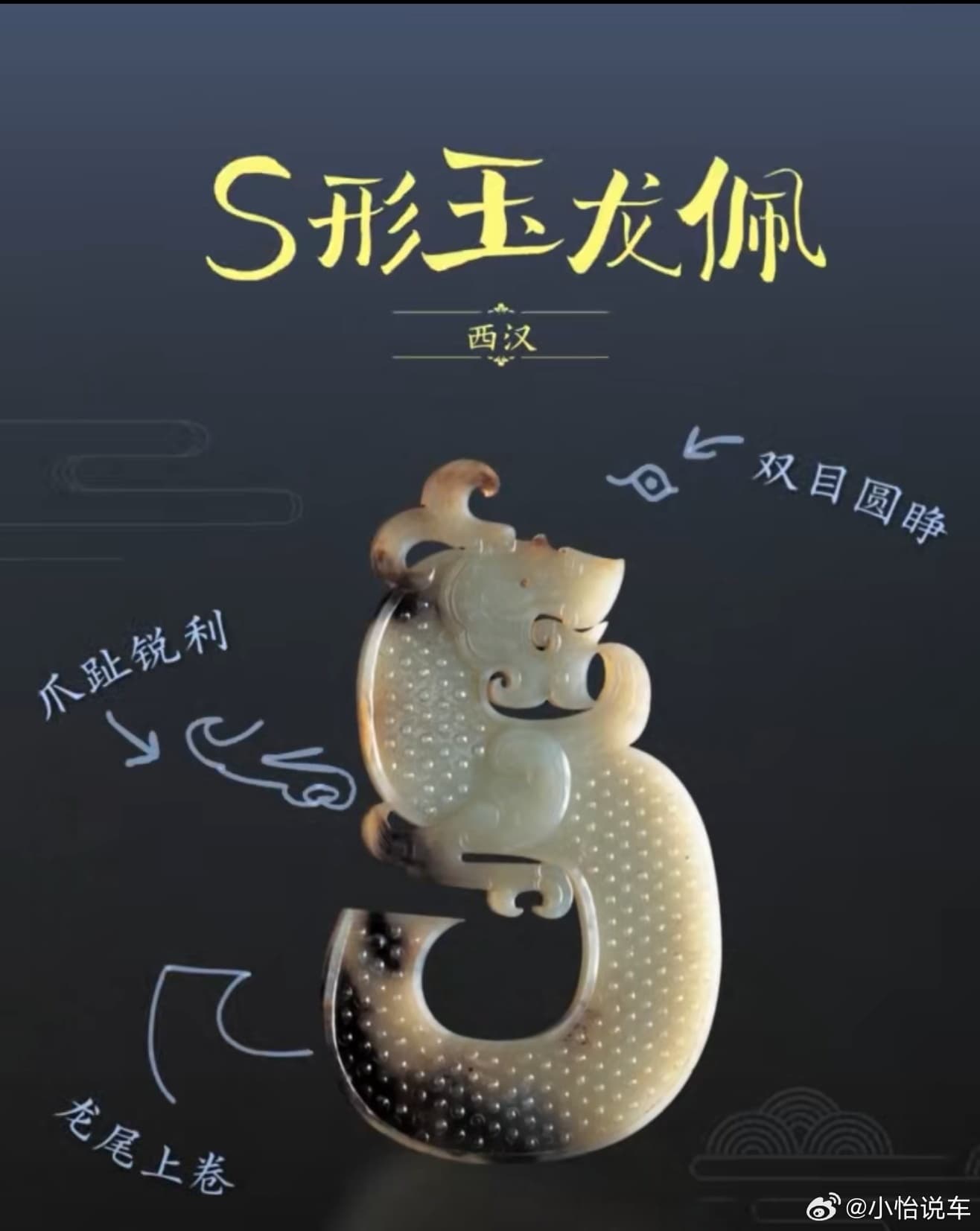
China’s “National Treasure Highlights” Campaign Turns Heritage Into Global Soft‑Power and Consumer Brand】
By Trending on Weibo
Culture
13 Sept 2025

Mystery Meme: Unraveling China’s “Dissected 14 People, Crumbled by a Letter” Phenomenon】
By Trending on Weibo
Culture
8 Sept 2025

Chinese Netizens Turn Blood Moon Into Viral “Too Abstract” Meme
By Trending on Weibo
Culture
8 Sept 2025
From Song Dynasty Verse to 2024 Drama: The Enduring Echo of “Rain‑Laden Bells” in Chinese Culture
By Trending on Weibo
Culture
8 Sept 2025