Family of Snake Bite Victim Demands Answers Amidst Autopsy Controversy
A recent incident in Sanya, China, has sparked widespread attention after a 27-year-old female tourist died from a snake bite. The deceased's family initially stated that they would not consider an autopsy, which led to public scrutiny. However, in a later statement, the family expressed willingness to cooperate with an autopsy if the existing medical records and expert investigations are unable to confirm the cause of death. The Sanya Municipal Health Commission has intervened in the matter, assembling a team of experts to investigate the incident, with preliminary findings expected within five days.
5 June 2025
According to the family's account, the victim and her boyfriend were bitten by an unknown animal, suspected to be a venomous snake, while walking near their hotel. They sought medical attention at a local hospital, where they reported their suspicions of a snake bite and exhibited symptoms such as vomiting, dizziness, and numbness in the tongue. The hospital administered treatments, including anti-venom serum, but the victim ultimately succumbed to her injuries. The family's initial reluctance to consider an autopsy was due to a lack of clear guidance on the necessity of the procedure.
The victim's cousin, Xiao Li, stated that when they first visited the hospital, they informed the doctor about their suspicions of a snake bite, showed them the wound, and reported symptoms such as vomiting, blurred consciousness, and numbness in the tongue. The hospital initially treated her with medication to alleviate her symptoms but did not confirm whether it was a snake bite after two blood tests. It was only after more than three hours that the hospital suggested the possibility of a snake bite and recommended transferring her to another hospital. After being transferred to the second hospital, the doctor diagnosed her with a neurotoxin-type bite and administered antivenom, although the specific type of antivenom used has not been disclosed to the family.
The local health authority has invited provincial experts to investigate the incident to determine whether the bite was indeed from a venomous snake and what type of snake it was. The results are expected in five days. Xiao Li clarified that the family's initial statement about not planning to conduct an autopsy was made because they were not informed whether an autopsy was necessary based on the existing evidence. If the current evidence is insufficient to confirm the cause of death, and an autopsy is required for the investigation, the family is willing to cooperate. However, they also hope to understand whether the first hospital followed the proper protocol for treating unknown bites and why the second hospital administered antivenom without clearly identifying the type of snake bite.
Lawyer interpretations suggest that the hospital may bear some responsibility, but if its negligence is not directly linked to the patient's death, it may not have to assume full liability. The responsibility of the scenic area also needs to be taken into account. If the area's management is found to be inadequate, leading to tourist injuries due to the presence of venomous snakes, the scenic area will need to bear responsibility. The sealed medical records are crucial evidence, reflecting the hospital's diagnosis and treatment process. It is crucial to determine the direct cause of death and assess the roles of various parties involved, including the hospital and the scenic area, to allocate responsibility accurately.
The investigation's findings and professional assessments will be key to understanding the events leading to the tragic death of the 27-year-old woman and to preventing similar incidents in the future. The family of the deceased has expressed their willingness to accept the conclusion if it is ultimately confirmed that the bite was not from a venomous snake. However, they have also raised crucial questions regarding the protocol followed by the first hospital in treating the wound, and the rationale behind the second hospital's decision to administer antivenom. The outcome of this incident will serve as a stark reminder, highlighting the importance of prioritizing tourist safety and medical responsibility. It underscored the need for rigorous protocols in handling emergencies, particularly in tourist areas, and for transparency in medical procedures.

The incident has also prompted a broader discussion on the preparedness of medical facilities in handling rare but potentially fatal cases, emphasizing the need for continuous training and equipment updates. Ultimately, the pursuit of answers and accountability in this case will contribute to safer travel experiences and higher standards of medical care. As the investigation continues, it is imperative that all aspects are thoroughly examined to prevent such tragedies in the future and to ensure that those responsible are held accountable.
Comments


Share this article
Related Articles

Xi Jinping Elevates Cybersecurity to Core National‑Security Pillar, Driving China’s Quest for a Cyber Superpower
By Trending on Weibo
News & Politics
15 Sept 2025
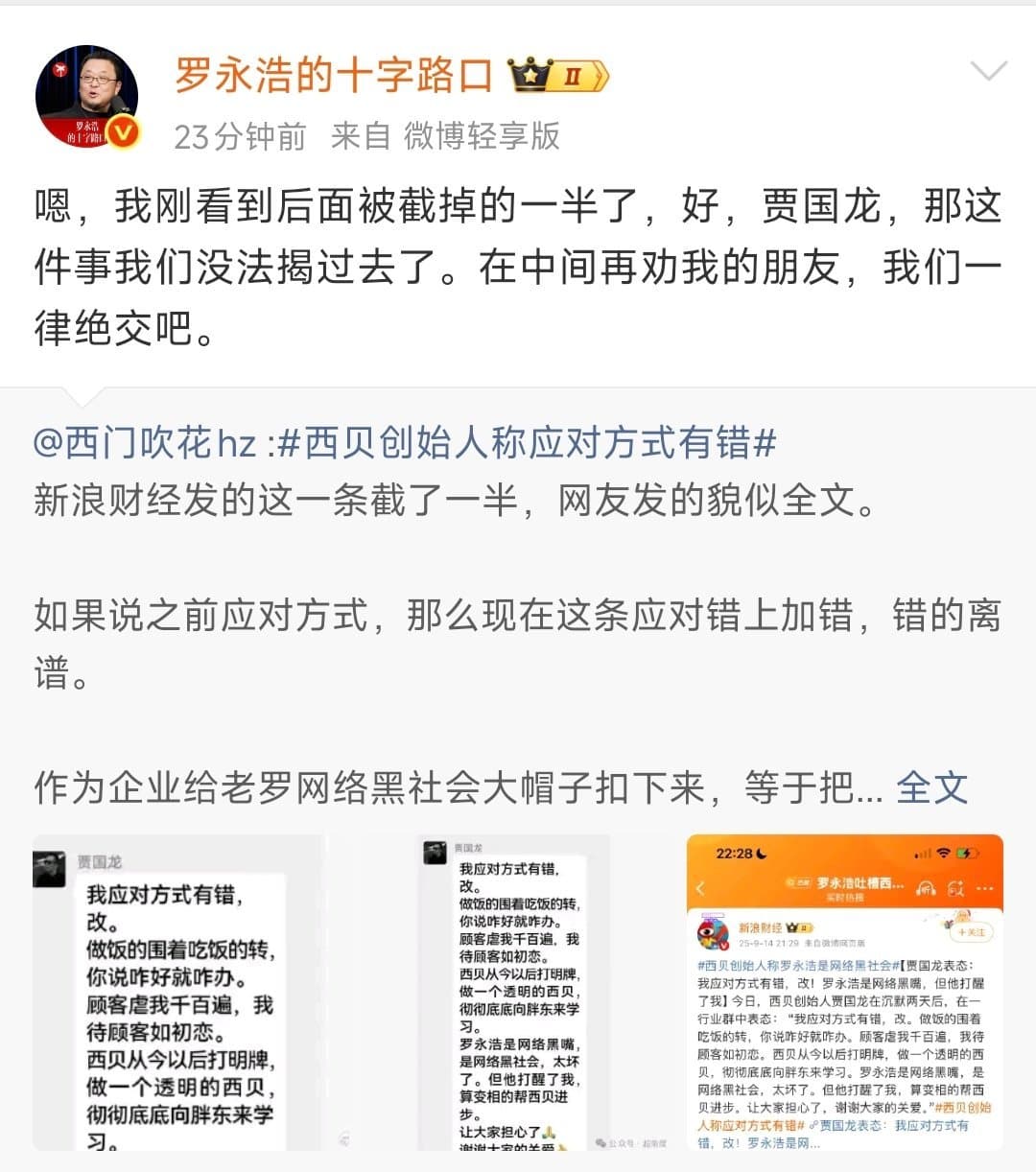
Luo Yonghao vs. Xibei: Celebrity Entrepreneur Sparks Media Storm Over Pre‑Made Dishes and Calls for Transparency
By Trending on Weibo
News & Politics
15 Sept 2025

Weibo Celebrates Autumn Harvest as China’s Fields Become the Nation’s Most Beautiful Canvas
By Trending on Weibo
News & Politics
15 Sept 2025
China Enacts First Comprehensive Rental Regulations to Legalize and Stabilize the Rental Market
By Trending on Weibo
News & Politics
15 Sept 2025
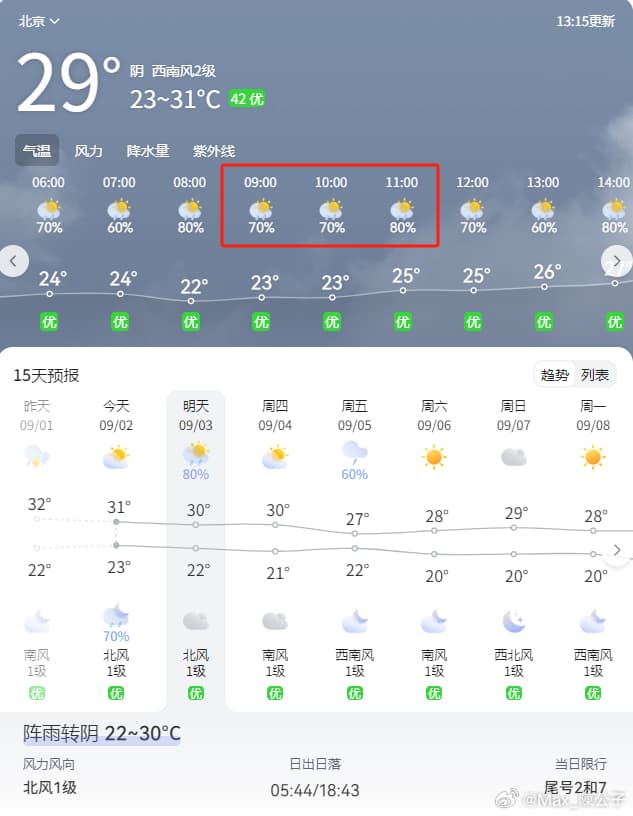
Beijing’s Weather Emerges as a Barometer for China’s Climate Policies and Public Life
By Trending on Weibo
News & Politics
13 Sept 2025