Harimoto Upsets Wang to Capture First WTT Title in Yokohama Amid Controversial Medical Timeout
Wang Chuqin and Tomokazu Harimoto have once again taken centre‑stage in the world of table tennis, this time in a showdown that will be replayed on social media feeds for weeks to come. The two left‑handed and right‑handed powerhouses met in the men’s singles final of the WTT Yokohama Champions on August 11, 2025, a match that culminated in Harimoto’s 4‑2 triumph and handed the Japanese prodigy his first major WTT title of the season.
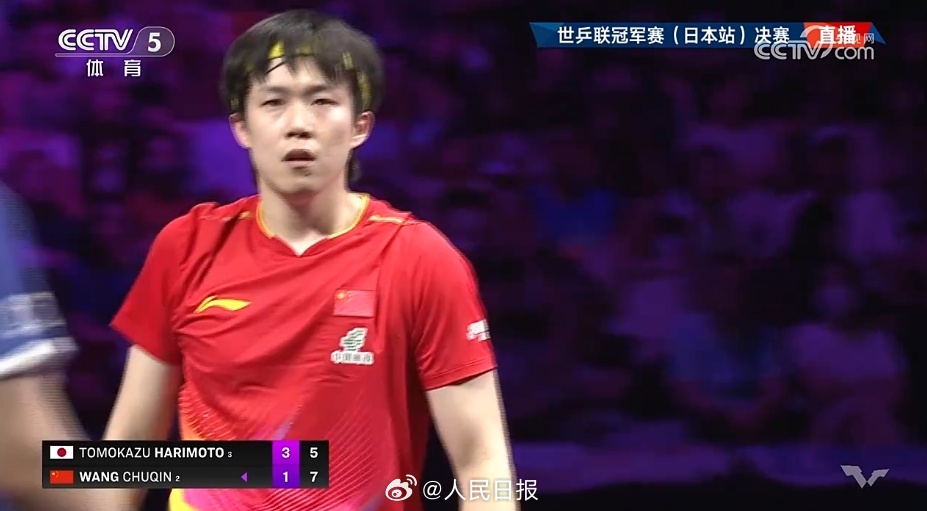
The six‑set battle began with Harimoto surging ahead, taking the first three games 11‑9, 11‑5 and 11‑8. Wang, the 23‑year‑old Chinese star who has long been touted as the next generation of China’s dominant table‑tennis line‑up, steadied himself and forced a comeback, clawing back the next two games 11‑9 and 13‑11. As the momentum shifted, Harimoto called a medical timeout, citing a twisted knee. The pause, coming at a critical juncture, sparked a flurry of commentary online—particularly on China’s Weibo platform—where fans debated whether the interruption was a strategic move or a legitimate injury, recalling a similar episode in which Harimoto faced criticism for exploiting medical breaks.
When play resumed, Harimoto reasserted his lead, sealing the match with a decisive 11‑4 in the final game. The scoreline—9‑11, 5‑11, 8‑11, 11‑9, 13‑11, 4‑11—tells a story of fierce swings in control, and it punctuates a rivalry that has grown increasingly acute over the past two years.
Their most recent encounter before Yokohama was the final of the WTT U.S. Grand Slam earlier this year, where Wang emerged victorious and maintained a favorable head‑to‑head record against Harimoto. Prior to that, Wang had also bested the Japanese player at the 2023 WTT Champions in Macau, and a planned clash at the WTT Chongqing Champions slated for later 2025 has already become a talking point among enthusiasts eager to see whether Harimoto can reverse the trend.
Beyond the numbers, the rivalry carries a symbolic weight that extends into national pride. China’s table‑tennis heritage is unrivaled, and any loss to a Japanese opponent reverberates far beyond the table. Weibo users reflected this tension, with some lamenting the “pain of losing to Japan” while others rallied behind Wang, urging him to bounce back. Meanwhile, Harimoto’s supporters most aggressive gives him one of the quickest backhands in the sport, paired with a relentless attacking mindset. Their matches therefore become a tactical chess game, each player probing the other’s weaknesses while unleashing rapid-fire rallies that thrill spectators.
Both athletes are still young by table‑tennis standards, and each meeting is viewed as a benchmark for future leadership of their respective national squads. For Wang, a win solidifies his status as the heir to China’s dominant lineage; for Harimoto, victories over Chinese elites are essential stepping stones toward reshaping the power balance in international table tennis. The Yokohama final, with its dramatic swing of fortunes and the contentious medical timeout, highlights just how thin the margin can be between triumph and disappointment at the highest level.
As the season progresses, the eyes of the table‑tennis world will continue to follow this rivalry, dissecting every point, every timeout, and every post‑match reaction. Whether Wang can recapture the upper hand or Harimoto cements his newfound edge remains to be seen, but one thing is clear: their duels are not just contests of skill, but narratives that capture the imagination of fans across continents, turning each match into a chapter of a larger story that intertwines sport, national identity, and the relentless pursuit of excellence.