Huiyuan, China's Original National Juice, Cuts Ties With Its Own Name
Beijing Huiyuan, the juice maker founded in 1992 that became a fixture of Chinese grocery carts, announced it will stop producing anything carrying the 'Huiyuan' trademark after its restructuring investor failed to pay 850 million yuan — leaving cartons still on shelves under the famous name with no tie to the company that made it famous.
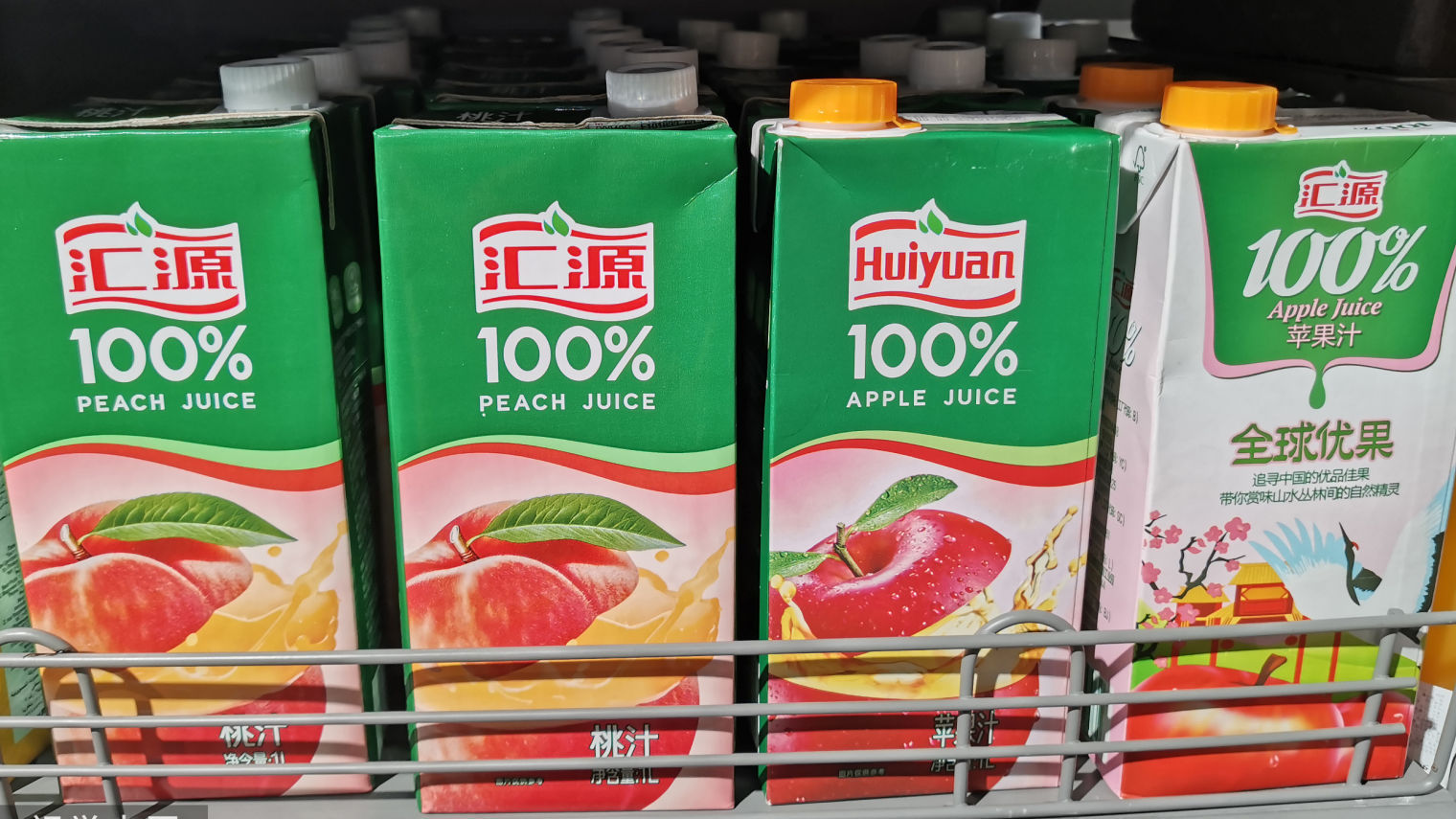
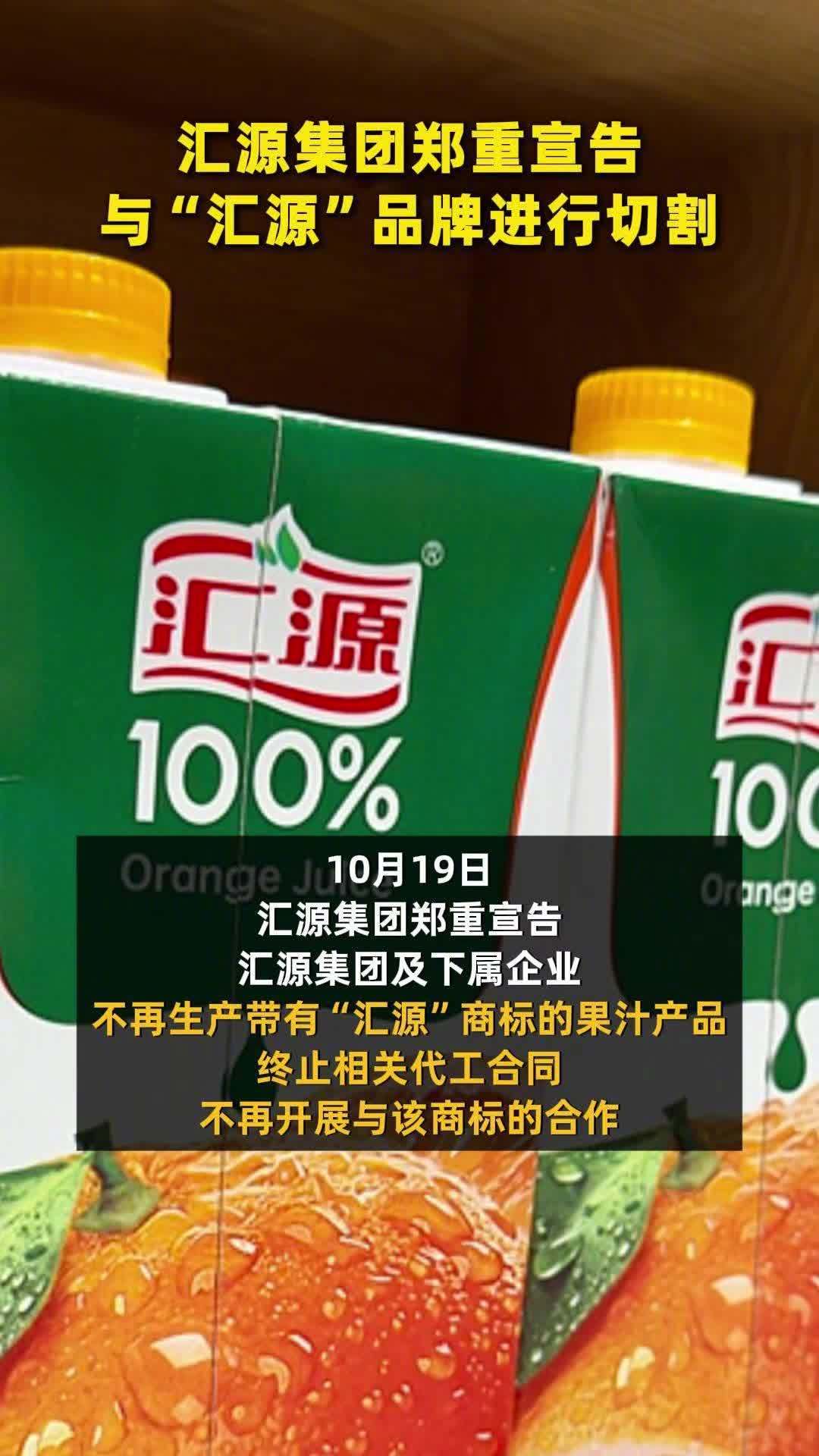
On October 19, Beijing Huiyuan Drink & Food Group issued what it called a solemn declaration with the flavor of a company divorcing itself: the group and its subsidiaries will no longer produce juice under the "Huiyuan" trademark, will terminate the related contract-manufacturing agreements, and will go forward under a new brand, "Zanjia Guoyuan" (咱家果源 — roughly, "Our Family's Fruit Source").
The target of the declaration was, awkwardly, Huiyuan's own rescuer. In the restructuring that followed the company's debt crisis, Shanghai Wensheng Asset Management came in as the investing party — but according to the statement it never paid the remaining 850 million yuan of its committed investment, and the 750 million it did put in was not injected into operations as the agreement required. The restructured Beijing Huiyuan, the statement says, survived from 2023 to 2025 on funds left over from before the restructuring — conduct the group calls a fundamental breach, now before the courts.
The practical meaning, as explainer posts rushed to spell out, is that "Huiyuan" juice and Huiyuan Group are now two different things. The trademark sits with the post-restructuring entity; the orchards, plants and quality-control system sit with the group that issued the declaration. Supermarket shelves will carry both: cartons still called Huiyuan, made by someone new, and the new brand made by the old team. One post put the shopping advice plainly: from here on, check the manufacturer line on the back of the carton rather than the brand on the front.
For Chinese consumers this is not just a corporate restructuring. Huiyuan was founded in 1992 out of a failing state cannery and became the default juice of a generation, the concentrate that filled Spring Festival tables nationwide. In 2008, a proposed acquisition by Coca-Cola worth over two billion dollars set off a wave of public opposition so loud that regulators blocked the deal on competition grounds; the brand became shorthand for a national champion that should not be sold. The debt troubles that followed eventually left the juice unit suspended from Hong Kong trading and pushed into bankruptcy restructuring.
The statement closes on the line that carried the day's emotion: "Capital can take the name away, but it cannot take the orchards, the production and the quality-control system we spent thirty-plus years building." One post noted that a week earlier a court had issued a first-instance trademark ruling awarding damages of more than 97 million yuan and ordering the infringing use of the name to stop — context that makes the declaration read less like surrender and more like the opening move of a fight over who owns a word. Which juice ends up being Huiyuan in anything but name is now a question for the courts, and for the shelves.