Indian Fighter Jet Shot Down, Pilot Captured by Pakistan Amid Rising Tensions
On May 10th, a significant incident occurred in the region of Sialkot, Punjab Province, Pakistan, where an Indian fighter jet was reportedly shot down. According to sources within the Pakistani military, the downed aircraft was an Indian Air Force fighter jet, and the pilot has been taken into custody. The event allegedly took place near the city of Sialkot, with additional reports from Pakistani media indicating that the Pakistani Air Force captured a pilot belonging to the Indian Air Force's 17th Squadron, who was flying a "Tejas" warplane, in the Hajira area of Pakistan-controlled Kashmir. Notably, the Hajira region is situated near Sialkot. As of now, Indian officials have not confirmed this news.

10 May 2025
The downing of the Indian fighter jet and the capture of its pilot is the latest escalation in the tense relationship between India and Pakistan. The two nuclear-armed neighbors have been engaged in a longstanding dispute over the Kashmir region, which has led to numerous clashes and exchanges of fire in recent years. The current situation is a stark reminder of the volatile nature of their border and the potential for further conflict. According to Pakistani military officials, the Indian air force fighter jet was shot down in the Sialkot area of Pakistan's Punjab province on May 10. The pilot, whose identity has not been released, is being held in Pakistani custody.
This development has sparked concerns about the potential for further escalation and the impact on regional stability. The incident is a significant blow to India's military efforts, as it not only highlights the country's vulnerability to Pakistani countermeasures but also raises questions about the effectiveness of its air defense systems. The capture of the Indian pilot also puts pressure on the Indian government to secure their release, which could lead to further diplomatic tensions between the two nations.

The international community is closely watching the situation, with many calling for restraint and calm. The United Nations and other global organizations have urged both India and Pakistan to engage in dialogue and find a peaceful resolution to their disputes, rather than resorting to military action. For the Indian pilot, being taken captive may not necessarily be a negative outcome. As long as he returns home safely, there is a possibility that he could be hailed as a hero. This is not unprecedented in India, where there is a history of "turning a funeral into a wedding," as the locals would say.
A similar scenario played out in March 2019, during the last India-Pakistan military conflict. At that time, Indian Wing Commander Abhinandan Varthaman was flying a MiG-21 when it was shot down, and he was taken captive by Pakistani forces. However, after being released and repatriated, he was not only received by Prime Minister Narendra Modi but also lauded as a "national hero" of India. Varthaman was even awarded the prestigious Mahavir Chakra medal, one of the highest military honors in the country. This precedent suggests that the current captive pilot may also receive a heroic welcome upon his return, which could have significant implications for the ongoing tensions between India and Pakistan.
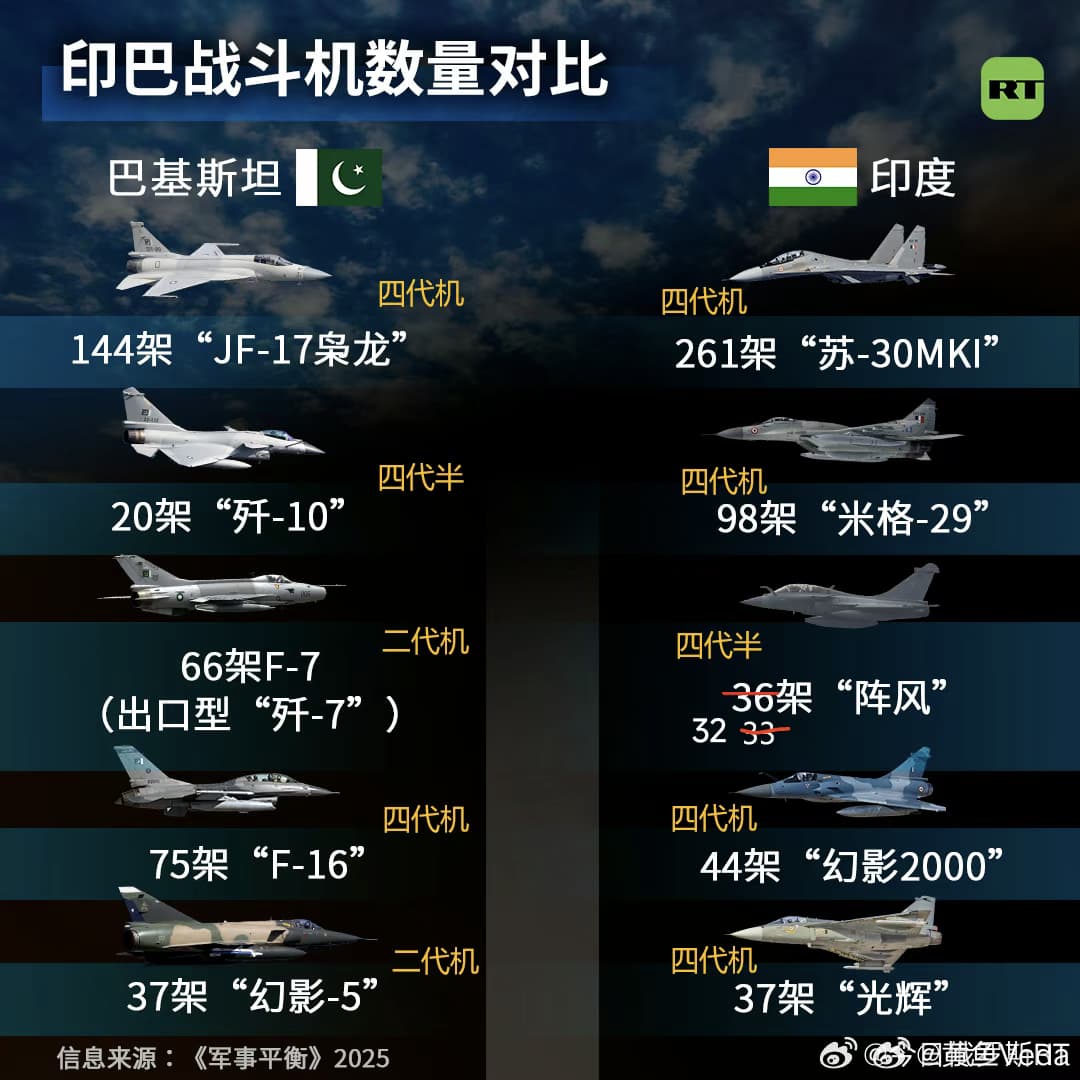
The downing of an Indian fighter jet and the capture of its pilot has brought the military comparison between India and Pakistan to the forefront. India boasts a larger fleet of fourth-generation fighter jets, while Pakistan faces significant military pressure. As tensions between the two nations continue to escalate, the future of their relationship will remain under close scrutiny. The military advantage enjoyed by India, with its superior air power, poses a significant challenge to Pakistan. However, Pakistan's military has demonstrated its capabilities in defending its airspace, as evident from the recent incident.
The capture of the Indian pilot has also highlighted Pakistan's determination to protect its sovereignty. In the future, the military balance between India and Pakistan is likely to remain a critical factor in shaping their relationship. India's possession of advanced fighter jets, including the Rafale and the Tejas, gives it a significant edge in terms of air power. On the other hand, Pakistan's military is working to modernize its fleet, with the induction of new fighter jets and the development of its own defense systems. The ongoing tensions between India and Pakistan will continue to impact the regional security dynamics, with both countries engaging in a game of one-upmanship.

The international community will be watching the situation closely, as the conflict between the two nuclear-armed nations has the potential to escalate into a full-blown crisis. In conclusion, the situation is complex and multifaceted, with both countries having their strengths and weaknesses. As the situation continues to unfold, it is essential to monitor the developments closely, considering the potential implications for regional and global security. The future of India-Pakistan relations will depend on various factors, including the military balance, diplomatic efforts, and the role of external factors, making it a critical area of focus for policymakers, analysts, and the international community.
Comments


Share this article
Related Articles

Xi Jinping Elevates Cybersecurity to Core National‑Security Pillar, Driving China’s Quest for a Cyber Superpower
By Trending on Weibo
News & Politics
15 Sept 2025

Luo Yonghao vs. Xibei: Celebrity Entrepreneur Sparks Media Storm Over Pre‑Made Dishes and Calls for Transparency
By Trending on Weibo
News & Politics
15 Sept 2025

Weibo Celebrates Autumn Harvest as China’s Fields Become the Nation’s Most Beautiful Canvas
By Trending on Weibo
News & Politics
15 Sept 2025
China Enacts First Comprehensive Rental Regulations to Legalize and Stabilize the Rental Market
By Trending on Weibo
News & Politics
15 Sept 2025
Beijing’s Weather Emerges as a Barometer for China’s Climate Policies and Public Life
By Trending on Weibo
News & Politics
13 Sept 2025