He Junlin’s Solo “Afterimage” Concert Ignites Fan Frenzy, Marking a Turning Point in China’s Idol Culture
He Junlin, the charismatic vocalist and dancer of the Chinese boy‑band Teens in Times (时代少年团), has suddenly become the centre of a feverish online buzz that is reshaping how fans see idol culture in China. A series of posts on the popular micro‑blogging platform Weibo have singled out his solo “Coming‑of‑Age” concert – literally translated as “He Junlin’s Crown‑Receiving Concert” – as the milestone that marks his transition from group member to solo performer. The hashtag #贺峻霖加冠礼演唱会# has been retweeted thousands of times, and fans are flooding the platform with messages of gratitude, admiration and, in some cases, outright excitement that reads almost like a collective gasp.
20 August 2025
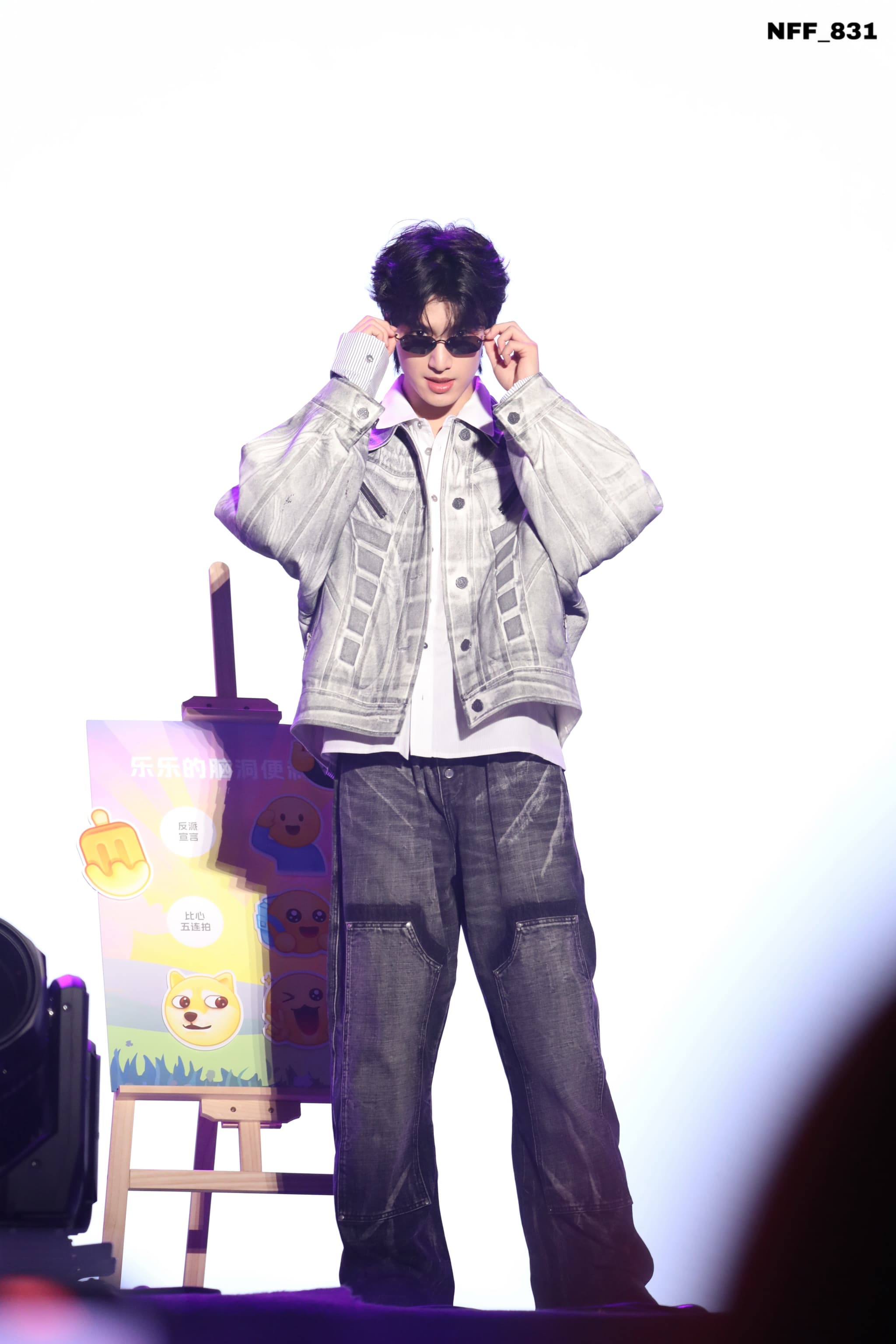
The enthusiasm is not limited to the ceremony itself. A string of comments celebrates the way He Junlin moves on stage, describing his choreography as “so twisted, so beautiful” and even labeling him “极燃” – a slang term that loosely translates to “on fire” or “incredibly hot.” One Weibo user wrote, “He can ‘twist’ like no one else; his performance is so beautiful it makes me want to faint.” The visual impact of his stage debut – a performance dubbed “Afterimage” (残影) – has been captured in 4K footage and posted across fan forums, where the term “残影” itself has become a shorthand for the striking, almost cinematic, impression he leaves behind. Critics note that the choreography, lighting and camera work combine to give the sense that the audience is witnessing a single‑person spectacle rather than a segment of a larger group.
Beyond the artistry, the conversation is steeped in emotional reciprocity. Fans repeatedly echo the phrase “你辛苦了” – “you’ve worked hard” – alongside more elaborate expressions of empathy, such as “你都知道,你都体恤,你都心疼,” which can be rendered as “you understand, you sympathize, you feel my pain.” One particularly vivid post reads, “My goodness… chasing stars, it’s always the fans who understand the idol. This is the first time someone said to me ‘you’ve worked hard.’ Thank you, He Junlin. With your words, all the hardships we endure for love become worth it.” Such exchanges underscore the depth of the bond between He Junlin and his supporters, a bond that is intensifying now that his individual talents are on display.
Industry analysts see the phenomenon as part of a broader shift in China’s idol ecosystem. Since the early 2010s, the market has seen a succession of group members branching out into solo projects, a trajectory that has proven commercially lucrative in both the domestic and broader Asian markets. The success of artists like Cai Xukun, who transitioned from a reality‑show contestant to a chart‑topping solo act, provides a template for how individual brand development can coexist alongside group promotions. He Junlin’s own fan base, which already commands a sizeable presence on social media, is now being mobilized to support his solo endeavors, purchasing merchandise, streaming his performances and organizing virtual fan clubs. The presence of a “solo ability” ranking among fans – colloquially phrased as “航solo>朱solo>苏solo” – reflects an informal but fervent appraisal of which members are most poised for independent success. In this context, He Junlin’s “Afterimage” debut and his upcoming crown‑receiving concert are not merely artistic events; they are strategic touchstones that could set the tempo for his future releases and collaborations.
The cultural implications are equally noteworthy. Idol fandom in China, especially among younger demographics, is an engine of consumption, influencing fashion trends, digital content preferences, and even lifestyle aspirations. A solo artist who can channel that devotion into a personal narrative – for instance, by celebrating a coming‑of‑age ritual – potentially becomes a more powerful individual role model than his group counterpart. This intensifies the stakes for management teams, who must balance the commercial benefits of group cohesion against the artistic freedom and marketability of solo projects.
All of this takes place under the watchful eye of a regulatory environment that has increasingly scrutinized entertainment content. The Chinese government’s cultural policies encourage “healthy” and “positive” values in media, and they have tightened oversight of fan culture, online commentaries, and the financial mechanisms that drive fan clubs. While He Junlin’s solo venture does not appear to be politically charged, the very fact that his activities are under constant monitoring reminds industry insiders that any public figure’s content, messaging and fan engagement must align with broader state objectives – from promoting harmony to avoiding content deemed “vulgar” or “excessively commercial.” The balance between artistic expression and political conformity will inevitably shape how He Junlin’s career evolves.
In sum, the surge of excitement around He Junlin’s solo endeavors paints a vivid picture of an idol stepping out from the collective shadow of his group to claim a distinct artistic space. The “Afterimage” performance, the emotional resonance across fan narratives, and the anticipation surrounding his Crown‑Receiving Concert together signal a moment where personal brand, industry trends, cultural impact, and regulatory constraints converge. Whether He Junlin’s solo trajectory will mirror the commercial heights of prior Chinese idols remains to be seen, but the current wave of fan devotion suggests that his journey is already resonating far beyond the stage, forging a new chapter in the evolving story of China’s pop culture.