Korean Netizens Mistake Chinese Singer’s Father for a Chaebol Tycoon, Sparking a Viral Meme
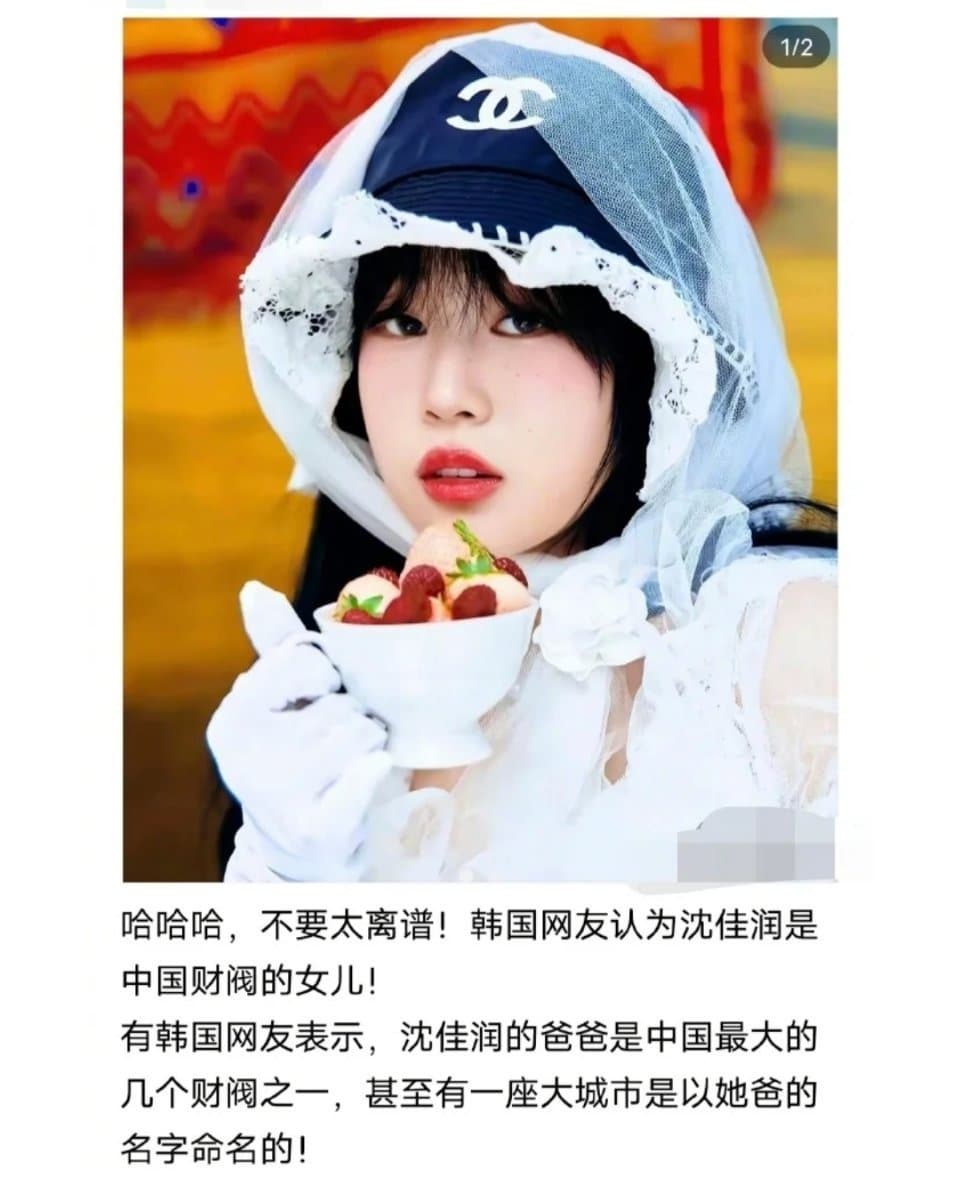
When Chinese comedy star Xiao Shenyang’s daughter, the young performer Shen Jiarun—known onstage as Nina—debuted in South Korea as a solo singer, a wave of amusement rippled across the internet. A misunderstanding that began as a playful misreading of her father’s stage name swiftly turned into a meme: Korean netizens were convinced that Nina was the daughter of a “chaebol”—the powerful, family‑run conglomerates that dominate South Korean business and, by extension, its popular imagination.
11 August 2025
The confusion hinges on the similarity between Xiao Shenyang’s name and the Chinese city of Shenyang (沈阳). Some Korean users, unfamiliar with the comedian’s background, assumed that a city‑sharing surname signified an extraordinary level of wealth, prompting the tongue‑in‑cheek assertion that he “owns” the city. Adding to the narrative, Nina’s recent signing with a management company that currently lists only her as an artist was read as a hallmark of elite, “chaebol‑style” backing.
On Chinese micro‑blogging platform Weibo, the story exploded into a series of jokes, memes and mock‑testimonies. One user wrote, “Koreans, you really make me laugh… they’ve started spreading rumors about Xiao Shenyang, saying Shenyang City is named after him and he’s a top chaebol.” Another declared, “I can testify that this is true! 1. Her father Xiao Shenyang once publicly said he’s not short of money on a program with the highest national viewership. 2. There is indeed a city called Shenyang in China, the capital of Liaoning Province!” A third quipped, “Understood, next time I meet a Korean, I’ll say this and help establish the Shenyang chaebol persona for Nina’s father.”
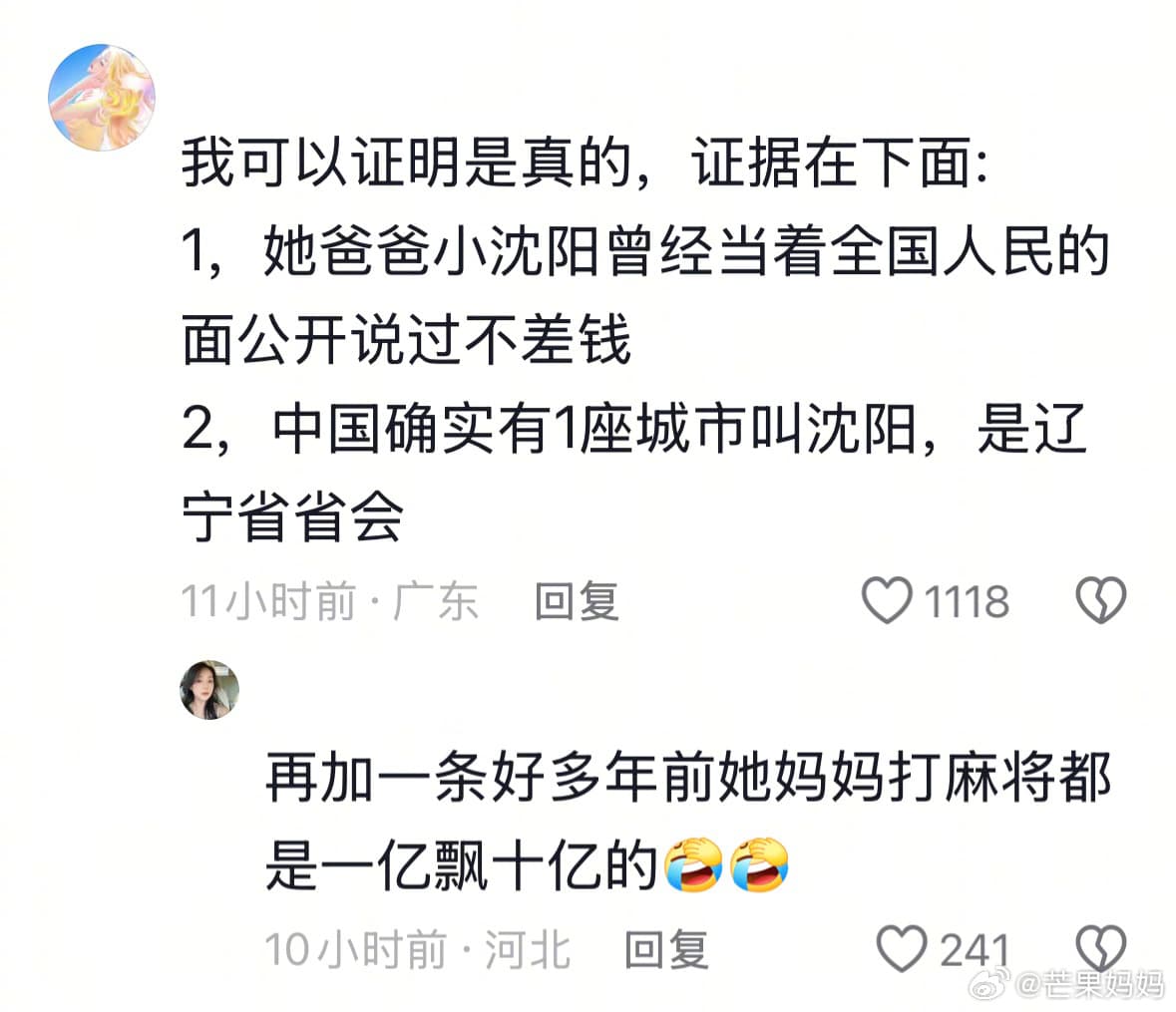
Beyond the humor, a handful of commenters praised Nina’s stage presence, noting how her confidence has grown and even comparing her potential trajectory to that of supermodel‑turned‑actress Gisele Bündchen: “After a few more years of precipitation, she can go the Gisele route… Her stage presence has matured a lot, becoming more calm and composed.”
The rapid spread of the meme highlights how deeply the chaebol archetype is embedded in Korean cultural consciousness. In South Korea, chaebols are more than just business conglomerates; they are a fixture of television dramas, movies and news commentary, frequently portrayed as symbols of both economic might and social inequality. When a foreign artist appears to have the trappings of wealth—whether real or imagined—Korean audiences instinctively slot her into that familiar narrative.
Sociologically, the episode underscores a broader fascination with upward mobility and privileged status. For many ordinary Koreans, the idea of a “chaebol heiress” conjures a world of privilege that feels both aspirational and unattainable. The joke, then, serves a dual purpose: it lets netizens playfully indulge in the fantasy of elite wealth while simultaneously mocking the absurdity of assuming such status based solely on a name.
Politically, the incident is a reminder of how the chaebol phenomenon continues to shape public discourse. Even a light‑hearted misunderstanding about a Chinese entertainer’s family background cannot be separated from the reality that chaebols wield outsized influence over South Korean politics, media and the economy. The fact that the notion of Nina as a “chaebol daughter” resonated—even as satire—testifies to the entrenched perception that significant influence in Korea typically stems from powerful family dynasties.

The story also illustrates the power of digital platforms in crafting and disseminating narratives, accurate or not. Within hours, a few comments on Weibo had spun a cross‑cultural myth that traveled back and forth between Chinese and Korean netizens, each side adding layers of humor and exaggeration. While mainstream media outlets gave the meme only passing mention, the online chatter itself became the primary source of its propagation, showcasing how social media can amplify misunderstandings into viral talking points.
In the end, the “Koreans thought Shen Jiarun was a chaebol’s daughter” meme is less about Nina’s actual family wealth than about the way a name, a moment of fame, and a cultural shorthand can intersect to produce a shared joke. It offers a window into how South Korean society perceives wealth, how Chinese netizens appropriate and reshape that perception, and how the internet continues to blur the lines between fact and playful fiction. As Nina’s career unfolds, the brief chaebol rumor will likely fade, but the episode remains a quirky case study in the modern dynamics of global pop culture, identity and the ever‑present allure of the elite.