Chinese Student Faces Expulsion After Draping Rising Sun Flag in Moscow University Class
A history student from Nanjing draped the Japanese Imperial Navy's rising sun flag in a Moscow State University classroom. Classmates stopped him, state media demanded zero tolerance, and the university is expected to expel and deport him.
The student, identified only as Chen, was in a history class at Moscow State University when classmates noticed the flag draped over his shoulders and a Japanese military cap placed on the desk in front of him. According to accounts from Chinese students who were present, he resisted when they intervened, and only recorded an apology video after several of them physically restrained him and demanded one. The university's Chinese students and scholars association said in a statement that it had immediately contacted the university, which has opened a formal investigation; sources cited by Chinese media say the school has given a verbal undertaking that Chen will be expelled and sent back to China.
What turned a classroom incident into a national controversy is not the flag alone but the identity of the man carrying it. Chen is from Nanjing, the city where Japanese troops massacred an estimated 300,000 civilians and surrendered soldiers in 1937 — a trauma that remains central to how China remembers the war. For many Chinese readers, a history student from that city draping the rising sun flag, the symbol of the Imperial Japanese military, reads not as an oversight but as a provocation. "Born in Nanjing, raised in Nanjing — the land beneath his feet is soaked in the blood of our fellow countrymen," one Weibo user wrote, adding that Chen had reportedly cursed his classmates in Japanese when they stopped him.
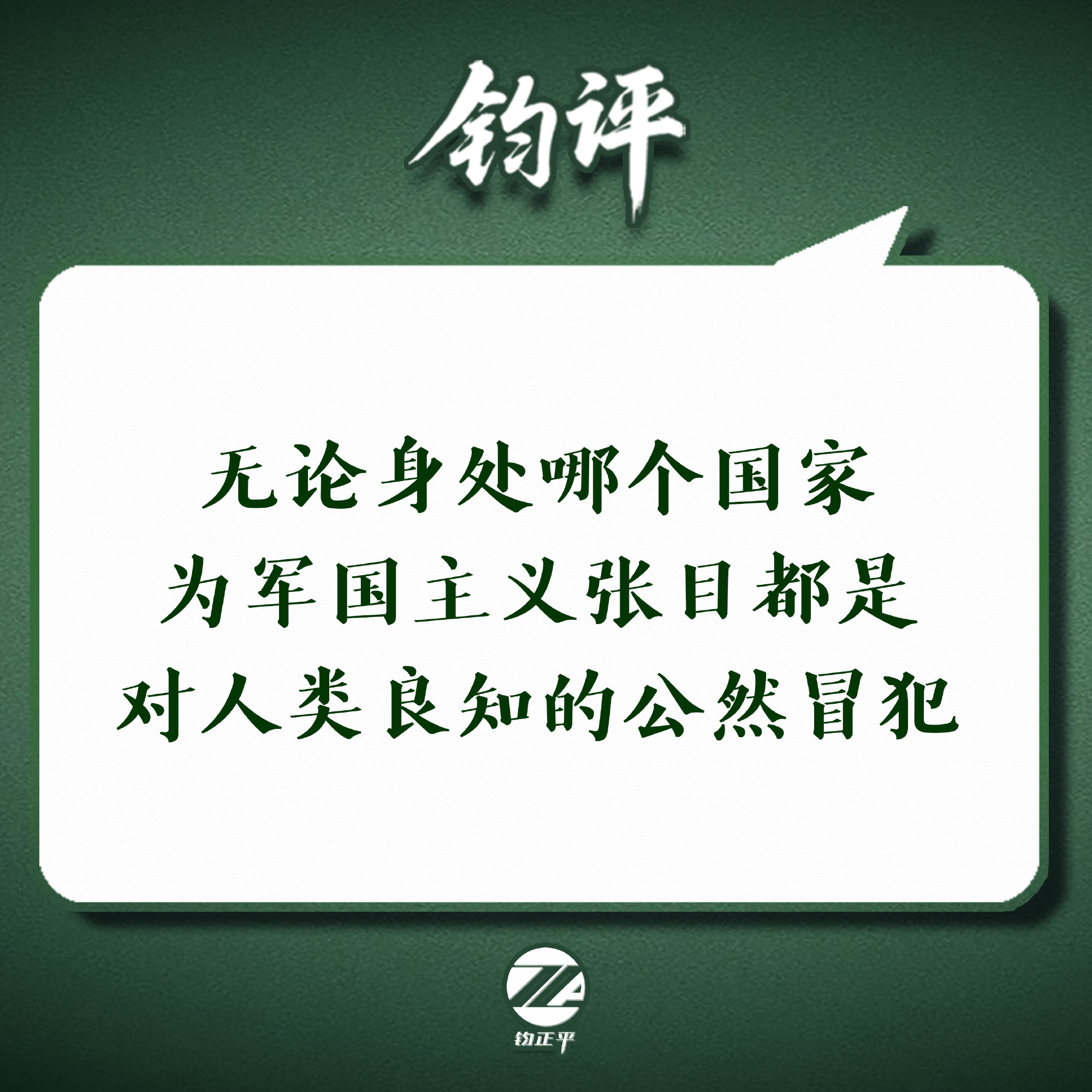
The official response came quickly and from the top of the media hierarchy. People's Daily published a commentary under its "People's Sharp Review" (人民锐评) banner titled "Zero Tolerance for 'Jingri' Words and Deeds," arguing that draping the flag "trivialises national suffering and offends historical justice." The PLA-affiliated commentary account Junzhengping put it more starkly: "Whichever country you are in, cheering for militarism is a blatant affront to human conscience."
The "jingri" (精日) label — literally "spiritually Japanese" — is a term of abuse for Chinese people seen as fetishising Japan while despising their own country, and the commentary went further than condemning one student. It described online groups that glorify the invasion, recalled the case of three teenagers who donated wartime artefacts to a museum in August and were then doxxed by jingri activists, and argued that such views spread through echo chambers that reinforce each other's biases.
Classmates and Chinese media have filled in a portrait that makes the apology harder to credit. Chen's WeChat avatar showed him in traditional Japanese dress, classmates say he repeatedly voiced support for Taiwanese independence to Russian teachers, and he had reportedly displayed the same flag in class on National Day itself. His defence — that the display was an academic demonstration — has found few takers. "As one Weibo commenter put it: studying history, from Nanjing, and he doesn't know what the rising sun flag means? This is not stupidity."
The episode has also become, in official framing, a story about the students who acted. State coverage has dwelt on the classmates who restrained Chen, collected evidence, filed a joint complaint and contacted the education office of the Chinese embassy. Whether the university carries through on the promised expulsion, and whether Chen faces any consequences at home, is the question the conversation will now track.