OpenAI CEO Concedes Company is on Wrong Side of History with AI Development Approach
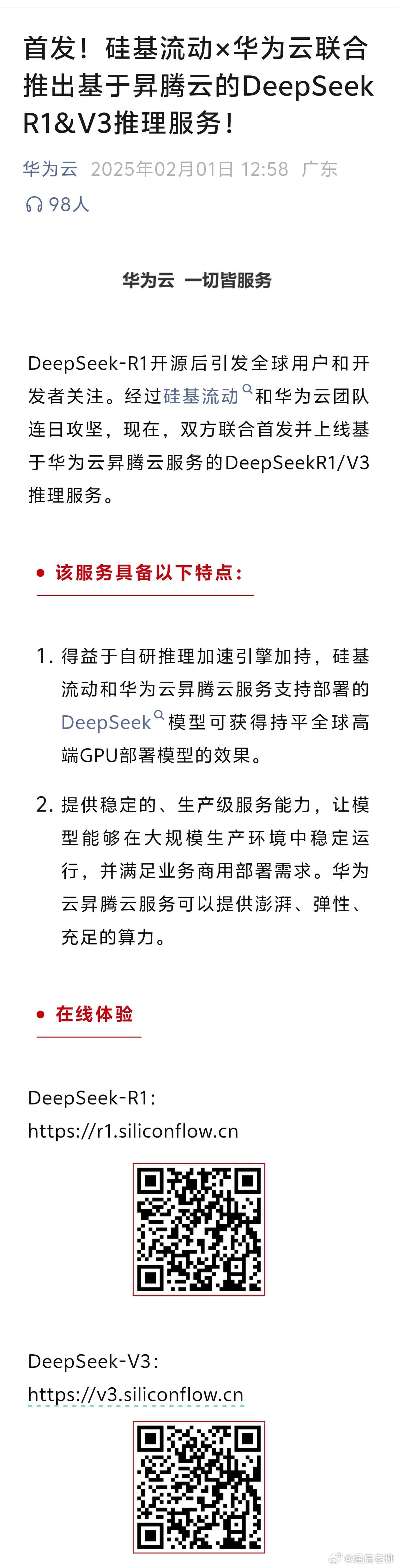
In a striking admission, Sam Altman, CEO of OpenAI, has conceded that his company is on the wrong side of history regarding its approach to artificial intelligence development. This revelation comes in response to the impressive advancements made by DeepSeek, a Chinese company that has successfully developed and open-sourced its AI models, challenging the traditionally closed approach adopted by OpenAI and Google. Altman's comments, made during a Q&A session on the social platform Reddit, underscore a significant moment of introspection for OpenAI, prompting wider discussions about the future direction of AI research and the strategies companies should adopt to drive innovation in the field.
1 February 2025
The acknowledgment by Altman that OpenAI stands on the "wrong side of history" suggests a growing recognition within the company of the potential benefits of open-source strategies, as epitomized by DeepSeek's model. This shift in perspective is noteworthy, given the dominant position OpenAI has held in the AI research landscape, particularly with its development of sophisticated language models. However, it also indicates that the company is facing increasing pressure and competition from entities embracing open-source approaches, which could democratize access to AI technologies and accelerate global innovation.
The recent success of DeepSeek has sent shockwaves through the tech industry, with many experts believing that open-source AI could be the future of the industry. As the world witnesses a major upheaval in the tech landscape, companies like OpenAI are being forced to reevaluate their approaches, with some arguing that the old closed-model paradigm may no longer be tenable in the face of rapid advancements in open-source technologies. The development of DeepSeek's model has been seen as a significant milestone, with major players like NVIDIA, Amazon, and Microsoft announcing integration with DeepSeek's models, suggesting that the traditional closed models employed by companies like OpenAI and Google may no longer be the dominant approach.

The implications of Altman's statement extend beyond the technical aspects of AI development, touching on issues of global competitiveness, innovation, and the socio-economic impacts of technological advancements. The rise of DeepSeek and other open-source AI initiatives signals a new era of global competition in AI, where traditional leaders like OpenAI and Google may face challenges from unexpected quarters. This transition underscores the need for adaptability, cooperation, and a willingness to embrace new strategies and technologies in order to stay ahead in the rapidly evolving AI landscape.

DeepSeek's founder, Liang Wenfeng, has become a focal point of attention, with his hometown in Guangdong Province, China, welcoming him back with banners and festivities. The company's success has sparked a discussion and reflection on the open-source and closed development models for artificial intelligence, with many experts weighing in on the potential benefits and drawbacks of each approach. As the AI field continues to evolve, the interplay between open-source and closed models will be crucial in determining the pace of innovation and accessibility of AI technologies.

In a candid admission, Altman acknowledged that OpenAI may need to develop a different open-source strategy, hinting at a potential shift towards a more collaborative and inclusive approach to AI research. This shift, if realized, could fundamentally alter the landscape of AI innovation, potentially leveling the playing field for smaller companies and research institutions to contribute meaningfully to the field. The fact that industry leaders like NVIDIA, Amazon, and Microsoft are embracing open-source AI solutions suggests that the traditional closed models may no longer be the dominant approach, and that a new era of cooperation and collaboration may be on the horizon.
As the world watches the rapid evolution of the AI landscape, one thing is clear: the future of AI will be shaped by the choices made by companies like OpenAI, DeepSeek, and other industry leaders. Whether they choose to embrace open-source approaches or stick with traditional closed models, the impact on global innovation, competitiveness, and socio-economic development will be significant. As Altman's admission suggests, the recognition of the potential benefits of open-source AI development is growing, and it may be only a matter of time before the industry as a whole shifts towards a more collaborative and inclusive approach to AI research.
Comments


Share this article
Related Articles
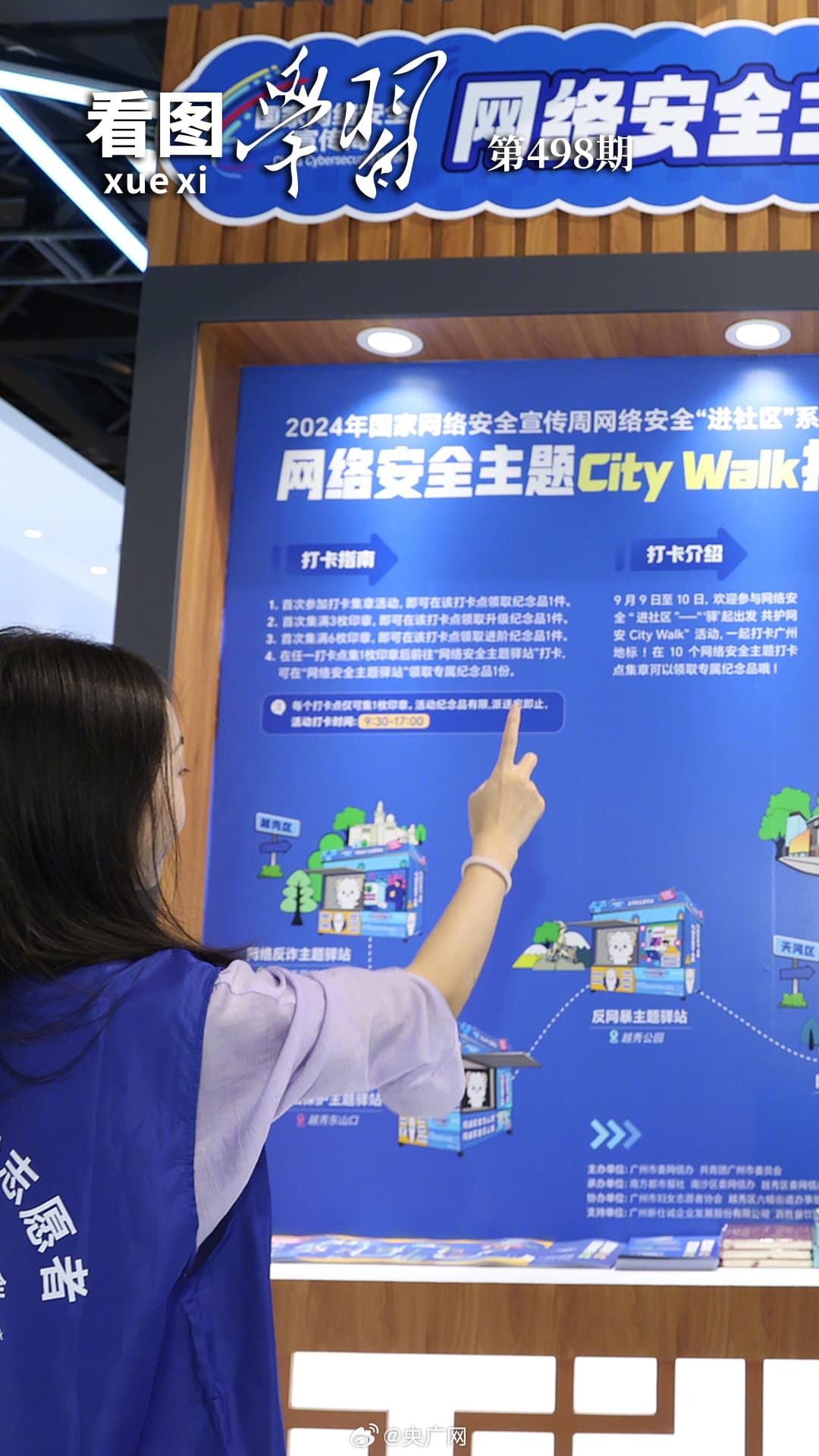
Xi Jinping Elevates Cybersecurity to Core National‑Security Pillar, Driving China’s Quest for a Cyber Superpower
By Trending on Weibo
News & Politics
15 Sept 2025
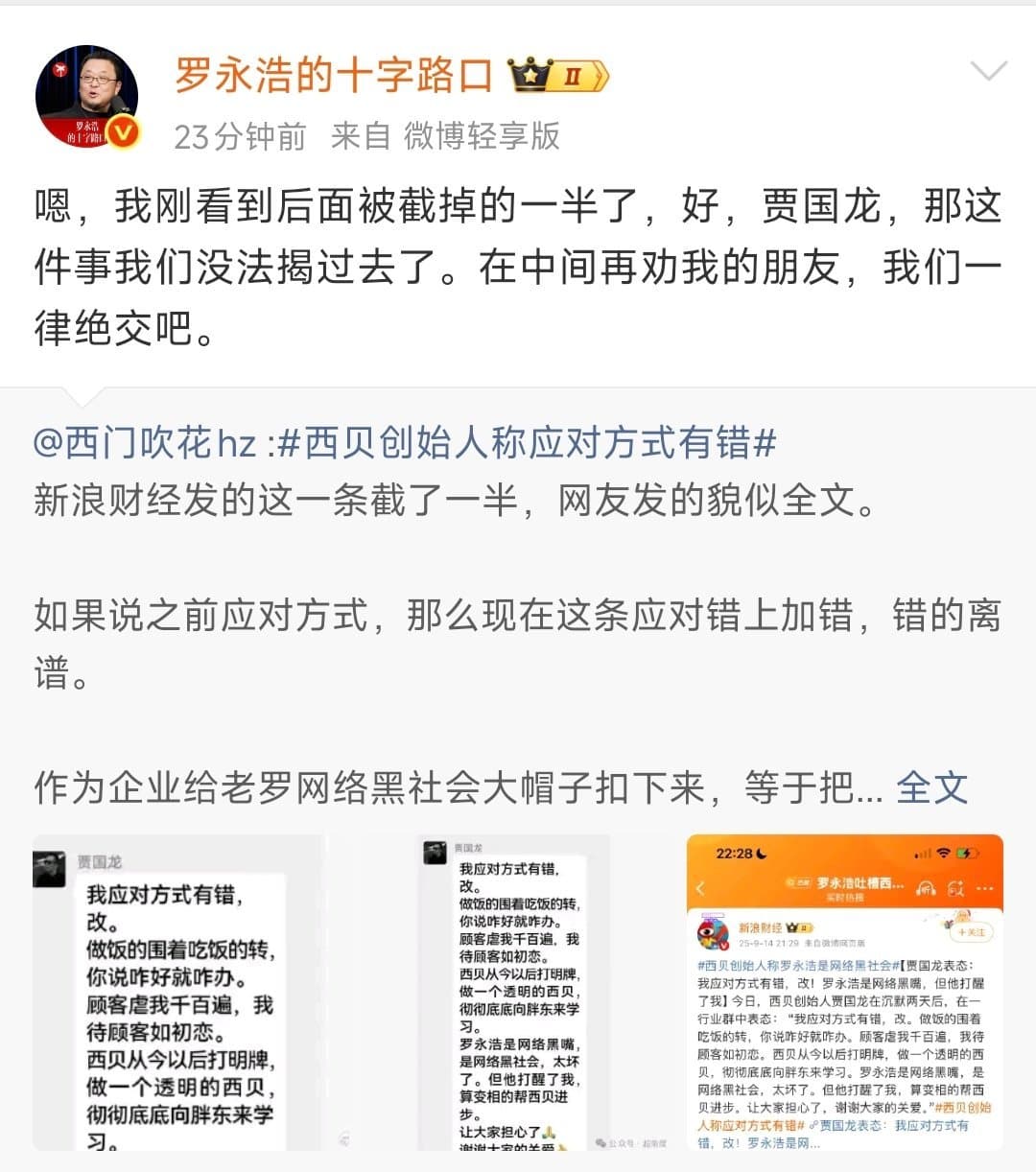
Luo Yonghao vs. Xibei: Celebrity Entrepreneur Sparks Media Storm Over Pre‑Made Dishes and Calls for Transparency
By Trending on Weibo
News & Politics
15 Sept 2025
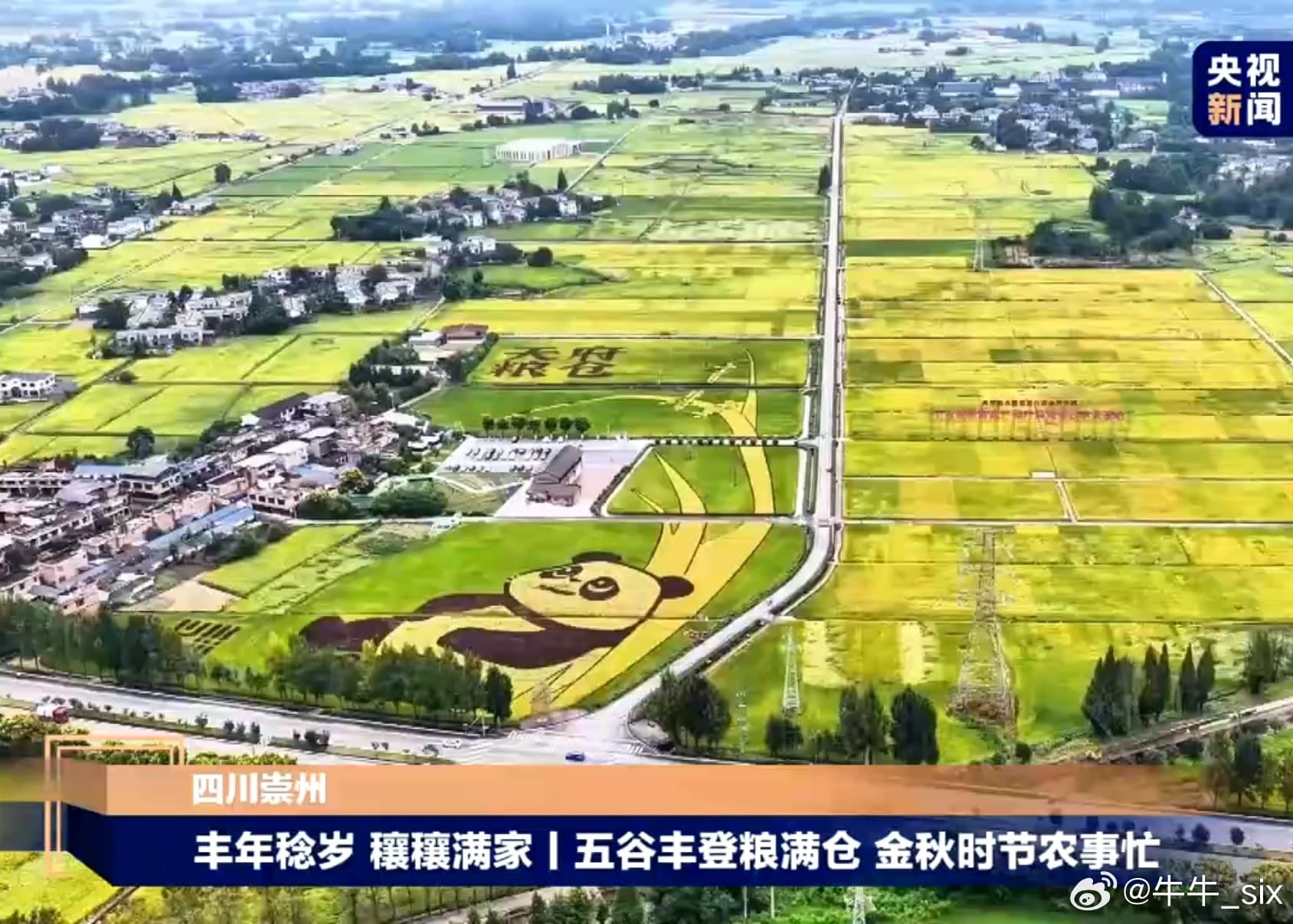
Weibo Celebrates Autumn Harvest as China’s Fields Become the Nation’s Most Beautiful Canvas
By Trending on Weibo
News & Politics
15 Sept 2025
China Enacts First Comprehensive Rental Regulations to Legalize and Stabilize the Rental Market
By Trending on Weibo
News & Politics
15 Sept 2025
Beijing’s Weather Emerges as a Barometer for China’s Climate Policies and Public Life
By Trending on Weibo
News & Politics
13 Sept 2025