Plagiarism Accusations Surround Black Myth: Wukong, Stirring Debate on Cultural Ownership
The Backlash Against "Black Myth: Wukong"
25 August 2024
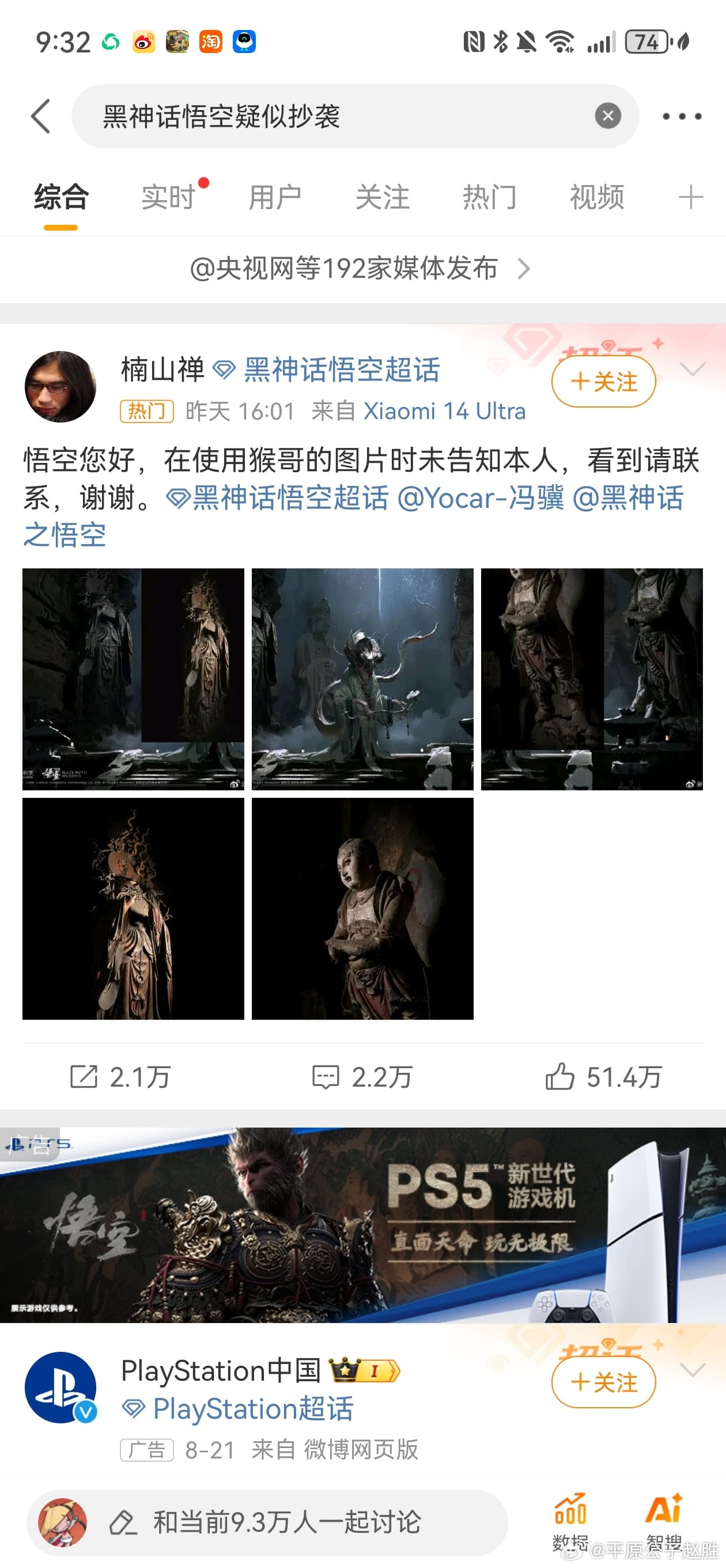
The Chinese video game "Black Myth: Wukong" has been mired in controversy after accusations of plagiarism surfaced on social media. The game, which has received widespread critical acclaim and commercial success, has been accused of borrowing ideas and artwork from other sources without proper credit or permission.
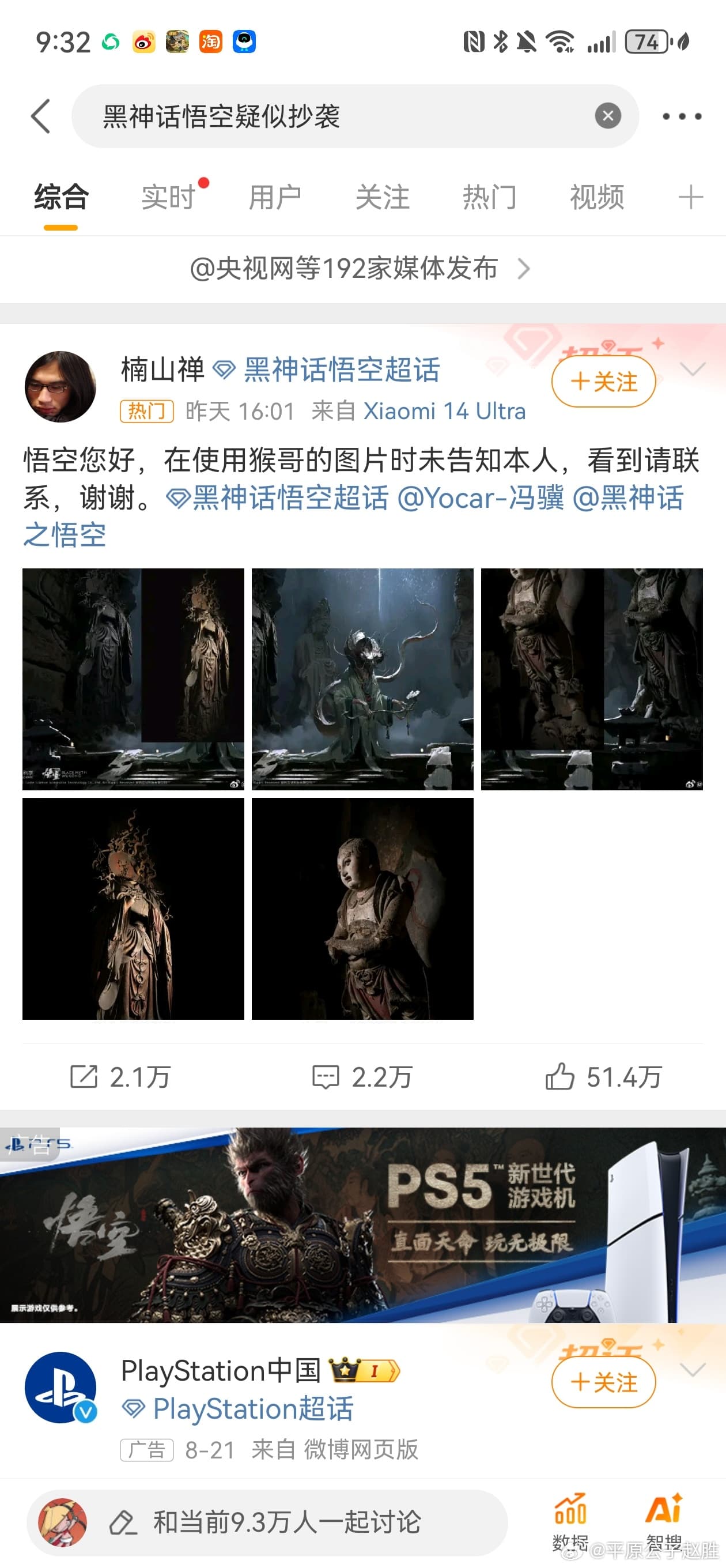
The accusations, which range from allegedly stealing concepts and characters from traditional Chinese mythology to allegedly using others' photographs and artwork without permission, have sparked a heated debate on social media about the nature of creativity and originality in the gaming industry. Some have defended the game's developers, arguing that all creative works borrow from existing sources and that the real issue is the cultural sensitivities and financial interests of certain individuals and groups. Others have expressed outrage and disappointment, arguing that the game's extensive borrowings without proper credit and compensation amount to intellectual property theft.
At the heart of the controversy is a question of cultural ownership and the perils of using historical and mythological material in modern media productions. The fact that "Black Myth: Wukong" has been accused of borrowing from both Chinese mythology and Hollywood-style fantasy films has only added to the debate, with some arguing that all creative works must somehow engage with the past while others see this as mere theft.
The controversy has sparked a wider debate about the prevalence of plagiarism in the gaming industry, with some commentators pointing out that the game's developers had always touted "Black Myth: Wukong" as an original work, despite seemingly drawing inspiration from other sources. Other critics have pointed out that the game's developers may have borrowed from other artists, including photographers, without obtaining the necessary permissions or giving proper credit.
The game's developers have yet to respond to the allegations, which has sparked a wider conversation about the need for greater transparency and accountability in game development, as well as the importance of respecting the intellectual property rights of other creators. The backlash against "Black Myth: Wukong" has been intense, with some critics calling for the game to be taken down or for the developers to be held accountable for any alleged plagiarism.
However, others have defended the game, arguing that the criticism is unfair and that the game's developers are being unfairly targeted. Some commentators have pointed out that Japanese games such as "Dragon Ball" and "Romance of the Three Kingdoms" have borrowed heavily from Chinese mythology and folklore, without ever being accused of plagiarism.
As the debate rages on, it remains to be seen how the game's developers will respond to these allegations. Will they be able to prove that their work is original, or will they be forced to acknowledge the influence of other artists? Only time will tell.
The controversy has also drawn attention to the broader issue of intellectual property rights in the gaming industry, with some commentators arguing that the lines between borrowing and plagiarism are often blurred. The incident has sparked a wider conversation about the need for greater transparency and accountability in game development, as well as the importance of respecting the intellectual property rights of other creators.
Some netizens believe that the root of the issue lies in a desire to suppress the success of Chinese cultural products, particularly in the gaming industry. They argue that certain individuals and groups are uncomfortable with the idea of Chinese games achieving global recognition and acclaim, and are therefore attempting to discredit and sabotage "Black Myth: Wukong" through unfounded accusations of plagiarism.
Ultimately, the controversy surrounding "Black Myth: Wukong" reflects a deeper struggle for cultural recognition and respect in the global arena. As China continues to produce high-quality cultural products that resonate with audiences around the world, it is likely that these kinds of debates will continue to arise.
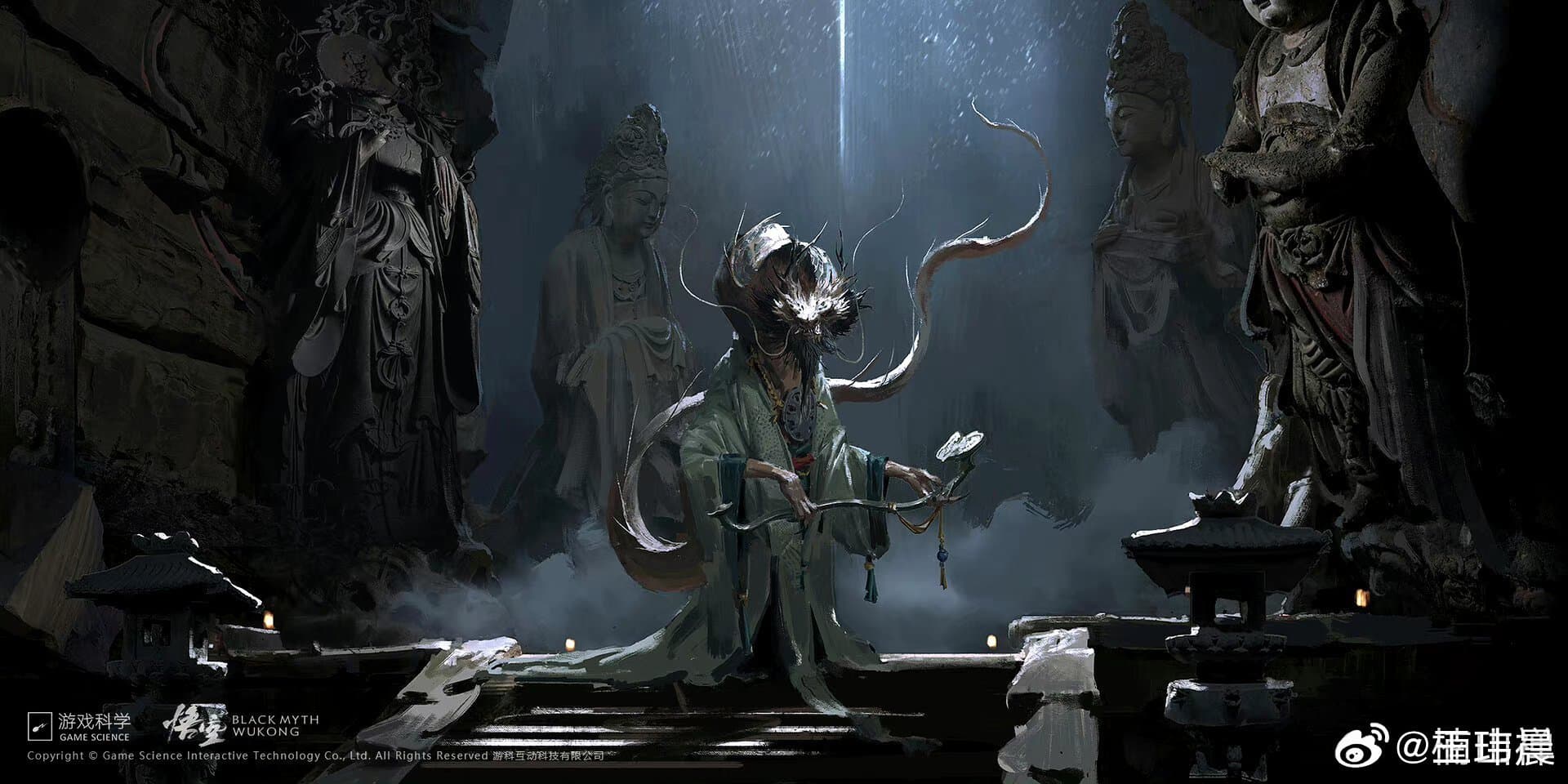
Netizens have varying opinions on the matter, with some expressing skepticism about the accusations. "Can't even use a similar pose without being accused of plagiarism?" one user asked. Others, however, are more critical, arguing that the similarities are too striking to ignore. "Unless the game developers can produce evidence that their illustration was created before 2012," one user wrote, "it's hard to shake off the feeling that they borrowed someone else's work."
The controversy has sparked a heated debate on social media, with some defending the game's creative liberties and others calling for greater accountability. While the game's developers have yet to respond to the allegations, the incident has raised important questions about the boundaries of creativity and the importance of proper attribution in the gaming industry.
The backlash against "Black Myth: Wukong" has sparked a wider conversation about the role of domestic and international forces in suppressing Chinese games and cultural products. Many Chinese netizens believe that the controversy is not just about plagiarism, but about the fear of Chinese culture and products gaining global recognition and popularity.
One netizen pointed out that the criticism of "Black Myth: Wukong" is not isolated, but rather part of a larger pattern of suppressing Chinese games and cultural products. "The same people who attacked '三体' (The Three-Body Problem), '流浪地球' (The Wandering Earth), '战狼' (Wolf Warrior), Huawei phones, and BYD cars are now attacking '黑神话悟空'." These individuals, the netizen claimed, believe that Chinese people should stick to consuming Western cultural products and technology, and that any attempt to create something original and successful should be met with disdain and criticism.
These comments highlight the frustrations and concerns of many Chinese netizens, who feel that their country's cultural and technological achievements are being unfairly targeted and suppressed by domestic and international forces. They see the criticism of "Black Myth: Wukong" as part of a larger pattern of oppression, designed to stifle Chinese creativity and innovation.
Share this article
Related Articles

Ruby Lin Says She and Wallace Huo Are Still “Adjusting” After Seven Years, Igniting Viral Debate on Celebrity Marriages
By Trending on Weibo
Entertainment
15 Sept 2025

“Too Much Qi”: A Light‑hearted Joke on ‘Sisters Who Make Waves’ Sparks Celebrity Smear Campaign, Wellness Debate and Online Meme Frenzy in China
By Trending on Weibo
Entertainment
15 Sept 2025
Li Ronghao’s Tour Surge, New Video Release, and NFC Album Glitch Spotlight Quality‑Control Challenges in China’s Pop Scene
By Trending on Weibo
Entertainment
13 Sept 2025
Mu Zhicheng Emerges as TF Entertainment’s Hottest Trainee Amid Viral Social‑Media Surge and Anticipated Debut
By Trending on Weibo
Entertainment
13 Sept 2025
China’s Emerging Acting Sensation Zhang Kangle Poised for High‑Profile Film, Fashion, and Digital Stardom
By Trending on Weibo
Entertainment
13 Sept 2025