Poisoned Children Tragedy Ignites Nationwide Debate Over China’s “Cooling‑Off” Divorce Policy and Domestic‑Violence Protections
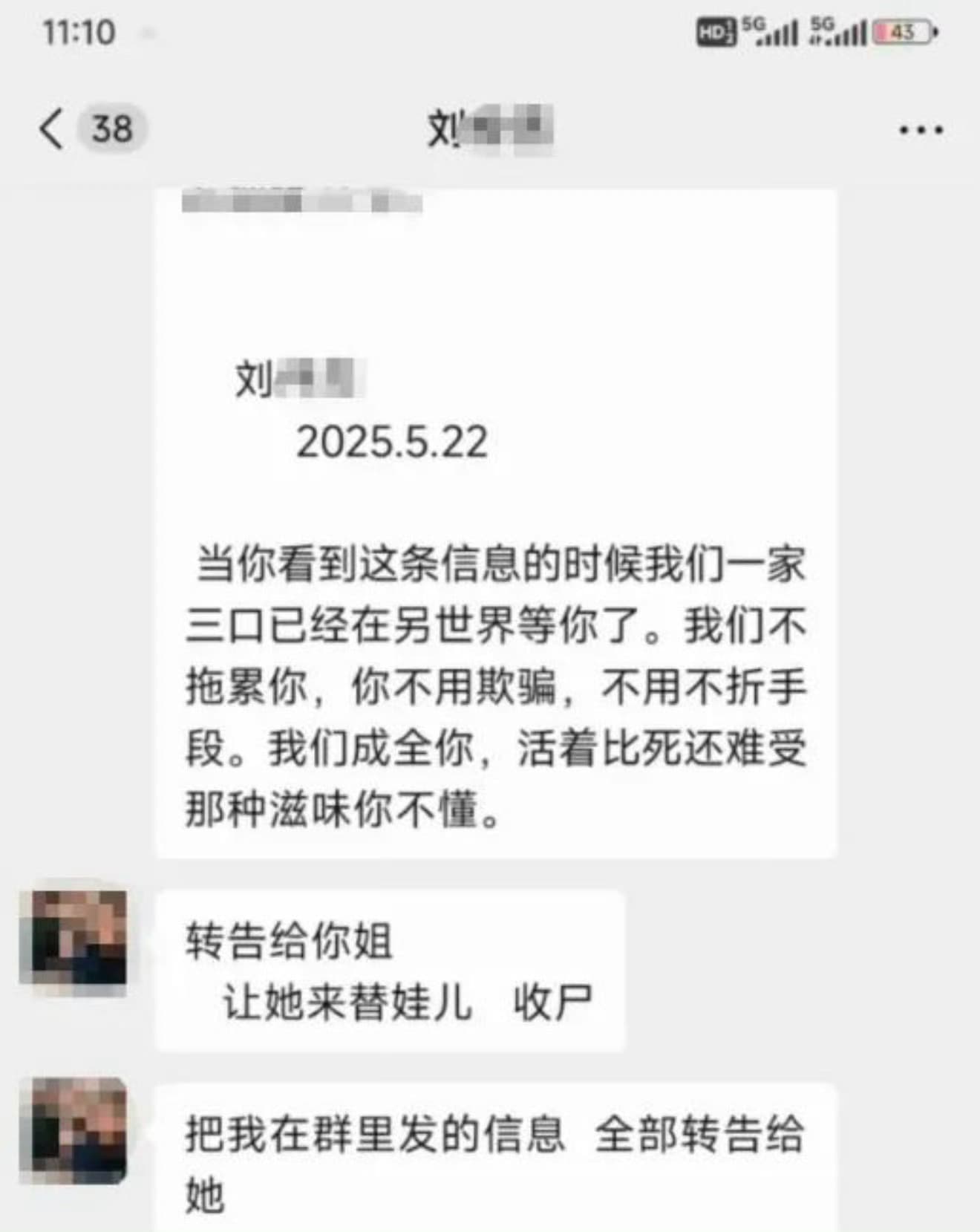
The tragic murder of two young children in Fenggang County, Guizhou province, has sent shockwaves through China’s online community and revived a fierce debate over the nation’s recent “cooling‑off” divorce policy. According to the children’s maternal uncle, Mr. Huang, the father, Liu Mou, not only poisoned his two children but also left a chilling message in a family group chat demanding that his own relatives “collect the bodies.” The case, which will be heard on August 21 at the Fenggang County People’s Court, has become a flashpoint for criticism of domestic‑violence protections, the handling of divorce disputes and the societal pressures that can drive a desperate man to such an extreme act.
20 August 2025
On May 20, 2025, Liu Mou and his wife, Ms. Huang, went to the local civil affairs bureau to sign a divorce agreement. The paperwork marked the end of a tumultuous marriage characterised by repeated episodes of abuse. Ms. Huang, who had already reported Liu’s violence to the Longquan police station on several occasions, had tried to protect herself and her children by seeking, but the process required a mandatory “cooling‑off” period that left the couple in limbo.
The following day, the situation spiralled out of control. After a brief respite in which Liu took the children out for a meal and posted a cryptic caption – “the last madness” – on social media, he turned violent again. According to Ms. Huang’s testimony, Liu choked her, bound her hands, and brandished a bottle of dichlorvos, a highly toxic pesticide, telling her he wanted to die together. She managed to free herself, fled the home and called the police. Investigators later found that Liu had purchased three bottles of the pesticide that afternoon.
At approximately 2 a.m. on May 21, Liu consumed the poison himself and administered the pesticide to his two children, aged three and five. He then posted a suicide note in his family’s group chat, a digital gathering place for relatives that had become a grim stage for his final act. In the note he allegedly wrote that members of his own side of the family should “collect the bodies,” a phrase that Chinese netizens translated as “收尸” – a callous demand that has sparked outrage across the platform Weibo.
Mr. Huang, who discovered the message, has spoken to several media outlets, including Red Star News and Cover News, detailing the abuse his sister endured and the systemic failures that allowed it to continue. He says Ms. Huang had repeatedly called the police, but Liu’s pleas for forgiveness and the lack of decisive intervention left her trapped in a cycle of violence for the sake of the children. “She stayed because she wanted a future for the kids,” Mr. Huang told reporters, “and every time she called for help, the response was insufficient.”
The aftermath of the poisoning was a scene of horror. When Ms. Huang returned to the rented house on May 23, she described a strong smell of pesticide, torn pillowcases, vomit and scattered belongings strewn across the floor. Neighbours downstairs, who had never heard the family’s name before, now refuse to go upstairs, fearing the house’s grim history. The property remains locked, its door draped in cobwebs, a stark reminder of the tragedy.
The public reaction has been swift and visceral. Users on Weibo have condemned Liu’s actions, expressed deep sympathy for the children and their mother, and lambasted the “cooling‑off” divorce period as a policy that can exacerbate, rather than mitigate, domestic conflict. Many argue that the mandatory waiting period, intended to lower divorce rates, may instead trap vulnerable individuals in dangerous relationships, giving abusers more time to plot retaliation. Others have seized on the phrase “最后的疯狂” (“the final madness”) that Liu used online, lamenting that the warning signs were clear yet went unheeded.
Calls for reform have echoed throughout the comments sections. Victims’ advocates point to the repeated police reports filed by Ms. Huang as evidence of a systemic shortfall: “The law says we protect victims, but the reality is a bureaucratic maze where abusers can slip through,” one commentator wrote. There are demands for stricter enforcement of domestic‑violence statutes, more robust monitoring of divorce proceedings, and better training for law‑enforcement officers to respond to repeated calls for help.
The case now moves to the courtroom. Liu Mou, who is currently in police custody, will face charges of homicide and poisoning. The trial, set for August 21 at the Fenggang County People’s Court, is expected to draw national attention, not only for the brutal facts of the crime but also for the broader questions it raises about how Chinese society and its legal system handle family breakdowns and intimate‑partner violence.
As the nation awaits the verdict, the story of the poisoned children and the unsettling message left in a family chat continues to fuel a painful conversation about protection for the most vulnerable, the unintended consequences of policy, and the urgent need for a more responsive, compassionate legal framework. The hope expressed by Ms. Huang’s brother, who is seeking justice for his niece and nephew, is that this tragedy will finally prompt the changes needed to prevent another “final madness” from unfolding behind closed doors.
Share this article
Related Articles
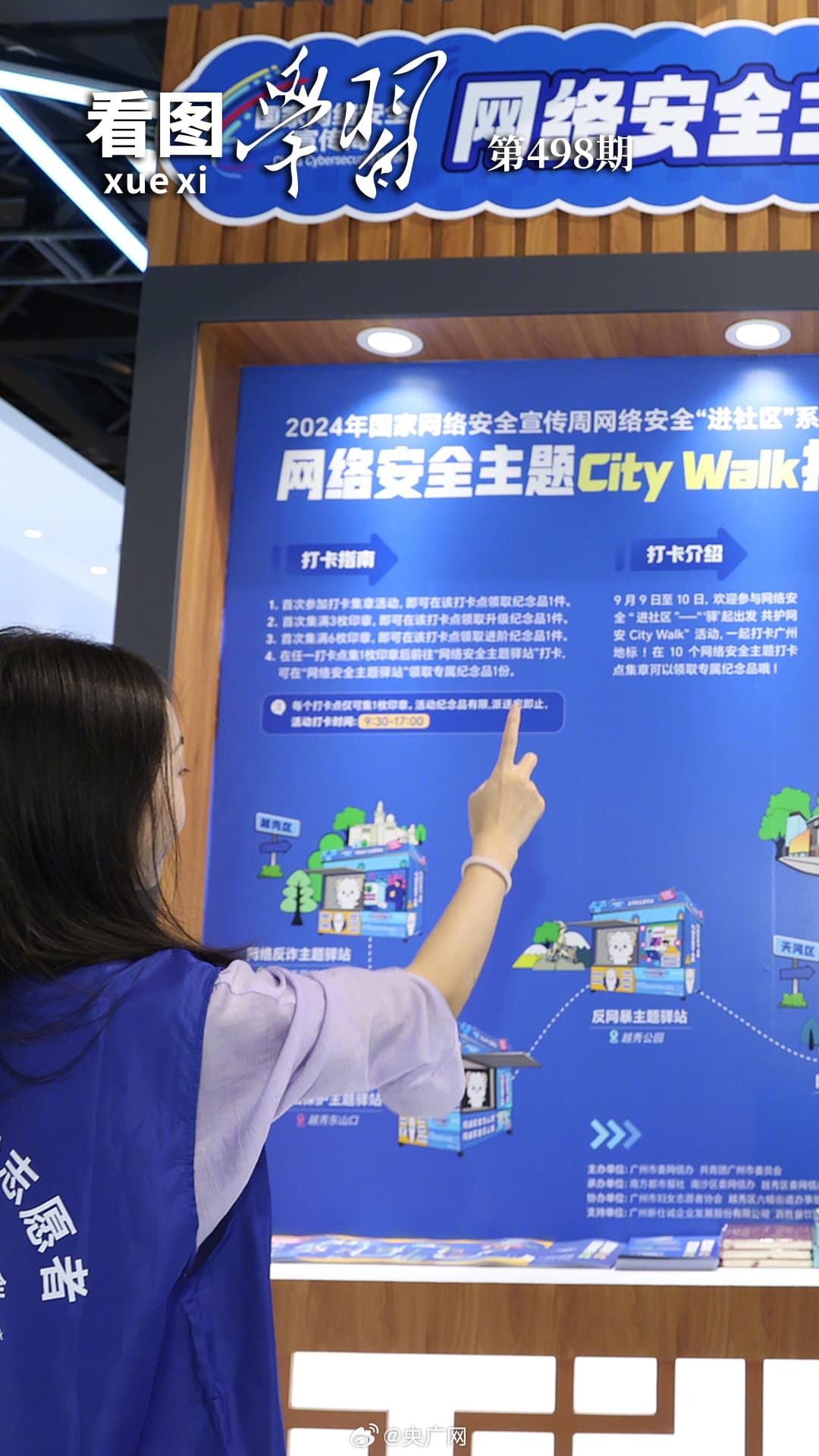
Xi Jinping Elevates Cybersecurity to Core National‑Security Pillar, Driving China’s Quest for a Cyber Superpower
By Trending on Weibo
News & Politics
15 Sept 2025
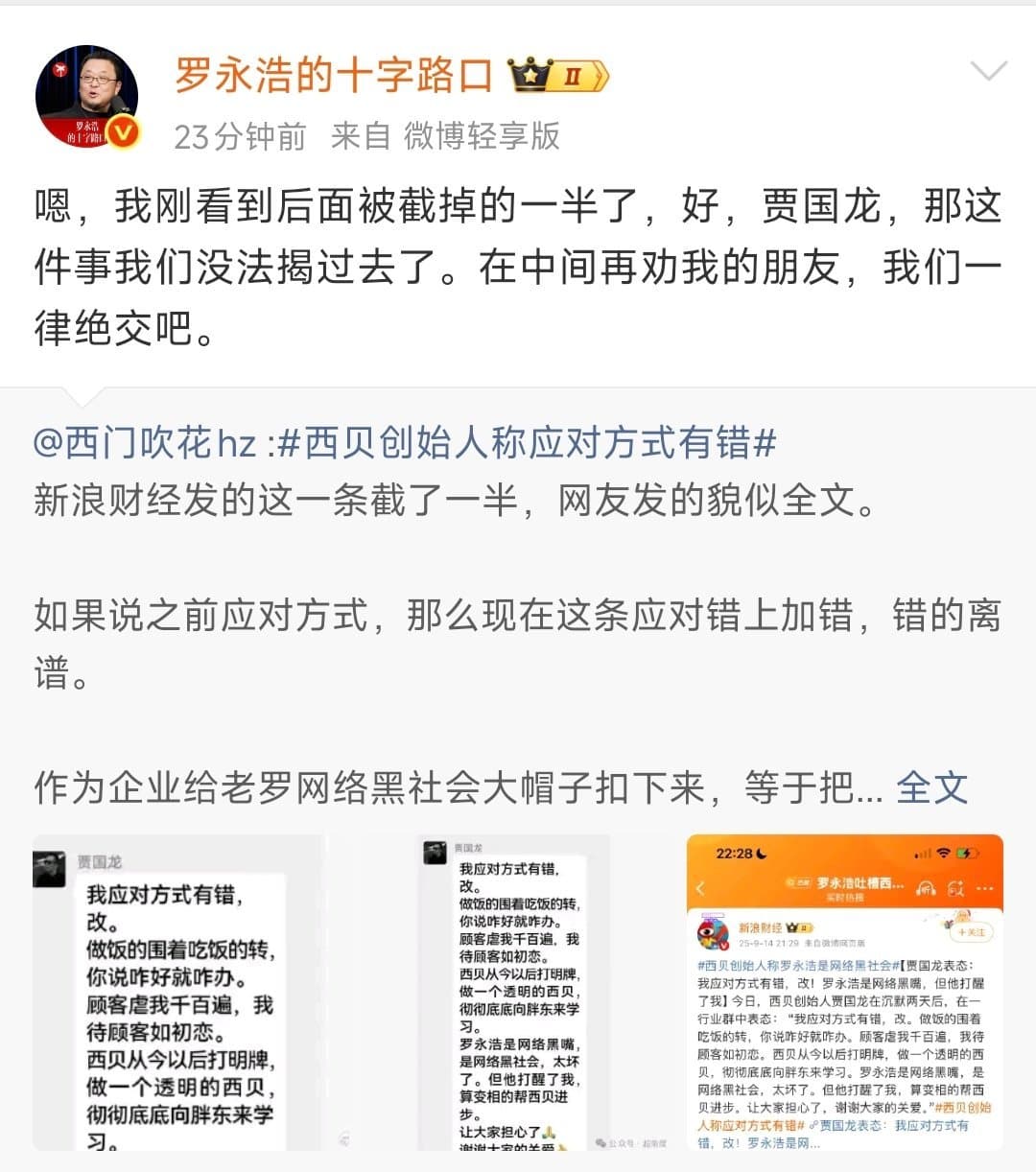
Luo Yonghao vs. Xibei: Celebrity Entrepreneur Sparks Media Storm Over Pre‑Made Dishes and Calls for Transparency
By Trending on Weibo
News & Politics
15 Sept 2025

Weibo Celebrates Autumn Harvest as China’s Fields Become the Nation’s Most Beautiful Canvas
By Trending on Weibo
News & Politics
15 Sept 2025
China Enacts First Comprehensive Rental Regulations to Legalize and Stabilize the Rental Market
By Trending on Weibo
News & Politics
15 Sept 2025
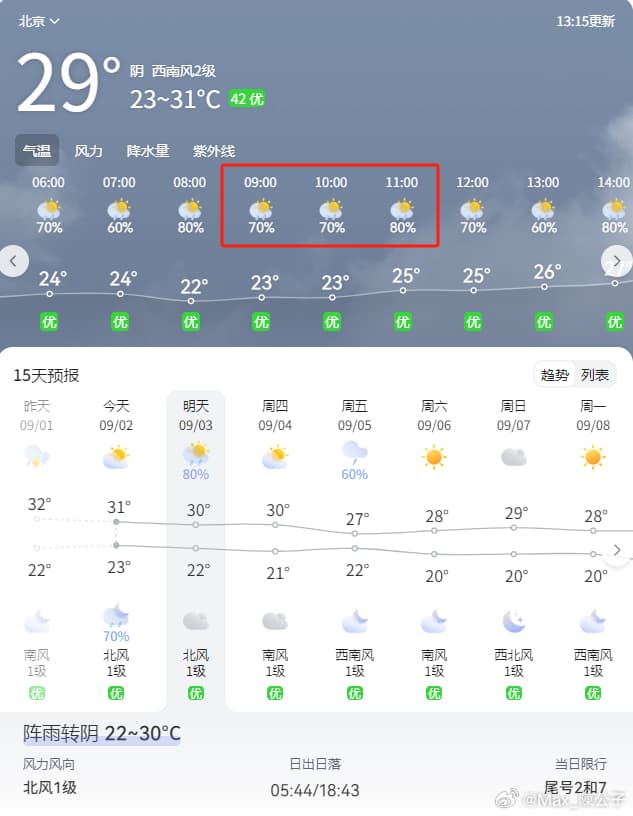
Beijing’s Weather Emerges as a Barometer for China’s Climate Policies and Public Life
By Trending on Weibo
News & Politics
13 Sept 2025