Porsche Owner’s Double-Parking Sparks Nationwide Debate on Privilege and Public Etiquette
On August 25, 2025, a video that quickly went viral on China’s leading social network Weibo captured a scene that sparked a firestorm of online debate: a woman behind the wheel of a Porsche slotted her car across two parking spaces and then, when a neighboring driver parked correctly, confronted the man and demanded an apology for what she called a “long‑time delay.” The exchange, recorded by by‑standers and reposted by accounts such as Beijing Time and Nanshe Shenlan, offered a vivid snapshot of the friction that can erupt when privilege, public etiquette and urban scarcity collide.
29 August 2025
The driver, identified only as a “Porsche female owner” in the posts, had clearly double‑parked, a maneuver that not only wastes valuable curbside real estate but also forces other motorists to navigate around an obstructed space. When the nearby driver, whose car was parked within a single marked spot, approached, the Porsche driver reportedly said, “You’ve delayed me for a long time, you need to apologize to me.” The video showed the two vehicles side by side, the Porsche owner’s tone confrontational, the other driver’s expression a mix of confusion and restraint. Within hours, the clip amassed thousands of views, likes and a torrent of commentary that ranged from humor to outright condemnation.
Chinese netizens seized on the incident as a telling illustration of perceived entitlement among the affluent. A particularly resonant remark read, “Whether you can afford a Porsche has little to do with intelligence,” echoing a sentiment that material success does not automatically confer common sense or courtesy. Users mocked the driver’s self‑importance, quipped that the car’s price tag did not exempt her from basic parking rules, and called for a public apology. The phrase “保时捷女车主停车一车占两位” – literally “Porsche female car owner parks one car occupying two spaces” – was retweeted and altered into catchier versions such as “The female Porsche driver double‑parked” and “A woman driving a Porsche took up two parking spots,” each iteration reinforcing the narrative of immaturity masquerading behind a luxury badge.
Beyond the immediate outrage, the episode highlights larger challenges for the automotive industry, especially premium manufacturers whose brand equity rests not only on engineering excellence but also on an aspirational lifestyle image. Porsche, long celebrated for its performance pedigree, now finds its reputation vulnerable to the conduct of a single owner whose actions may be extrapolated, however unfairly, to the brand as a whole. In an era where social media can amplify any misstep into a global conversation, luxury automakers must grapple with the paradox of selling symbols of status while also stewarding the perception that those symbols are not synonymous with social responsibility. Crisis‑communication experts point out that a swift, measured response—whether a public statement from Porsche emphasizing courteous driving or a partnership with road‑safety campaigns—could mitigate potential damage and even turn the incident into a teachable moment.
The social dimension of the story cannot be ignored. Urban centers across China continue to battle a chronic shortage of parking, forcing drivers to compete for every inch of asphalt. In cities where the ratio of vehicles to available spaces is tightening, a single instance of double‑parking can cascade into a chain reaction of frustration, traffic slow‑downs and, as witnessed, verbal confrontations. The Weibo backlash underscores a growing public appetite for fairness and shared responsibility, especially when perceived privilege appears to trample communal norms. Comments on the post repeatedly invoked ideas of a “social contract” and demanded that wealthier citizens respect the same rules that govern everyday commuters.
Politically, the incident may seem trivial, but it feeds into a broader discourse on social inequality and governmental responsiveness. Chinese authorities have, in recent years, taken steps to curb traffic violations through digital monitoring and hefty fines, yet enforcement can appear uneven, and high‑profile cases like this one attract disproportionate attention. When a well‑known luxury vehicle becomes the focal point of a public spat, it can amplify feelings that the system tolerates, or at least does not adequately address, the misbehavior of the affluent. Such perceptions, amplified by the rapid amplification capabilities of platforms like Weibo, have the potential to erode trust in local governance if left unaddressed.
The incident also illustrates the power of everyday citizens to shape the narrative. Neither traditional news outlets nor official police reports initially covered the story; it was a user‑generated video that propelled the episode onto the national stage. The speed with which the clip spread—and the intensity of the subsequent commentary—reflects a digital ecosystem where individual actions, even seemingly minor ones, can become symbolic flashpoints for broader societal anxieties. In this environment, brands, city planners, and policymakers alike must be attuned to the cultural undercurrents that can transform a parking dispute into a conversation about dignity, equity, and the stewardship of public space.
As of now, no formal apology has been issued by the driver, and local authorities have not released an official statement regarding any penalties. Whether the Porsche owner will face a fine, a public reprimand, or simply a wave of online scorn remains to be seen. What is clear, however, is that the episode has become a touchstone for discussions about privilege, responsibility, and the limits of personal entitlement in a crowded, modern metropolis. In a society where a single act of double‑parking can ignite a national debate, the lesson may be less about the make of the car and more about the universal expectation that everyone—regardless of the badge on the hood—shares the road, and the space, equally.
Share this article
Related Articles

Xi Jinping Elevates Cybersecurity to Core National‑Security Pillar, Driving China’s Quest for a Cyber Superpower
By Trending on Weibo
News & Politics
15 Sept 2025
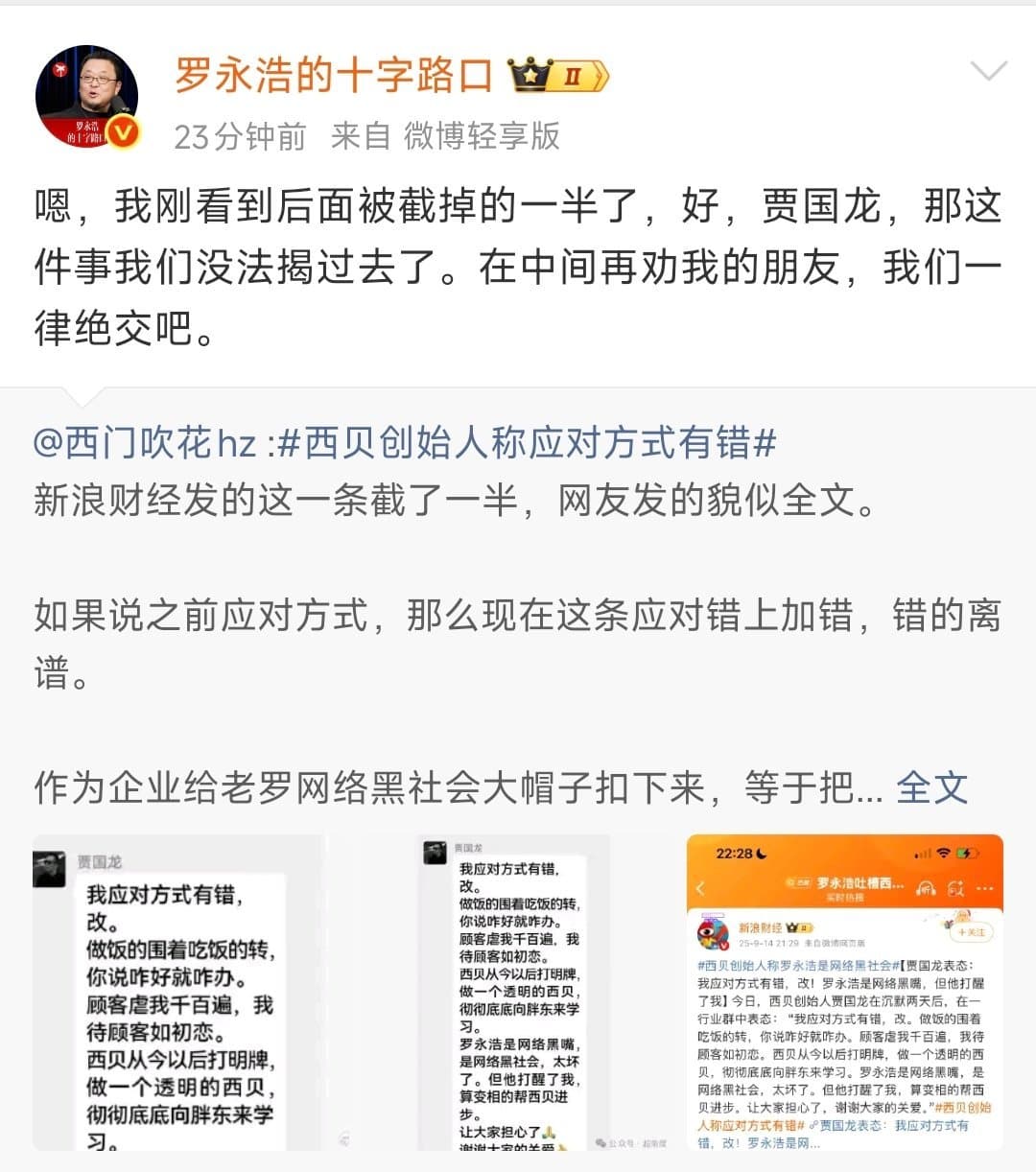
Luo Yonghao vs. Xibei: Celebrity Entrepreneur Sparks Media Storm Over Pre‑Made Dishes and Calls for Transparency
By Trending on Weibo
News & Politics
15 Sept 2025

Weibo Celebrates Autumn Harvest as China’s Fields Become the Nation’s Most Beautiful Canvas
By Trending on Weibo
News & Politics
15 Sept 2025
China Enacts First Comprehensive Rental Regulations to Legalize and Stabilize the Rental Market
By Trending on Weibo
News & Politics
15 Sept 2025
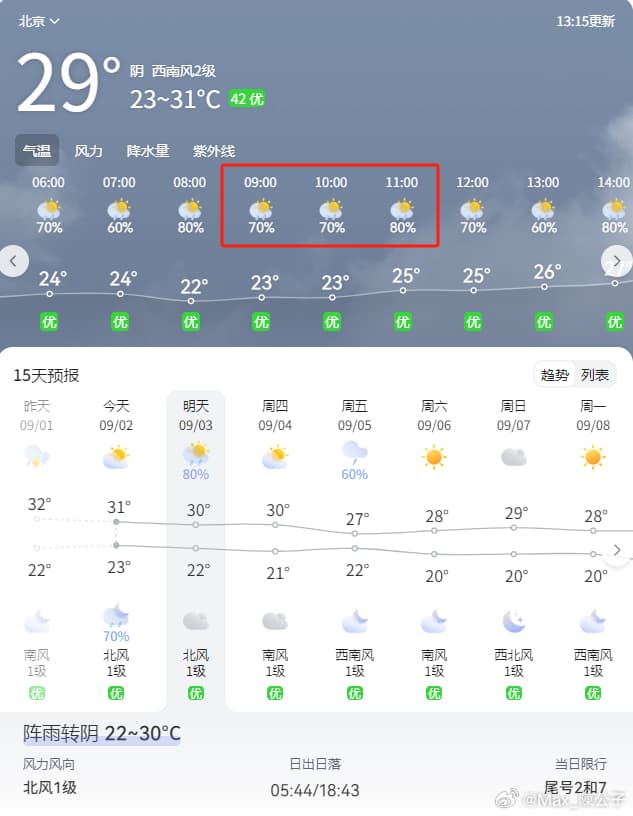
Beijing’s Weather Emerges as a Barometer for China’s Climate Policies and Public Life
By Trending on Weibo
News & Politics
13 Sept 2025