Teen Idol Ding Chengxin’s Solo Turn Signals a New Wave of Individual Artistry in Chinese Pop Music
A new wave of individual artistry is rippling through the Chinese pop‑music scene, and one of its most visible exponents is teenage idol Ding Chengxin. Better known to Mandarin‑speaking fans as “丁程鑫,” the 21‑year‑old singer‑dancer first rose to fame as a member of the boy group Rookie T, but recent solo appearances suggest a deliberate shift toward personal expression that mirrors broader changes in the industry.
20 August 2025
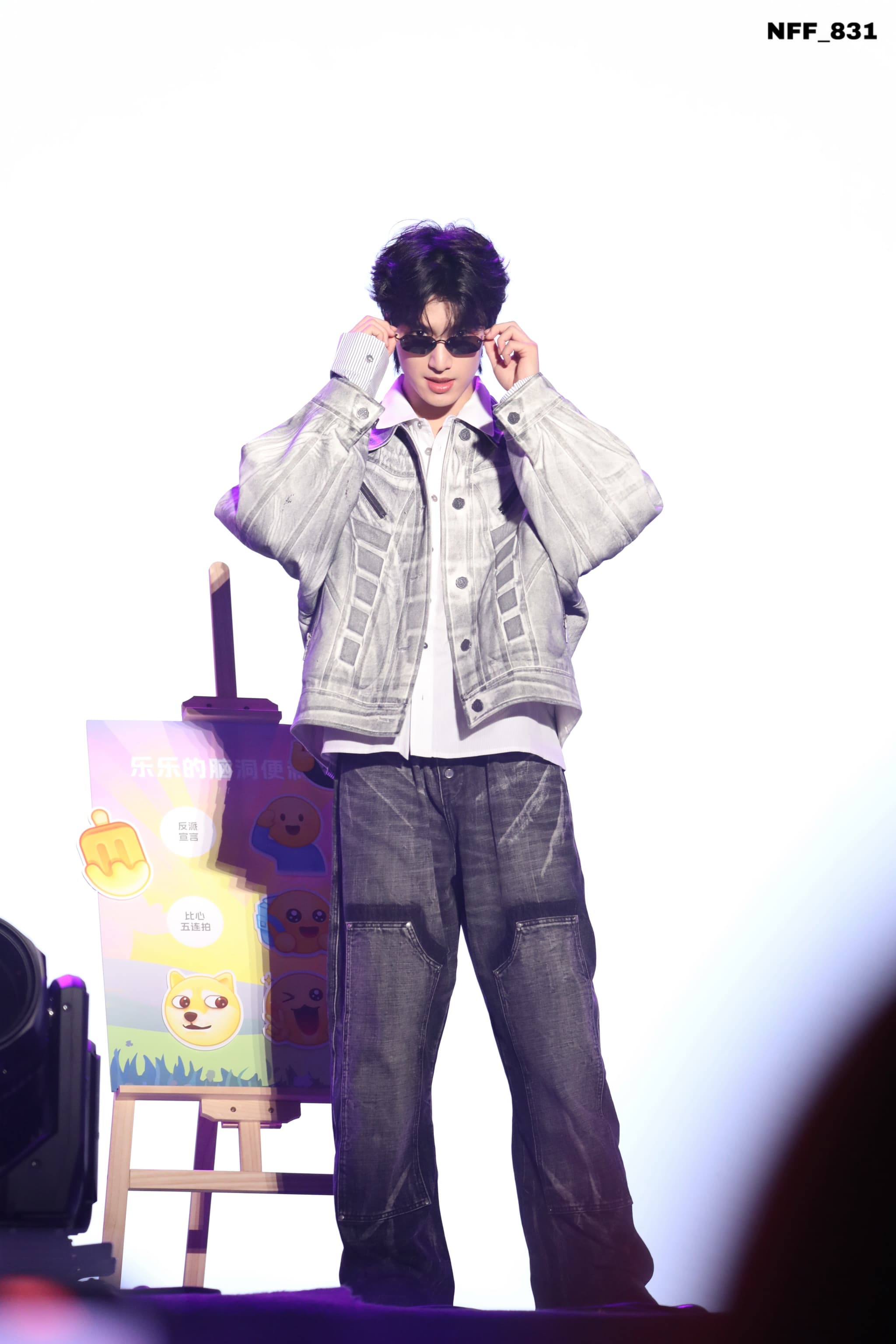
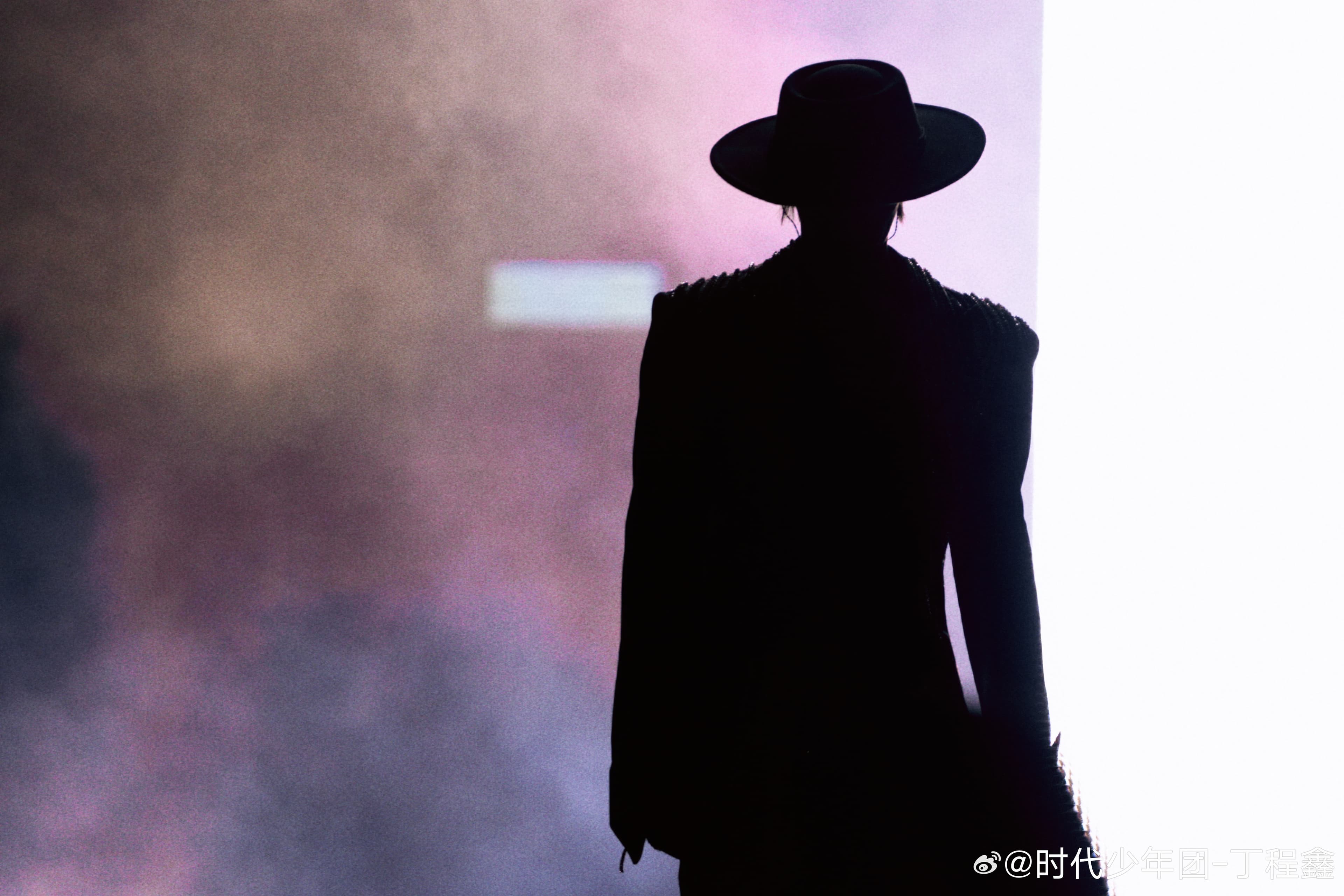
The most recent evidence of this pivot comes from a solo stage performed during the “造夏” (Creation Summer) music‑sharing events in August 2023. Ding debuted a heartfelt number titled “眼泪” (Tears), a ballad that showcased both his vocal growth and his capacity to command a stage without the safety net of his group. Earlier, back in January 2016, a brief dance solo hinted at his willingness to step out of the ensemble format, but the 2023 performance marks the clearest statement of artistic independence to date.
Fans have responded with the kind of enthusiasm that fuels the modern Chinese entertainment economy. A flood of “reaction” videos—most notably to his solo piece “#芥”—has populated platforms such as Bilibili and Weibo, where enthusiastic commentators praise the evolution of his singing technique, his charisma, and his acting chops. Feedback gathered from October 2020 already noted “significant progress in singing, excellent stage presence and good acting,” a sentiment that has only deepened with each subsequent solo outing.
The digital conversation, while difficult to quantify in real time, leans overwhelmingly positive. Phrases like “舞台触发共鸣,让魅力穿透文化差异” (the stage triggers resonance and charm that transcends cultural differences) appear repeatedly in fan posts, underscoring a belief that Ding’s personal appeal can bridge linguistic and regional gaps. Hashtags such as #丁程鑫眼泪舞台 and #丁程鑫你好星期六 have trended during his appearances on the variety show “你好星期六” (Hello Saturday), further cementing his status as a solo magnet for engagement.
Culturally, Ding’s trajectory reflects a growing appetite for diversified artistic personas. As idols break away from the tightly choreographed group format, they not only explore personal creativity but also expand the market’s cultural palette, offering audiences a broader spectrum of styles and narratives. This diversification can have ripple effects beyond entertainment; it contributes to China’s soft‑power strategy by cultivating cultural ambassadors whose individual stories resonate globally. Young fans, in particular, often view such moves as an implicit endorsement of forging unique paths within traditionally hierarchical structures.
Politically, the shift is subtle yet significant. While state media seldom comment on pop‑culture trends, the nurturing of home‑grown talent capable of international appeal aligns with broader cultural policy goals. Artists who can stand alone on a stage—and, by extension, on a global platform—are valuable assets in the nation’s effort to project a modern, creative image abroad.
Looking ahead, Ding’s schedule hints at continued solo activity. References to upcoming appearances on “你好星期六” suggest that the variety show will remain a venue for him to test new material. Though no singular “solo stage preview” event has been announced, the pattern of regular solo performances within group concerts, music‑sharing festivals, and television variety slots indicates that his individual brand is far from a one‑off experiment.
In sum, Ding Chengxin’s solo ventures are emblematic of a larger industry evolution: an embrace of personal artistry that satisfies a fan base hungry for authenticity, enriches the cultural landscape, and subtly bolsters China’s cultural outreach. As the young star continues to unlock solo stages, both his supporters and observers will be watching to see how far his individual shine can travel.