Typhoon Lingling Forms, Targets Japan While Chinese Netizens Breathe a Sigh of Relief】
Typhoon Lingling, the twelfth tropical system of the 2025 Pacific season, officially attained typhoon status early Thursday morning, China’s Central Meteorological Observatory announced at 8 a.m. local time. The storm, named by Hong Kong’s meteorological committee – “Lingling” meaning a girl’s name – has already attracted a flood of commentary on Chinese social media, where the hashtag #台风玲玲已生成# (“Typhoon Lingling formed”) has been trending.

21 August 2025
In the West, forecasters are watching Lingling’s slow drift east‑southeast at roughly five to ten kilometres per hour. After a rocky start that saw its precursor low‑pressure system falter and nearly abort, the system reorganised just north of the East China Sea and was upgraded from a tropical depression to a tropical storm this morning. By late afternoon, satellite imagery confirmed a well‑defined eye, and the China Meteorological Administration (CMA) upgraded it to a typhoon. The latest models show Lingling making landfall along the coast of Kagoshima, Japan, later today, with winds in the low‑to‑moderate typhoon range and little expected change in intensity.
The forecast has sparked a distinct mix of relief, humor and detached observation among Chinese netizens. A common thread in Weibo posts is the palpable sense of “we’re safe” – users posted comments such as “预计未来对咱中国没啥影响” (“It’s expected to have no impact on us in China”) and “很显然这个台风🌀玲玲是冲着小日子去的” (“It’s clear this Typhoon Lingling is heading straight for Japan”). For many, the storm’s trajectory is a welcome excuse to breathe easy after weeks of heat and heavy rain across southern China.

That relief quickly turned into a dose of schadenfreude for some. Snarky remarks peppered the feed, ranging from the tongue‑in‑cheek “每年到了这个时间节点都会有一场只席卷小日子的台风” (“Every year around this time there’s a typhoon that only sweeps over Japan”) to a more pointed jab: “如果风力大一些能把岛上那个靖国神厕吹没了就好了” (“If the wind were stronger, it would be great if it could blow away the Yasukuni Shrine on the island”). While such comments are clearly not meant as policy statements, they illustrate the cultural distance and occasional rivalry that surface when a natural threat spares a neighboring country.
Other posts simply noted the storm’s name and its lyrical quality. One user wrote, “这个台风🌀名字很少女很中国好好听诶” (“This typhoon’s name sounds very girlish and distinctly Chinese – it’s pleasant”). A handful of commenters made pop‑culture connections, likening Lingling to characters from popular anime: “夏洛特玲玲,bigmom,感觉有点凶” (“Charlotte Lingling, Big Mom – feels a bit fierce”). Meanwhile, locals in Guangzhou and other Chinese cities continued to discuss their own day‑to‑day weather, underscoring that, despite the distant drama, everyday concerns remain rooted at home.
Meteorologists on both sides of the Taiwan Strait have been quick to explain the storm’s “turbulent” birth. The CMA’s official bulletin described the system as “充满了波折” – “full of twists and turns” – noting that the low‑pressure area struggled to consolidate before finally drawing in enough moisture and convection to meet the criteria for a tropical storm. Analysts like @weatherman_信欣 on Weibo have posted graphics showing the storm’s pressure drop and the brief period when it seemed to be on the verge of dissipation, only to rebound as it approached the warm waters off Japan.
No impact is expected for Taiwan, and the CMA’s outlook for mainland China remains unchanged: light to moderate rain in the south, with no direct threats from Lingling’s wind field. Japanese authorities have issued evacuation advisories for low‑lying coastal communities in Kagoshima prefecture, and the Japan Meteorological Agency (JMA) predicts that the system will weaken after landfall, though heavy rainfall could trigger localized flooding and landslides.
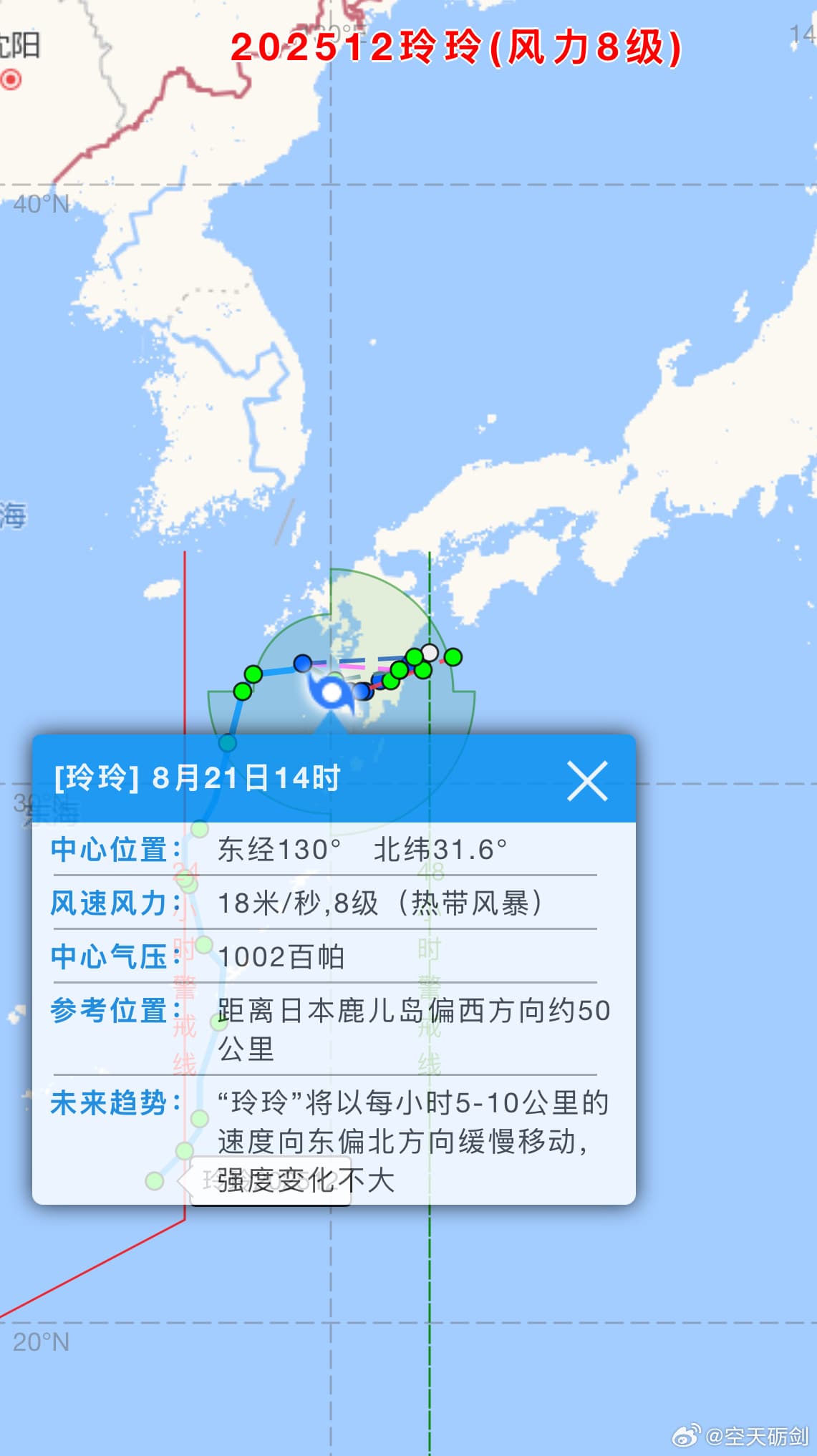
As the afternoon unfolds, the focus will shift from the internet’s light‑hearted banter to real‑time updates from the JMA, CMA and local emergency services. For the people of Japan, Typhoon Lingling is a concrete concern; for many in China, it is a storm that, at least this time, stays on the other side of the sea, offering a brief moment of collective sigh of relief and a reminder of how weather continues to bind and divide us across borders.
Share this article
Related Articles

Xi Jinping Elevates Cybersecurity to Core National‑Security Pillar, Driving China’s Quest for a Cyber Superpower
By Trending on Weibo
News & Politics
15 Sept 2025
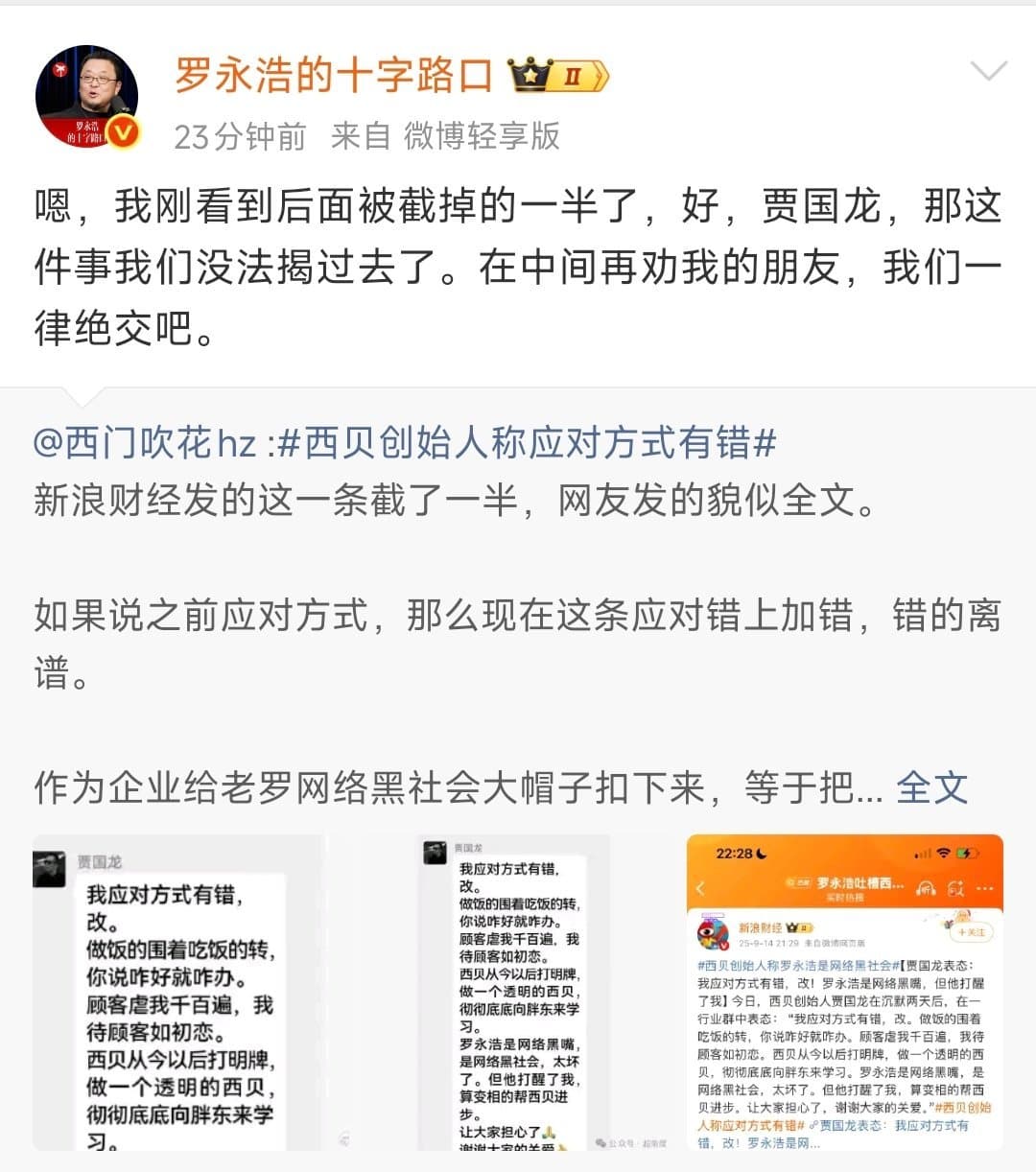
Luo Yonghao vs. Xibei: Celebrity Entrepreneur Sparks Media Storm Over Pre‑Made Dishes and Calls for Transparency
By Trending on Weibo
News & Politics
15 Sept 2025
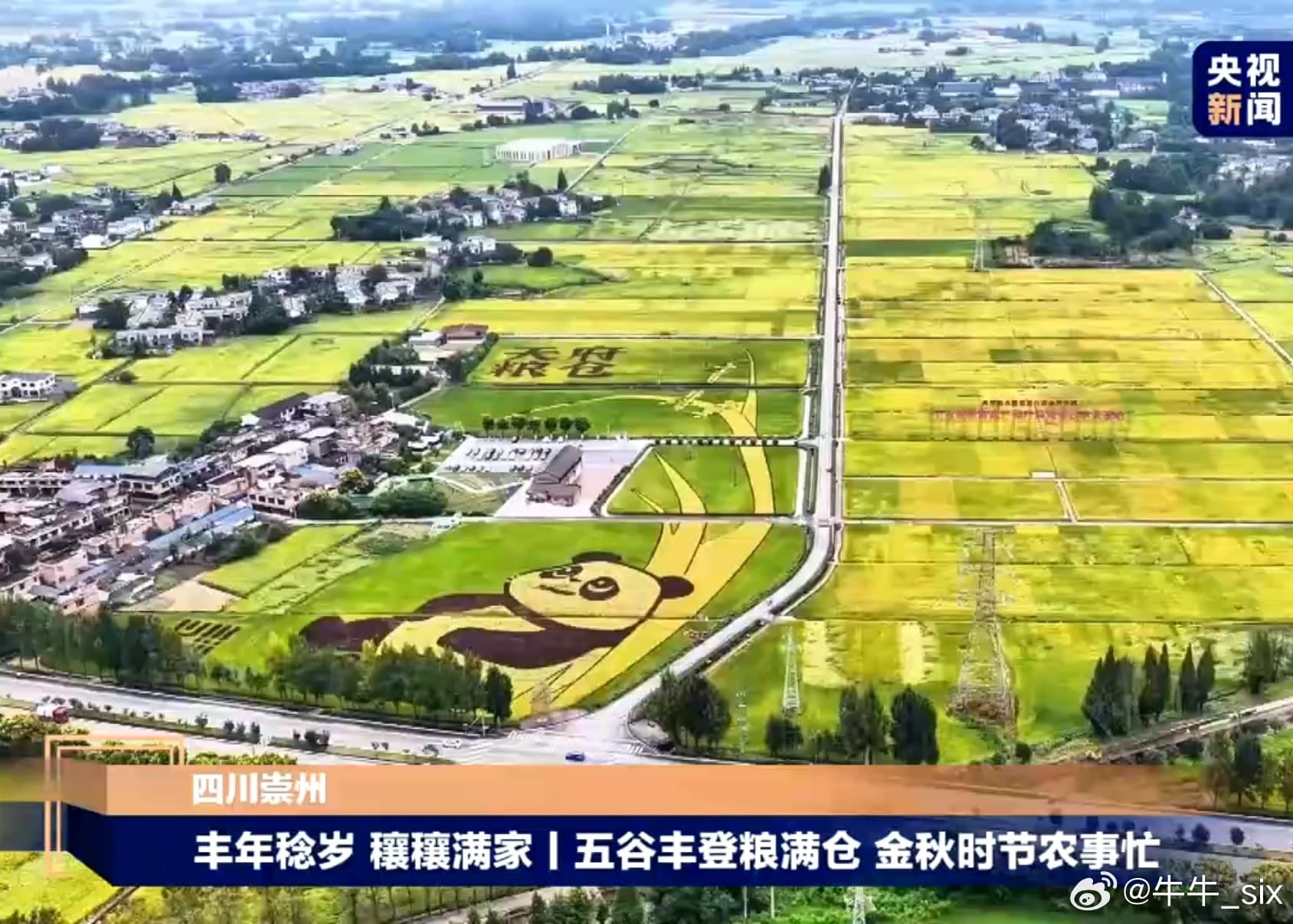
Weibo Celebrates Autumn Harvest as China’s Fields Become the Nation’s Most Beautiful Canvas
By Trending on Weibo
News & Politics
15 Sept 2025
China Enacts First Comprehensive Rental Regulations to Legalize and Stabilize the Rental Market
By Trending on Weibo
News & Politics
15 Sept 2025
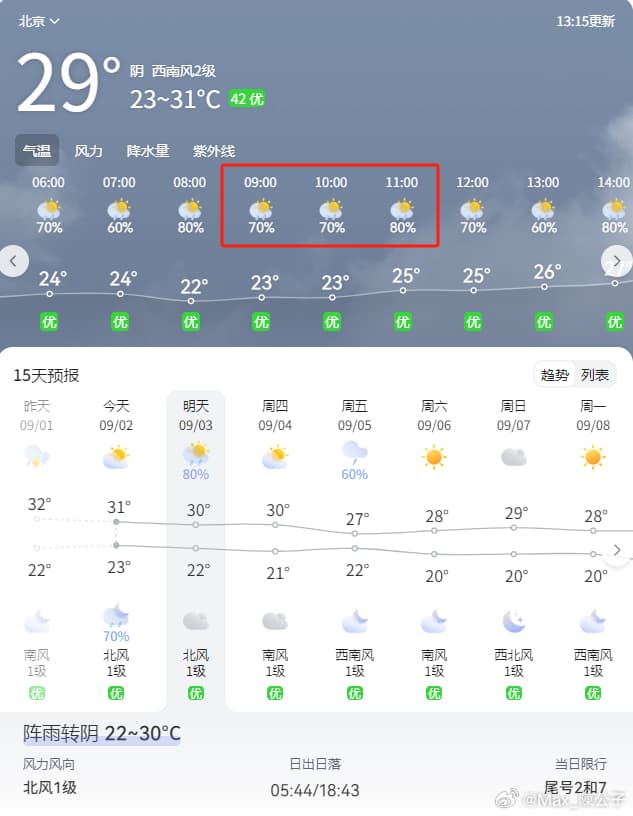
Beijing’s Weather Emerges as a Barometer for China’s Climate Policies and Public Life
By Trending on Weibo
News & Politics
13 Sept 2025