US Takes Aim at DeepSeek Amid Security and Intellectual Property Concerns
The US Navy has issued a warning to its personnel, advising them to avoid using DeepSeek models due to "potential security and ethical concerns." US officials have also labeled DeepSeek as "stealing" and launched a national security investigation into its impact. The White House AI and cryptocurrency czar stated that there is evidence that DeepSeek has distilled OpenAI's knowledge into its model, which has not pleased OpenAI.
30 January 2025
This controversy began after the DeepSeek model, launched by a Chinese artificial intelligence startup, surged to the top of the US Apple App Store's free download chart, sparking widespread discussion and security concerns. The model's success can be attributed to its innovative approach and competitive pricing, with its cost being only a fraction of what similar models from OpenAI offer. This significant difference in pricing, combined with its impressive capabilities, has sent shockwaves through the industry, prompting both admiration and scrutiny.
The cornerstone of DeepSeek's technology is its application of model distillation, a technique that allows for the transfer of knowledge from one model to another, potentially enabling smaller, more efficient models to perform similarly to their larger counterparts. While this technique is viewed as a legitimate tool in the field of AI research, especially under resource constraints, American officials and companies have raised eyebrows, suggesting that DeepSeek's use of this technology constitutes "stealing."
The rapid rise of DeepSeek has undoubtedly thrown down the gauntlet to American tech giants, challenging their long-held dominance in the AI sector. With its unique business model and technological advancements, DeepSeek has positioned itself as a significant player in the global AI landscape, setting the stage for a potentially intense competition between Chinese and American AI companies.
OpenAI CEO Sam Altman has acknowledged DeepSeek-R1 as an impressive model, but also expressed concerns about protecting intellectual property. Analysts believe that DeepSeek's low-cost and high-performance capabilities have threatened the dominance of US tech giants, leading to a sense of unease and panic. The US government's actions against DeepSeek have sparked debate about the company's innovative model and its potential to disrupt the US tech industry.
Russian Foreign Minister Sergey Lavrov has weighed in on the issue, stating that China's AI achievements, including DeepSeek, have surpassed those of the US. He emphasized the importance of fair competition in all fields. The controversy surrounding DeepSeek has sparked a heated debate, with some questioning the US's true intentions behind its actions.
As of the 28th, DeepSeek remains at the top of the App Store download charts. Its future prospects are uncertain, but its strength and potential have been recognized by all. Currently, DeepSeek is facing various pressures from the US, but its innovative model and high cost-performance advantages still make it promising for future development. The US Navy has issued a warning to its personnel, prohibiting them from using the DeepSeek model in any form, citing potential security and ethical concerns.
Despite this, DeepSeek's CEO remains optimistic about the company's future, citing its unique technology and competitive pricing as key advantages. The situation continues to unfold, and it remains to be seen how DeepSeek will navigate the challenges ahead. Will it be able to overcome the pressures from the US and continue to innovate, or will it be forced to adapt to the changing regulatory landscape? One thing is certain, however: DeepSeek's rise to the top of the App Store charts has sent shockwaves through the tech industry, and its future prospects will be closely watched by all.
The emergence of DeepSeek has sparked controversy and debate in the US, with some viewing it as a potential game-changer in the AI sector, while others have raised concerns about its potential impact on US national security. The US government's actions against DeepSeek have highlighted the complex and often contentious nature of the global AI landscape, where issues of national security, intellectual property, and economic competition are increasingly intertwined. As the world watches this drama unfold, one question remains on everyone's lips: Can DeepSeek withstand the pressure from the US and continue to redefine the boundaries of what is possible in the realm of artificial intelligence?
Comments


Share this article
Related Articles

Xi Jinping Elevates Cybersecurity to Core National‑Security Pillar, Driving China’s Quest for a Cyber Superpower
By Trending on Weibo
News & Politics
15 Sept 2025
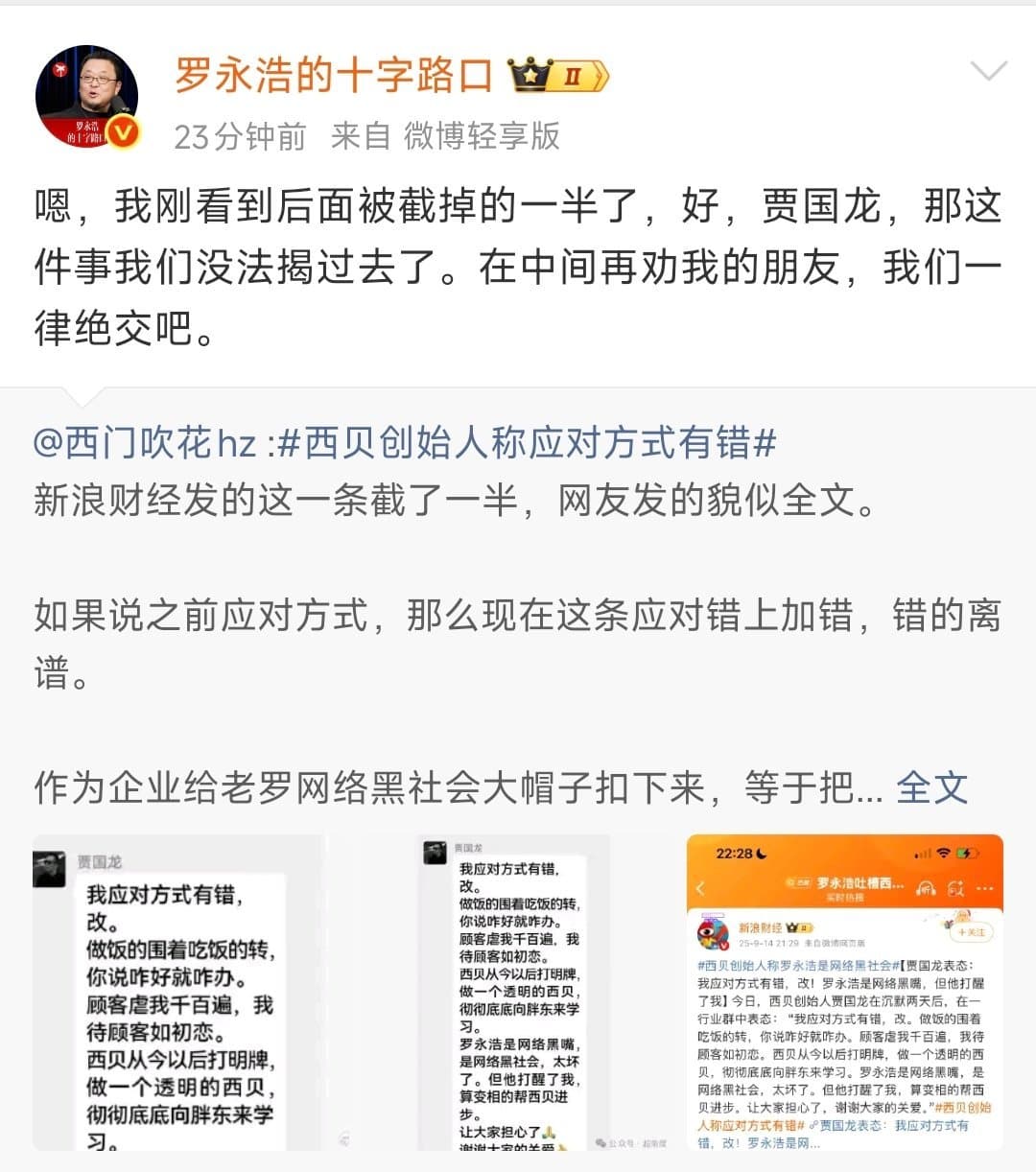
Luo Yonghao vs. Xibei: Celebrity Entrepreneur Sparks Media Storm Over Pre‑Made Dishes and Calls for Transparency
By Trending on Weibo
News & Politics
15 Sept 2025

Weibo Celebrates Autumn Harvest as China’s Fields Become the Nation’s Most Beautiful Canvas
By Trending on Weibo
News & Politics
15 Sept 2025
China Enacts First Comprehensive Rental Regulations to Legalize and Stabilize the Rental Market
By Trending on Weibo
News & Politics
15 Sept 2025
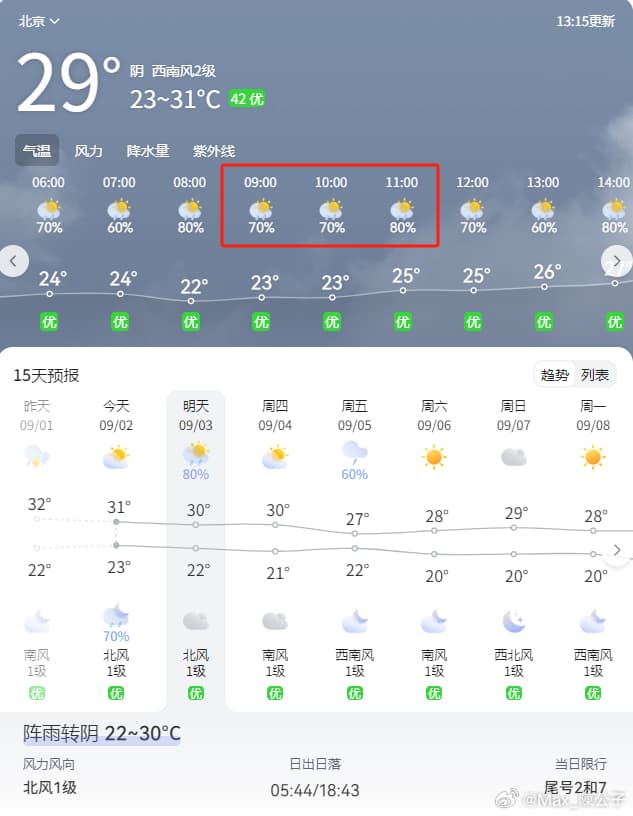
Beijing’s Weather Emerges as a Barometer for China’s Climate Policies and Public Life
By Trending on Weibo
News & Politics
13 Sept 2025