Viral Tears: How “Sheng Wanwu’s” ‘Second Child’ Episode Stunned Chinese Social Media
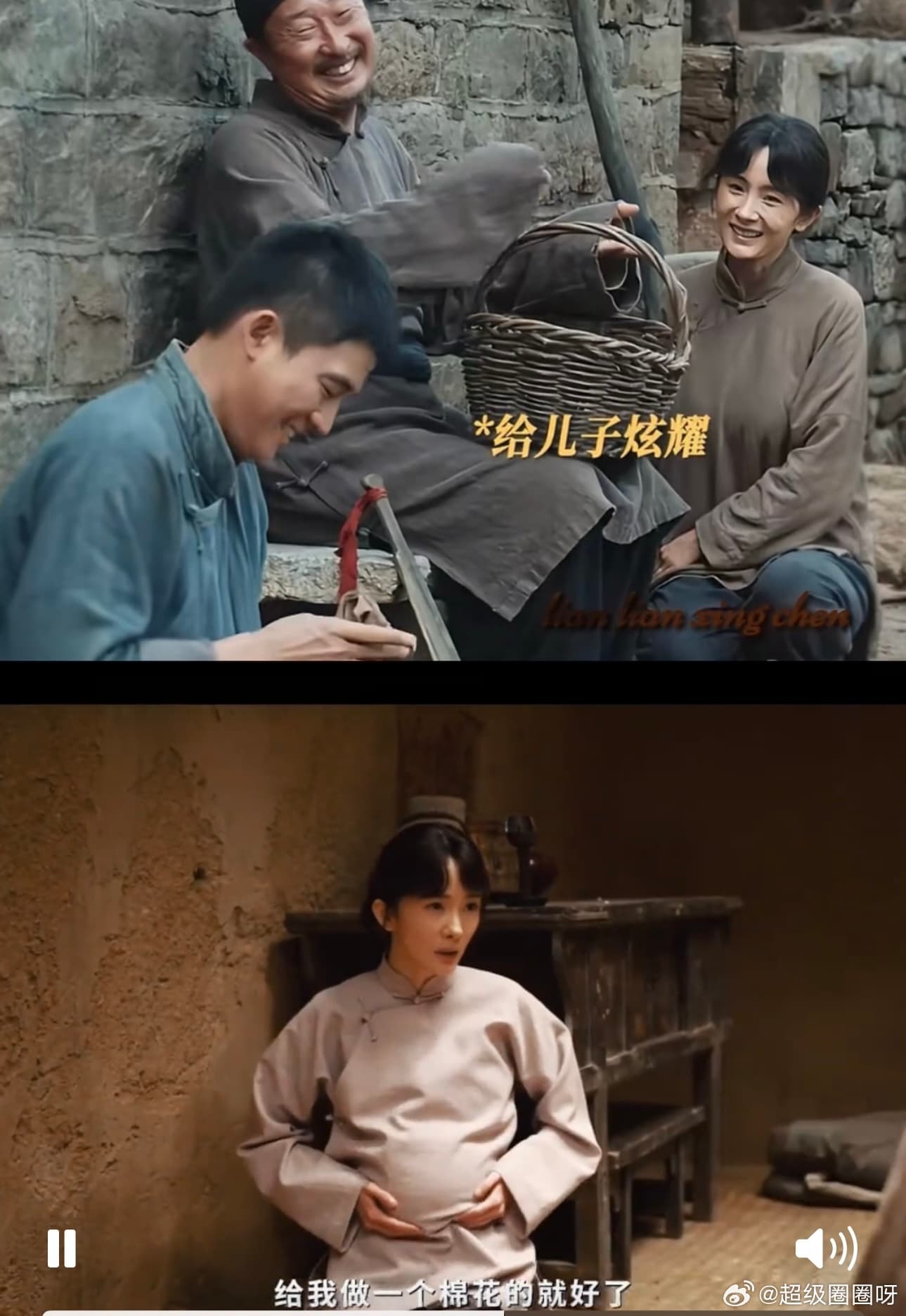
The Chinese drama that has taken Weibo and Douyin users into a whirl of emotion and debate is “Sheng Wanwu,” a period series set in rural Lunan during the tumultuous 1920s. Adapted from Zhao Defa’s novel “Qian Quan yu Jue Jue,” the show follows two intertwined families—the Nings, the Fengs, and the Feis—through love, loss, and the relentless grind of agrarian life. At the heart of the current online frenzy is a seemingly simple plot point: the birth of the second child to the series’ protagonists, Ning Xiuxiu and Feng Dajiao, affectionately dubbed “the second child” in the Chinese phrase “绣绣大脚的第二个孩子.”
22 August 2025
Xiuxiu, a resilient young woman, is first introduced as the daughter of a modest farming family. Her story begins with a traumatic wedding day when bandits abduct her, ruining her reputation in a society that prizes a bride’s unblemished honor. The scandal forces her intended fiancé, Fei Wendian, and his family to abandon her. In a twist of fate, Feng Dajiao—an unassuming farmer who rescues her from the bandits—becomes her husband. Their marriage is not born of romance but of practicality, family necessity, and the harsh demands of survival.
The series does not shy away from depicting the brutal realities of life in early‑twentieth‑century China. Xiuxiu’s fertility becomes a central narrative thread, and her body endures a series of heartbreaking losses. According to the show’s storyline, she experiences seven pregnancies, five of which end in tragedy: an early miscarriage, two children who succumb to illness, one who drowns, and another who falls to death while fleeing a conflict. The audience watches as Xiuxiu mourns each loss, a grief that is compounded by the expectations of a patriarchal household that measures a woman’s worth by her ability to bear children.
The birth of her second surviving child—named Feng Jiaming—represents a pivotal emotional turning point. On social media, fans have posted tearful reactions to the scene in which Xiao Yanzhuzi, an elderly relative, exclaims, “哎呀…我孙子,我大孙子” (“Oh my… my grandson, my big grandson”). The moment is framed as a bittersweet redemption: for Xiuxiu’s parents, “finally able to make up for the regret of the first child’s miscarriage,” and for Xiuxiu herself, “a star now watches over her head”—a poetic metaphor referencing the memory of the lost first child that continues to haunt her.
The significance of Feng Jiaming’s arrival extends beyond a simple plot development. In the sprawling narrative of “Sheng Wanwu,” the character Dajiao (also called “大脚”) is portrayed as proud and stubborn, a man who “can help others but refuses help himself”—an archetype that fans compare to another character, Song Yan. Su Su, a vocal commentator within the drama, picks apart Dajiao’s obstinacy, accusing him of “死要面子,” or “dying with his dignity intact,” while also lamenting the strain his attitude places on Xiuxiu. These dynamics have sparked heated discussions on Weibo, where users dissect the moral complexities of the characters, debate the authenticity of their actions, and even share edited clips (“剪辑”) that highlight pivotal confrontations.
The fervor surrounding the “second child” episode illustrates a broader appeal of the series: its unflinching realism. Unlike many contemporary Chinese dramas that favor glossy escapism, “Sheng Wanwu” presents a gritty portrait of rural life—land disputes, poverty, and the crushing weight of tradition. Viewers have praised the show for its fast‑paced storytelling, noting how quickly it moves from the sensational kidnapping to the intimate domestic drama that follows. The series’ willingness to depict the physical and emotional toll of repeated child loss resonates with many, especially older audiences who recall similar hardships in the country’s recent past.
Behind the scenes, the series is produced by the “gzs” studio, a name that has become synonymous with high‑production value period dramas. Its director, known for meticulous set design and faithful historical recreation, has turned “Sheng Wanwu” into a visual time capsule, allowing viewers to see the landscape of 1920s Lunan—the mud‑brick houses, the sprawling fields, and the modest, improvised wedding trousseau. The combination of authentic mise‑en‑scene and raw storytelling has driven the series to viral status, with hashtags for “Xiuxiu and Dajiao’s second child” trending daily.
While the series is a work of fiction, its themes tap into universal concerns: the precariousness of motherhood, the societal expectations placed upon women, and the struggles of families trying to survive amidst social upheaval. The discussion about Feng Jiaming’s birth isn’t merely fan speculation; it reflects a collective empathy for a character whose pain feels real despite being scripted. As the drama progresses, viewers await the next twist—whether Xiuxiu’s daughter Zhizi will face similar trials, whether Dajiao will finally soften his pride, and how the lingering shadow of the first miscarriage will continue to shape the family’s fate.
In short, the phrase “绣绣大脚的第二个孩子” has become a cultural shorthand for a moment of fragile hope amid relentless hardship. It encapsulates the emotional core of “Sheng Wanwu,” a series that, through its stark realism and compelling characters, invites both Chinese and international audiences to confront a slice of history that is as heart‑breaking as it is human.