Former Deputy Head of China's Pension Reserve Fund Expelled for Graft
Wang Wenling, formerly the second-ranking official at the body that manages China's 3.3-trillion-yuan national pension reserve, has been expelled from the Communist Party and public office after investigators found he traded on his power over state-enterprise restructurings, listings and investments — and resisted the inquiry for years.
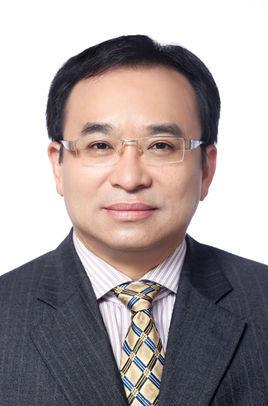
The Central Commission for Discipline Inspection, with the approval of the Party's Central Committee, has expelled Wang Wenling from the Communist Party and from public office — the "double expulsion" that in China's disciplinary system is the standard prelude to criminal prosecution. Wang was until recently a deputy director-general and Party group member of the National Social Security Fund Council, the body that stewards the state's strategic pension reserve, and the commission's notice against him is long even by its own conventions.
The list of accusations is unusually varied. Wang is said to have carried and read books containing "serious political problems," resisted the organization's review, engaged in superstitious activity, accepted gifts, cash and shopping cards in violation of the Party's austerity rules, accepted banquets and trips that could compromise official duties, and frequented exclusive private clubs. The charge with the sharpest consequences is bribery: he is accused of taking "huge" illicit gains by leveraging his authority over the restructuring, stock listings and investment decisions of state-owned enterprises. The notice adds, in the campaign's standard formula, that he never reined himself in even after the anti-corruption drive launched at the 18th Party Congress in 2012 — an aggravating factor that usually draws the harshest sentencing tier.
What gives the case its resonance is where Wang sat. The National Social Security Fund is not the pension money deducted each month from Chinese workers' wages; it is a separate strategic reserve, worth more than 3.3 trillion yuan, built up for the moment an aging population puts real pressure on the pension system. An explainer that circulated on Weibo after the announcement walked readers through the distinction: the reserve fund "is not the pension deducted from our wages — it is the state's strategic reserve," and it carries multiple layers of risk control, so that it "will not be damaged by one person's corruption."
The same account, while reassuring readers that their own pensions are structurally insulated from the case, called it a warning all the same — about who guards the people who guard the retirement money, and what approval power over "enterprise restructuring, listing and investment" is worth to whoever holds it. Corruption cases inside the pension bureaucracy are rare enough that each one becomes a lesson in how the system's safety margins actually work.
Under the procedure that follows a double expulsion, prosecutors will take over the case, and at indictment they will publish the specific sum Wang is alleged to have taken. That number — attached to a man whose signature carried weight over restructurings, listings and investments — will show what the periphery of China's pension reserve was actually worth to the people holding the keys.