Subscribe to our newsletter

Stay updated with the latest news and trends.

No spam. Unsubscribe anytime.

Browse

Categories, quick links and the newsletter.

Quick Links

Newsletter

Get the latest updates

Subscribe to our newsletter to stay informed about trending topics.

No spam. Unsubscribe anytime.

T

Culture

Gold Prices Surge 11 Yuan Per Gram Overnight in China
Culture

Gold Prices Surge 11 Yuan Per Gram Overnight in China

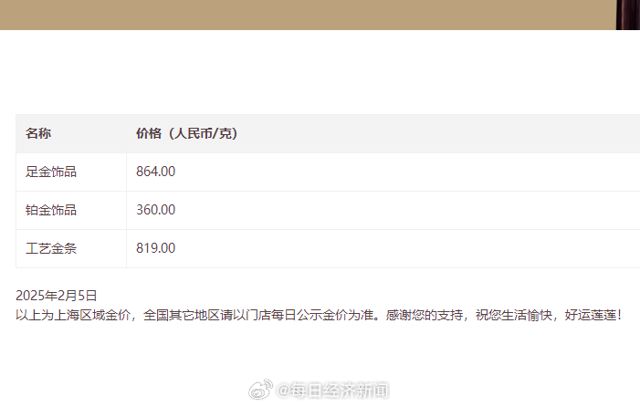
China has witnessed a significant surge in gold ornament prices, with a staggering increase of 11 yuan per gram overnight. This dramatic fluctuation has captured the attention of consumers and investors alike. The price hike is largely attributed to the sustained upward trend in international gold prices, which have been setting new records. As of February 5, the prices of gold ornaments from renowned brands such as Chow Tai Fook and Luk Fook rose to 863 yuan per gram, representing a substantial increase of over 50 yuan per gram since the beginning of January and approximately 27 yuan per gram compared to the prices before the Chinese New Year.
The Significance of Renri: Uncovering the Origins and Traditions of China's Human Day Festival
Culture

The Significance of Renri: Uncovering the Origins and Traditions of China's Human Day Festival

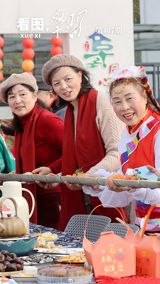
The traditional Chinese festival of Renri, also known as "Human Day," has a rich history that dates back to the Han dynasty. It is believed to be the day when humans were created, according to mythological accounts, and has been celebrated for over two thousand years. The festival has a significant cultural importance and is still observed today in many parts of China and other countries with Chinese communities.

Lazy vs Poor: Breaking the Stereotype
Culture

Lazy vs Poor: Breaking the Stereotype

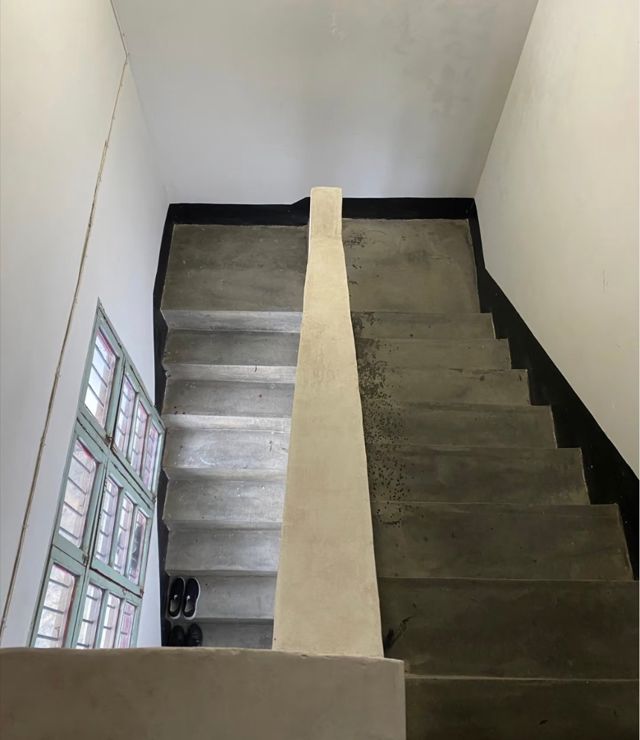
The phrase "原来懒和穷真的是两码事" which translates to "It turns out that being lazy and being poor are two different things" has been making waves on Chinese social media platforms. The phrase is often accompanied by stories and images of individuals who, despite their humble economic backgrounds, have managed to create tidy and comfortable living spaces through their hard work and diligence. The origins of this phrase can be attributed to a series of posts on Weibo, a popular Chinese microblogging platform, where users have been sharing their own experiences and observations about the difference between being lazy and being poor.