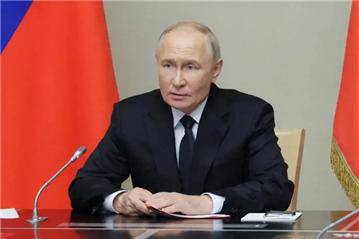
Three Years of Russia-Ukraine Conflict: A New World Order Emerges
The Russia-Ukraine conflict has profoundly impacted the global order, reigniting Europe as a focal point of military confrontation and ushering in a new era where realism and the principles akin to "jungle law" increasingly influence international relations. This shift signifies a departure from the post-Cold War emphasis on diplomacy, economic integration, and liberal ideals, towards a more competitive and potentially volatile international landscape. As realism gains prominence, the balance of power, national interests, and security considerations are prioritized over cooperation, democracy, and human rights. The resurgence of "jungle law" principles, where might is perceived as right, undermines the rule of law and multilateral institutions, potentially leading to increased tensions between major powers, decreased cooperation, and heightened regional instability. Smaller nations are particularly vulnerable, facing challenging decisions in a world where alignment with a powerful state may be the only guarantee against aggression. Ultimately, the conflict marks a significant turning point in global governance, with implications for regional stability, international institutions, and the future of global order.