China Locks Out Both Asian Games Mixed Doubles Finals Slots, and Invokes Ping-Pong Diplomacy While It Does
Wang Chuqin and Sun Yingsha will face Lin Shidong and Kuai Man in the Nagoya Asian Games mixed doubles final, guaranteeing China the title — while in Washington, Xi Jinping was invoking ping-pong diplomacy at the state banquet on the same day.
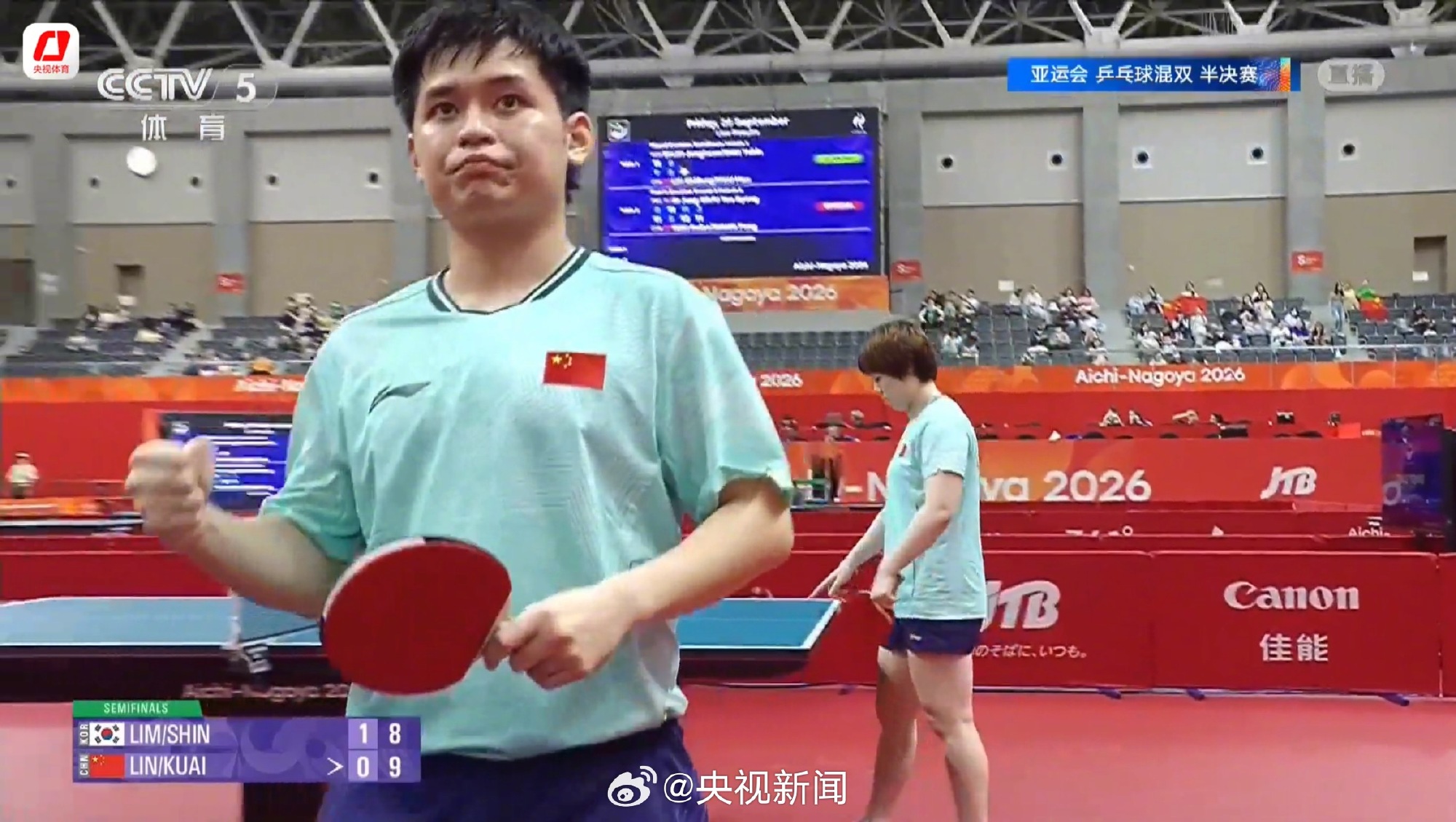
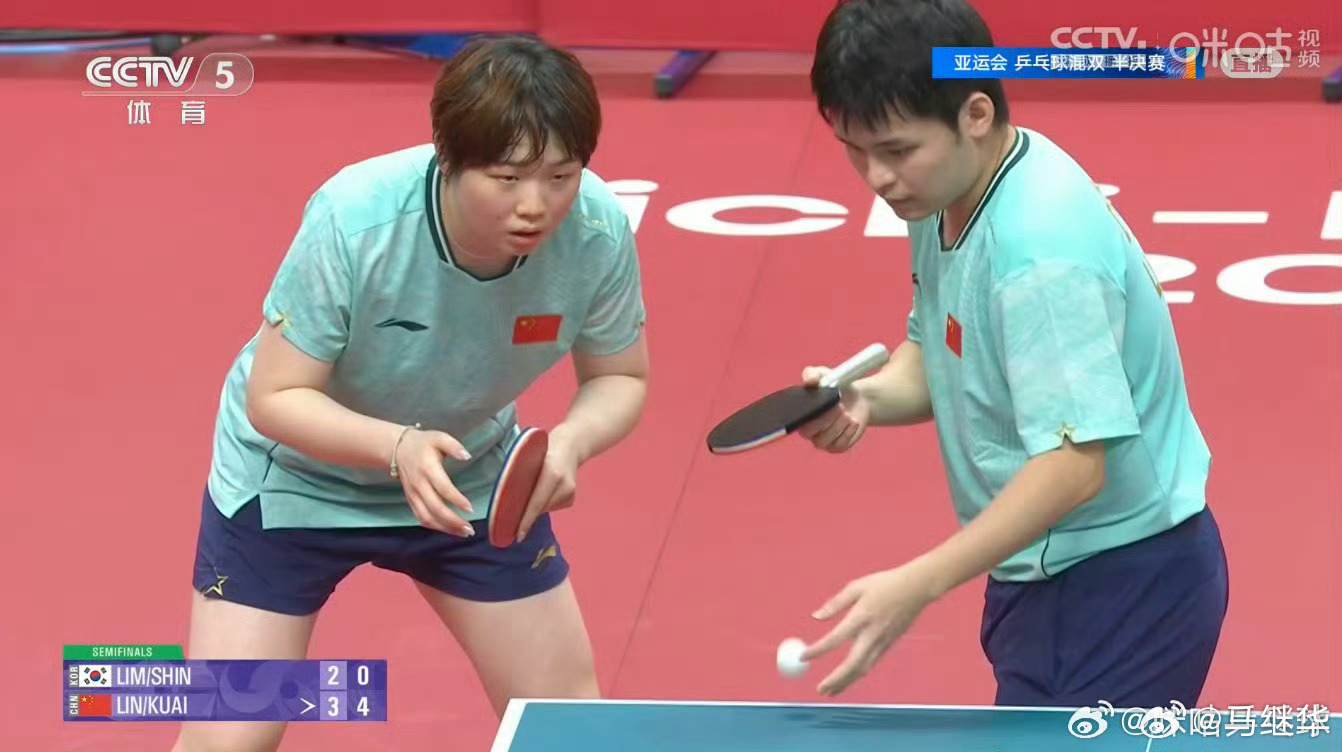
Both mixed doubles finalists at the Nagoya Asian Games are now Chinese pairs. In the first semifinal, defending champions Wang Chuqin and Sun Yingsha — the pair Chinese fans call "Sha-tou," a blend of their names — beat India's Manash Shah and Diya Parag Chitale 4-0. In the second, Lin Shidong and Kuai Man outlasted South Korea's Lim Jong-hoon and Shin Yu-bin 4-2, saving their best for the moments that mattered most. The gold is China's before a ball is struck; only the colour of the two medals is left to decide.
The Korean semifinal was the drama of the day. Lin and Kuai dropped the first and third games and trailed 8-10 in the fifth — two points from a decider — before reeling off four straight points, Lin's serve-returns and Kuai's forehands finishing it 12-10. The sixth was a rout, 11-3. The fan account that live-blogged the comeback called it an extreme reversal and it capped a day in which Lin played five matches across singles, doubles and mixed doubles without losing one, a workload fans noted with a mix of pride and concern.
China's dominance in the discipline has a longer shadow, and on the very day the pairs clinched the final, it was being invoked 10,000 kilometres away. At Wednesday night's White House state banquet, Xi Jinping's toast traced the arc of Sino-American friendship to "ping-pong diplomacy" — the 1971 exchange in which American players crossed to China and, as Xi put it, "small balls moved the big ball," reopening relations between the two countries. Chinese state media drew the line explicitly: the sport that once cracked open US-China relations is now so thoroughly Chinese-owned that its international finals are internal fixtures.
The domestic mood is less triumphalist than it used to be. With men's team gold already lost to Japan earlier in the tournament — the first such failure in 36 years — fans on Weibo spent the mixed-doubles thread toggling between celebration and anxiety about the men's side. "Sha-tou and Dongman both delivered," one commenter wrote, using the fan nicknames for the two pairs, before adding that the athletes were playing three matches a day "and still getting second-guessed by domestic media." The Baidu hot board carried the doubles story alongside the women's basketball team's semifinal loss to Korea the same evening, a juxtaposition that captured Chinese sport's split-screen week: a swim-and-paddle machine running at full tilt while its ball and basket teams stumble.
The final itself is a generational document. Wang, 26, and Sun, 25, are the Olympic champions and the faces of the sport worldwide; Lin, 21, and Kuai, 22, are the generation bred to replace them, and their win over a Korean pair that had talked itself into contention signals that the succession is not waiting for anyone. Whoever wins, the flag goes up twice — and Chinese table tennis's real competition, as fans joked across the live threads, remains itself.