Nvidia's Board Investigates Its CEO: The House Briefing, Beijing's Response, and the Man Who Could Be Forced Out
Jensen Huang's affair admission has now pulled in a US House committee, a Beijing press briefing, and the White House. Nvidia's board has opened an independent investigation into whether the affair involved Chinese intelligence — while Huang stays on as CEO.
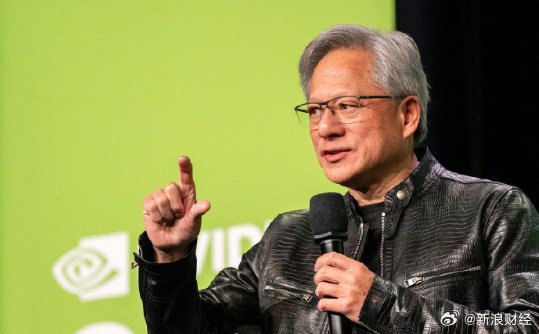
Jensen Huang's affair admission has moved past the personal. On November 8, the 63-year-old founder-CEO of Nvidia published a letter to employees on the company website: "I have been unfaithful to my wife. My behavior has hurt her and our children. There is no excuse, and I am deeply sorry." Nvidia's board has opened an independent investigation — led by independent directors with outside counsel — and a US House committee has sent a letter requesting Huang's participation in a closed-door briefing. The White House's reaction was a shrug: President Trump said he had not spoken to Huang about it, but "he is a good man."
What the affair has turned into is the story of a company at the center of the AI chip race confronting a question of foreign intelligence. The woman Huang had a relationship with, identified in reporting as Huang Le, was a journalist at CCTV and Hunan TV before becoming a Singapore-based executive at Megaspeed, a data-center company that has been accused of possibly re-exporting Nvidia chips into China. The board's investigation is checking whether the affair involved intelligence — the statement says "the board has no reason to believe national security or Nvidia's trade secrets have been compromised," but "this investigation will review all available information." The affair has been covered on this site before, when the board investigation was first reported.
The company's positioning is the second part of the story. Nvidia's public statement says Huang will remain CEO and will not interrupt his duties. The affair's timing is the third part: the news broke on November 8, as the US midterms had already wiped out the AI hardware rally in American markets, and the affair compounds the stock's losses. The affair's fate has also pulled in a debate over whether the affair could force Huang out — a question analyst Dan Ives of Yorkville Ives put bluntly to Reuters: "Clearly, depending on the board's investigation, Huang could be removed as CEO."
The affair's Chinese reception is the fourth part. At a Foreign Ministry press briefing on November 9, a reporter asked about US officials' claims that the woman involved was a Chinese intelligence agent; the ministry's spokesperson said the claim was "purely fabrication and slander" (纯属捕风捉影). The affair's optics are the fifth part: for a Chinese reader watching the US midterms and the AI hardware selloff that followed, the affair's timing is the thing that makes it a story about the whole chip race — and about the chip race's most important supply chain.