Chinese Mobile Game “Love and Deepspace” Faces Player Boycott After Misleading Shen Xinghui Event Sparks Consumer‑Rights Firestorm.
The mobile title Love and Deepspace has found itself at the centre of a rapidly escalating consumer‑rights dispute in China. The controversy began with the launch of the “Shen Xinghui – Crown of Falling” event, a limited‑time gacha pool that debuted on August 6, 2025. The promotional video released by developer Papergames was a glossy showcase of the new character Shen Xinghui, promising dramatic visual effects and a powerful “card set” mechanic. The hype worked: on the first day the paid gacha topped the iOS best‑selling charts, and the game’s revenue surged as players rushed to acquire what they believed would be a game‑changing addition.
12 August 2025
Within hours of the event going live, however, players started to voice a different reality. Screenshots and video recordings posted on Weibo, local forums and Discord showed that the in‑game animation and the promised skill interaction fell markedly short of the trailer’s glossy presentation. The mismatch was quickly framed by the community as false advertising, and a wave of complaints began to accumulate on the consumer‑rights platform Black Cat Complaint (黑猫投诉). By August 8 the platform recorded more than 6 500 complaints referencing Love and Deepspace, many of them specifically naming the Shen Xinghui event and alleging that the advertised “card set battle mechanism” was absent.
What began as a dispute over visual fidelity quickly grew into an organized protest. On August 9 a player‑run group calling itself the “Deepspace Stop Spending Beneficiary Alliance” (深空停氪受益者联盟) launched a “stop spending” campaign, urging gamers to boycott future purchases until the issue was resolved. The group also commissioned a lawyer to issue a formal demand letter, not for a refund but for an immediate fix to the skill mechanism that underpins the Shen Xinghui limited‑daily card. The letter, circulated on social media, warned that continued inaction could trigger further legalPapergames has, to date, offered no public apology, no timeline for a patch and no direct response to the flood of complaints. Official Weibo posts continue to promote the event, and routine updates to the game’s community channels have proceeded as usual, giving the impression of a “cold shoulder” approach. This silence has only amplified the anger, with many players accusing the studio of deliberately misleading its audience to drive short‑term sales.
The fallout extends beyond the immediate dispute. In the fiercely competitive mobile‑gaming market, a reputation for reliable quality control is a strategic asset. The Shen Xinghui glitch points to possible shortcomings in Papergames’ quality‑assurance pipeline, suggesting that the promotional material may have cleared internal checks without a corresponding verification of the final in‑game implementation. For a live‑service title that depends on continual content drops and ongoing micro‑transactions, such an oversight can translate directly into lost revenue, a spike in negative reviews, and a measurable decline in player retention.
Investors and analysts are also taking note. While Papergames is not currently listed on a public exchange, it has attracted venture capital and has been the subject of rumors about a forthcoming IPO. Persistent consumer grievances of this magnitude can erode confidence among potential backers, who may view unresolved bugs as a signal of operational inefficiency. Moreover, the episode adds to a growing chorus of complaints about Chinese otome and “乙游” titles that have faced similar backlash over misleading marketing, suggesting a broader industry trend that regulators could eventually scrutinize.
From a consumer‑rights perspective, the incident raises the question of what guarantees players have when they spend real money on digital goods. In China, recent legislation has bolstered protections against false advertising and mandated clearer refund policies for in‑app purchases. The sheer volume of complaints lodged on Black Cat Complaint—and the fact that players have turned to formal legal channels—reflects a willingness among gamers to invoke these protections when they feel short‑changed. If Papergames continues to ignore the issue, it could set a precedent for more aggressive regulatory action, potentially prompting the Ministry of Industry and Information Technology to issue warnings or enforce penalties for deceptive marketing.
Community sentiment on social media reinforces the seriousness of the backlash. Threads on Weibo, Bilibili and the game’s own Discord server are dominated by frustration and disappointment. Players who have invested heavily in the Shen Xinghui character describe the bug as “a betrayal” and warn that they will abandon the title altogether if the fix does not arrive promptly. While exact sentiment metrics are unavailable, the tone is overwhelmingly negative, with several posts threatening to delete the app and urging others to do the same.
The situation also illustrates the power of coordinated player action in the digital age. By aggregating complaints on a central platform, mobilizing a “stop spending” movement, and enlisting legal counsel, the community has managed to keep the dispute in the public eye for over a week. This level of organization is rare for mobile games, which often rely on a diffuse, global player base that is less inclined to collective protest. The Shen Xinghui episode may therefore serve as a case study for how fan communities can hold developers accountable, especially when financial stakes are high.
As of the latest reports on August 12, Papergames has not issued a patch addressing the Shen Xinghui skill bug, nor have they offered any statement acknowledging the allegations of false advertising. The “stop spending” alliance continues to update its followers, promising to maintain pressure until a satisfactory resolution is reached. For now, the future of Love and Deepspace’s next content drop hangs in the balance, and the episode stands as a stark reminder that in the world of live‑service gaming, the line between promotional hype and product reality can become a flashpoint for consumer activism, industry introspection and, potentially, regulatory oversight.
Share this article
Related Articles

Alipay Users Rush to Revoke Permissions Over Hidden Authorizations, Sparking Nationwide Privacy Debate
By Trending on Weibo
Tech
15 Sept 2025

Pinduoduo’s “Journey to the West” Campaign Delivers Free Shipping to China’s Remote Western Provinces.
By Trending on Weibo
Tech
12 Sept 2025

Apple’s iPhone 17 Pro Camera Ignites an Industry Arms Race, Democratizes Visual Storytelling, and Fuels Privacy Debate.
By Trending on Weibo
Tech
12 Sept 2025

Huawei Launches World’s First Mass‑Produced Tri‑Fold Smartphone, the Mate XT, Sparking a Premium Market Shake‑Up
By Trending on Weibo
Tech
12 Sept 2025
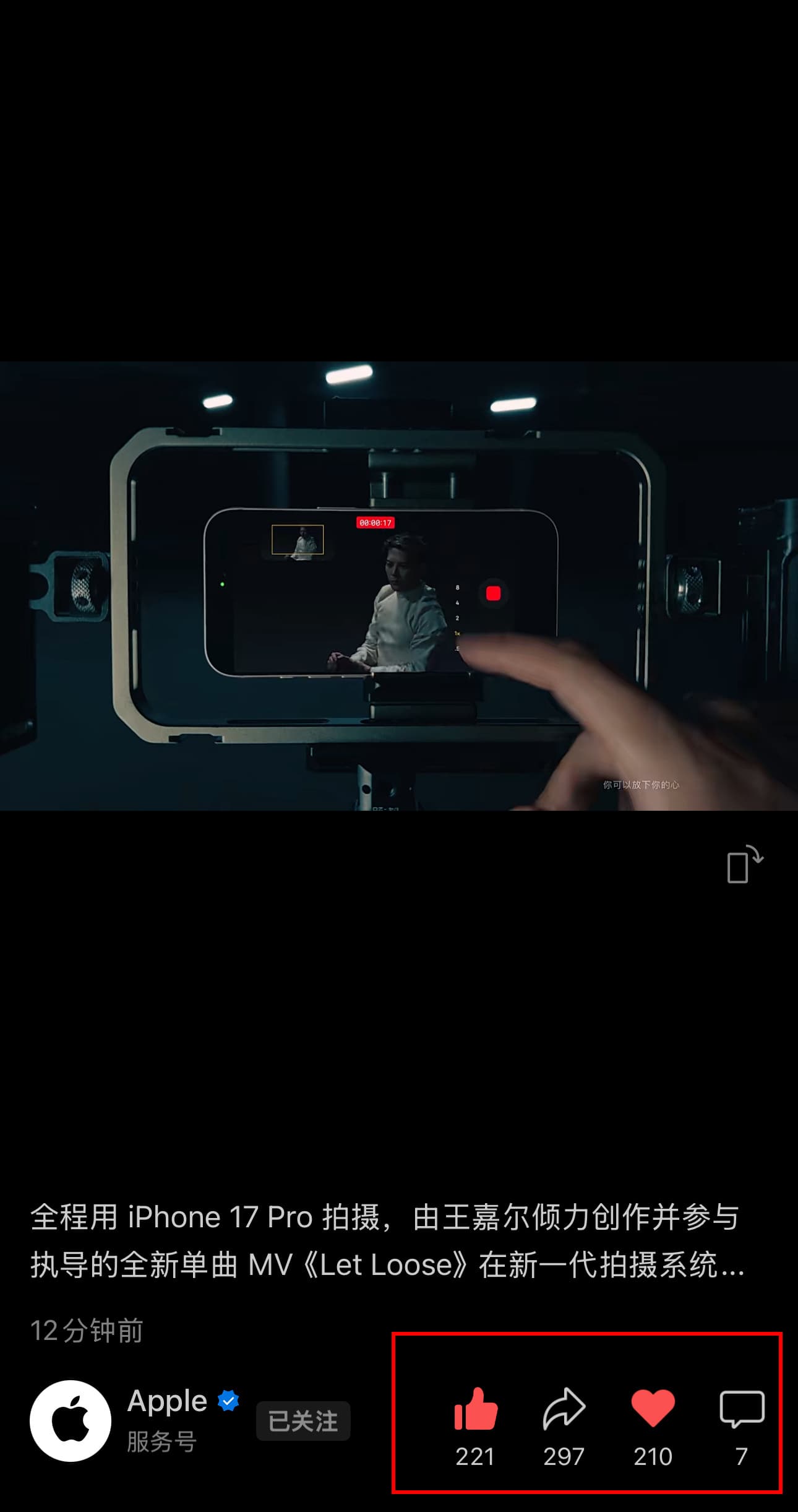
Jackson Wang Films “Let Loose” Music Video Entirely on Apple’s iPhone 17 Pro, Highlighting Mobile Filmmaking Power】
By Trending on Weibo
Tech
11 Sept 2025