China's Top Universities Now Enroll More Graduate Students Than Undergraduates
A survey of China's 39 elite universities found nearly all now take in more new graduate students than undergraduates — the latest turn in a decade-long expansion that is changing what a degree means and who pays for it.
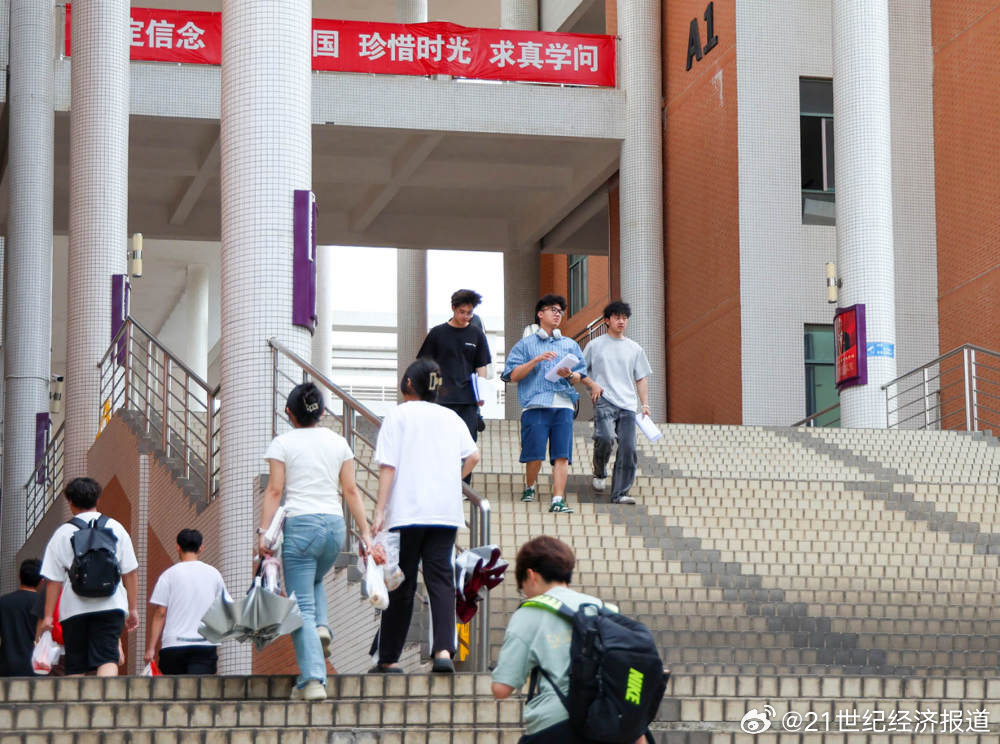
Students walking into class at Jilin University this autumn may have noticed the composition of the crowd shifting. The university took in 10,541 new undergraduates — the largest intake of any Project 985 university — but it is the graduate numbers that made the news. A survey by the 21st Century Business Herald found that at nearly all of China's 39 elite "985" universities, the 2026 graduate intake has overtaken the undergraduate intake, and that several universities — Zhejiang, Sun Yat-sen, Shandong among them — now enroll more than 20,000 new students a year once masters and doctoral students are counted.
The threshold was crossed earlier and more broadly than this autumn's data suggests. As Baidu's board on the topic noted, by 2024 at least 31 universities already had more graduate students on campus than undergraduates, and total master's enrollment grew 71.25 percent between 2017 and 2025. The expansion was a deliberate policy: as the undergraduate job market saturated, universities absorbed graduates into further study.
The striking part is that the expansion is continuing even as the entrance-exam frenzy cools. Registration for the postgraduate entrance exam has fallen for several consecutive years, dropping to 3.43 million for 2026 — well down from its peak. More people are getting in even though fewer are lining up to take the test, a divergence explained by expanding recommendation-based admission for top undergraduates and the rapid growth of professional master's programs.
What does the milestone mean? The Sanlian Lifeweek essay that topped the conversation framed it with a familiar self-mocking meme: "Undergraduates everywhere you look, graduate students swarming like dogs" (本科生遍地走,研究生多如狗). Yet the writer, Wei Zhou, put the meme against the census: only 6.67 percent of China's population holds a bachelor's degree, and 0.76 percent a postgraduate one. The country is nowhere near over-credentialed in absolute terms — the anxiety is about the signal, not the stock. "Is this a sign of degree devaluation, or a good thing?" the essay asked.
On Weibo, the argument turned to money. Comparing financing data from the United States, where parents' income and savings cover less than 40 percent of undergraduate costs, one commenter calculated that Chinese parents are effectively funding children into their mid-twenties, since most postgraduate places are self-funded. Longer education, the argument ran, is one reason young couples hesitate to have more children — a link between enrollment statistics and the birth rate that demographers have been making for years.
Policy is adapting to the same shift. The State Council's academic-degree office has just issued guidance allowing professional-degree students in five fields — starting with translation and agriculture — to earn degrees through practical outcomes instead of a traditional thesis, a recognition that a growing share of graduate students are being trained for work rather than research.
The degree arms race connects to the job market we have covered before, where graduates now routinely face AI interviewers before they face humans. More degrees may buy more time at the gate; whether they buy better odds is the question this cohort will answer for the next one.