A Hangzhou Courier Showed Up at a Pregnant Woman's Door After She Canceled an Order
After a Hangzhou woman seven months pregnant phoned to cancel a parcel she had been told couldn't be shipped, the courier arrived at her door, upset that the call would cost him a day's wages. She was diagnosed that night with threatened miscarriage, and the case has become a referendum on how China's delivery platforms split blame.

Liu, who lives in the Renhe area of Hangzhou's Yuhang district, is seven months pregnant and regularly mails paper invoices for work. On October 9 she placed a pickup order through Cainiao Package, the parcel app — and was told by the courier who came that invoices could no longer be shipped. Because he had already marked the parcel "collected" in the system, the only way to cancel was for her to phone customer service herself. She made the call and asked a single question: why had the same invoices been shippable before?
Minutes later, the courier was at her door.
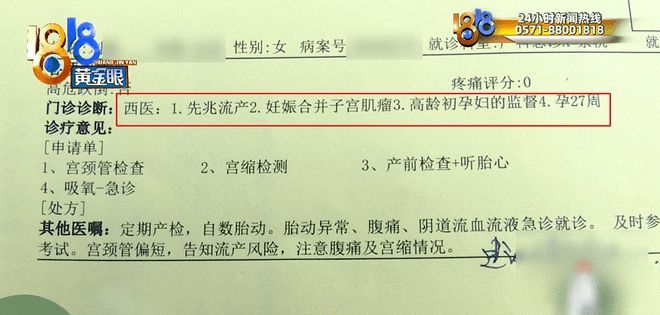
She had not complained, she says — the call was a routine cancellation. But the driver, visibly upset, explained that the phone call would cost him a day's wages. By evening, Liu had checked herself into a hospital with a diagnosis of threatened miscarriage. Her medical record, noting a 27-week pregnancy, aired on 1818 Golden Eye, the Hangzhou consumer-rights TV program whose report set off the current wave of coverage.
On Weibo, the case immediately turned into an argument about who is actually to blame — and the consensus, unusually, was that both parties at the door are victims. "The core of the problem is the courier company," one user wrote. "Both the customer and the courier are wronged... These platforms take their fees; can't they manage better instead of this crude, one-size-fits-all approach that shoves responsibility onto the customer at one end and the courier at the other?" Another commenter put a name to the dynamic: the company was "transferring the contradiction" — its own rules created the dispute, yet it was the customer and driver left facing each other over it.
The design of the penalty system explains the courier's panic. In China's delivery industry, a customer complaint is among the most punishing events a rider can attract, docked directly from thin piece-rate pay — which is why a single cancellation call read, to him, as a lost day's wage. It is the same friction that surfaced in Wuhan last week, when a residential compound barred a courier outright over a chat message sent to a resident: in both cases, rules written by platforms and compounds left the courier and the customer to absorb the consequences face to face.
The headline post on the case has been liked nearly 5,000 times, many of the comments calling for the company rather than the driver to answer for the visit. What has not been explained yet is the rule itself — why a routine cancellation question should register as a complaint, and who pays when it does. That is the question Liu's medical record has now put in front of both companies.