Tell the Spouse: China Debates Mandatory HIV Disclosure in Premarital Checkups
A pollster's plain question — should HIV testing be written into premarital checkups, with results disclosed to the partner — drew more than 28,000 likes and a familiar collision: China's infection numbers are climbing, but its AIDS regulations make an infected person's diagnosis confidential, even from the person about to marry them.
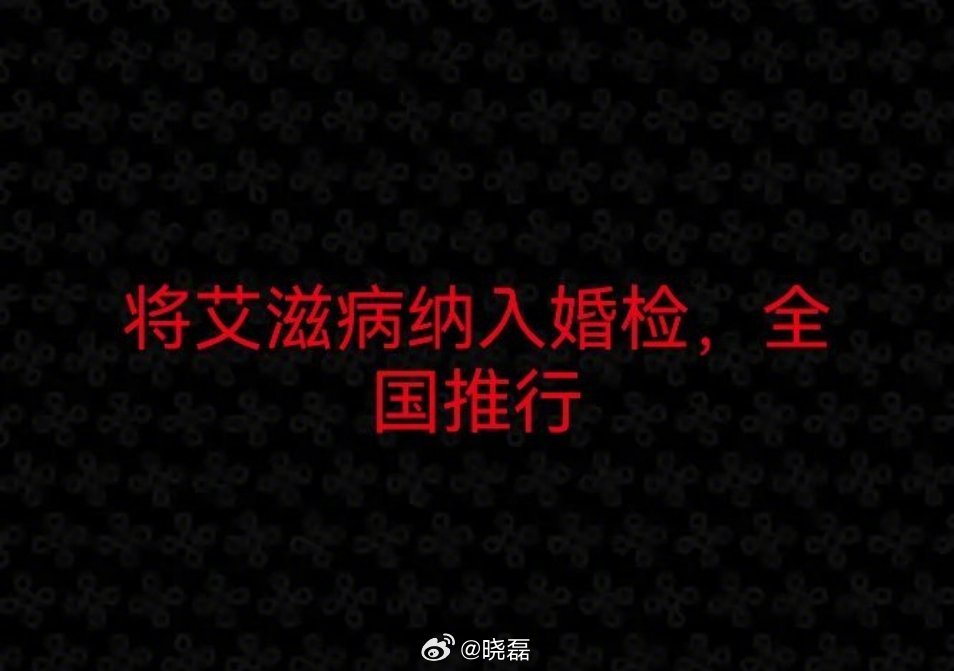
The question that set off this week's argument was framed as a poll. "Recommend including AIDS in premarital checkups, with the result disclosed to the spouse — do you support it?" (建议将艾滋病纳入婚检,结果必须告知配偶,你支持吗?) posted the blogger Xiao Lei on September 20, and the plainness of the proposition did the work: the post drew more than 28,000 likes, a comment section running to thousands, and a trending slot devoted entirely to the question. The graphic that carried it — black background, red characters — read like a policy slogan: "Include HIV/AIDS in premarital checkups, rolled out nationwide."
The numbers behind the proposal are moving in one direction. A widely shared explainer by the science-blogger account Jizhi de Kepujun tallied China's reported HIV cases at roughly 1.29 million at the end of 2023, 1.355 million a year later, and past 1.41 million by the end of 2025 — with sexual contact accounting for 98.5 percent of newly reported cases in 2025, about 73 percent of them heterosexual transmission and 26 percent homosexual. The account's own conclusion was blunt: "AIDS can no longer be concealed and unreported; that would be irresponsibility toward the whole of society."
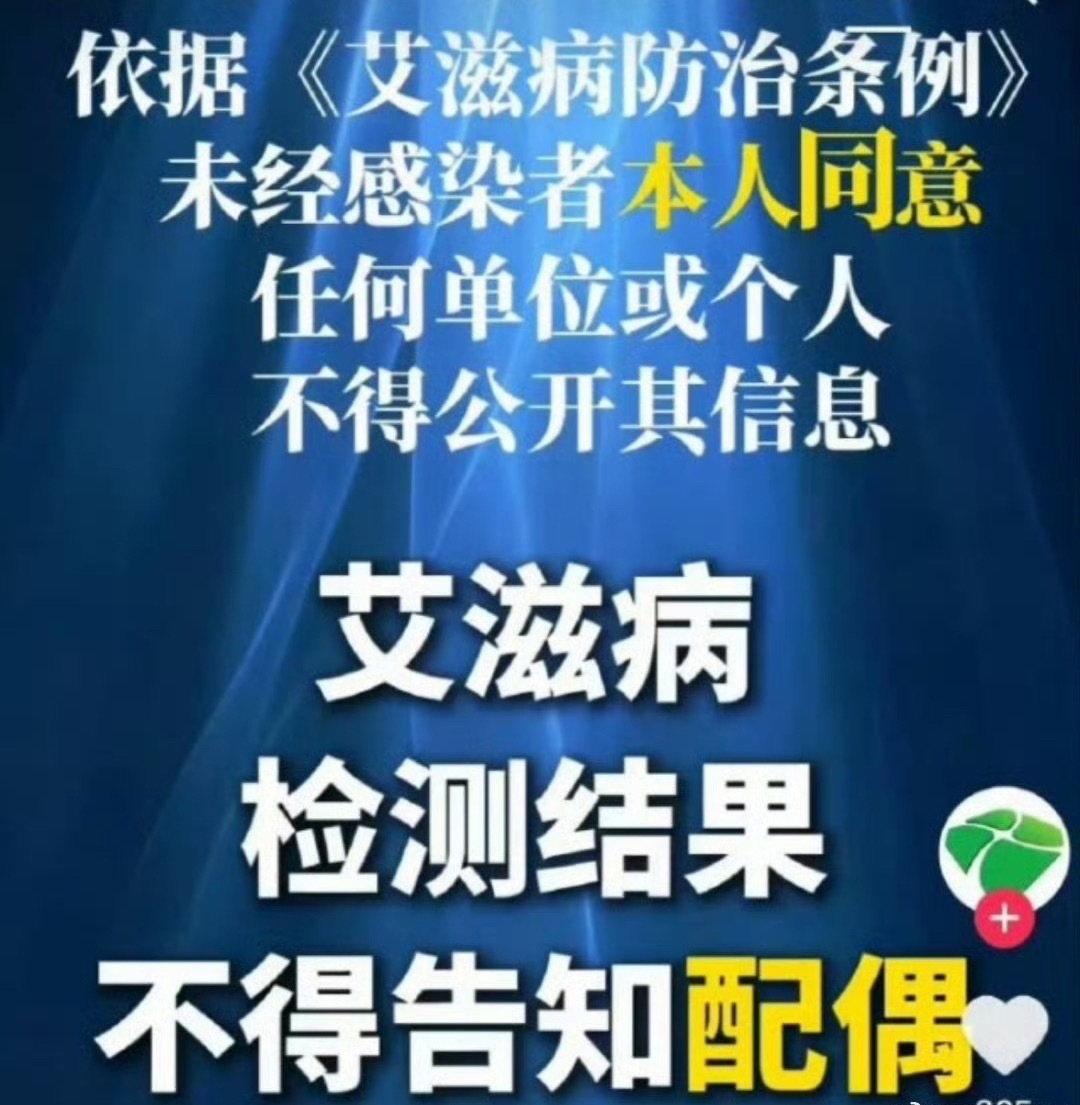
Here is the knot the poll was really pulling at. China's Regulations on the Prevention and Treatment of AIDS say plainly that no organization or individual may disclose an infected person's information without that person's consent — the very rule the science account's graphic quoted (艾滋病检测结果不得告知配偶,"AIDS test results must not be told to the spouse"). Marriage law pulls the other way: since the Civil Code took effect, anyone marrying while carrying a "serious disease" must disclose it to their partner, and a partner kept in the dark can seek to have the marriage annulled. Whether HIV counts as such a disease, and who may tell the spouse when the patient will not, is exactly the grey zone the proposal would legislate away.
Premarital checks themselves carry history. They were compulsory in China until 2003, when new marriage-registration rules made them voluntary; uptake collapsed, provinces rebuilt the habit with free packages, and what a checkup includes — and who may see each result — has varied by city ever since. Supporters of the proposal argue the current consent rules leave an uninfected partner bargaining for information they have a right to before a lifelong decision; opponents answer that mandatory disclosure would push people away from testing altogether, and hand employers, landlords and acquaintances a new weapon in a country where HIV status still costs people jobs.
How raw that fear remains was visible on the same day's boards, one rung down. In Chongqing, a restaurant worker who had quietly self-tested for HIV in the kitchen — using mail-order test strips, out of worry over his liver health — became a national rumor before regulators stepped in to report the facts: his results were negative, and he was sent off duty only because drawing blood in a food-prep area violated hygiene norms. The clarification travelled slower than the scare. Any disclosure regime, critics say, will have to be written for the country that reacts that way, not the one the poll imagines.