Aunt Mei Sold Cut Mango From a Tricycle for Years Before Her Arrest — and Her Neighbours Say the Police Sketch Was Wrong
New details from Guangzhou show that 'Aunt Mei', the most wanted woman in China's child-trafficking docket, spent her years on the run in a 10-square-metre rented room in Baiyun district, selling cut mango at night and collecting scrap to survive. Neighbours say her real appearance matches no published portrait — a fact that helps explain one of China's longest manhunts.
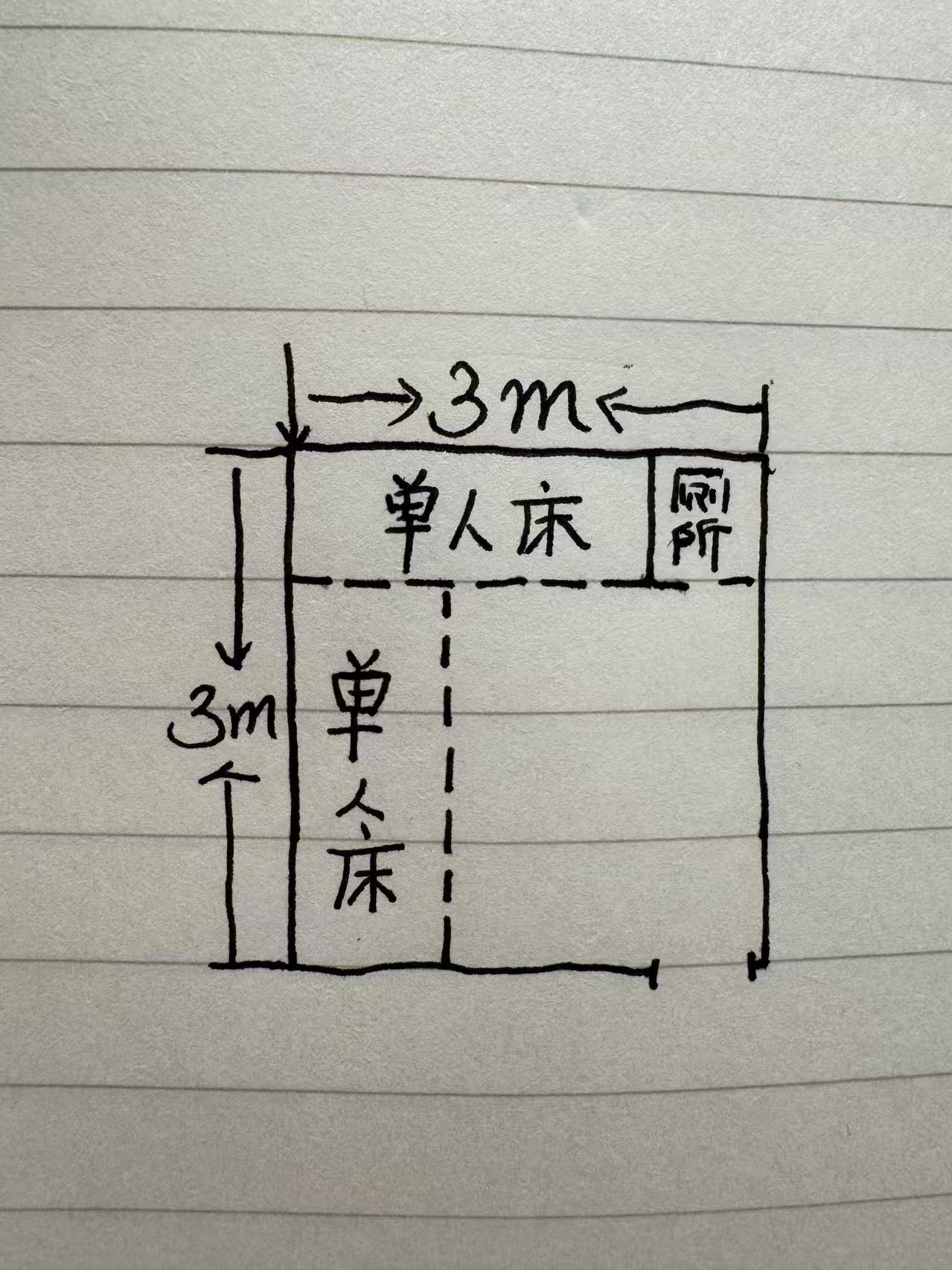
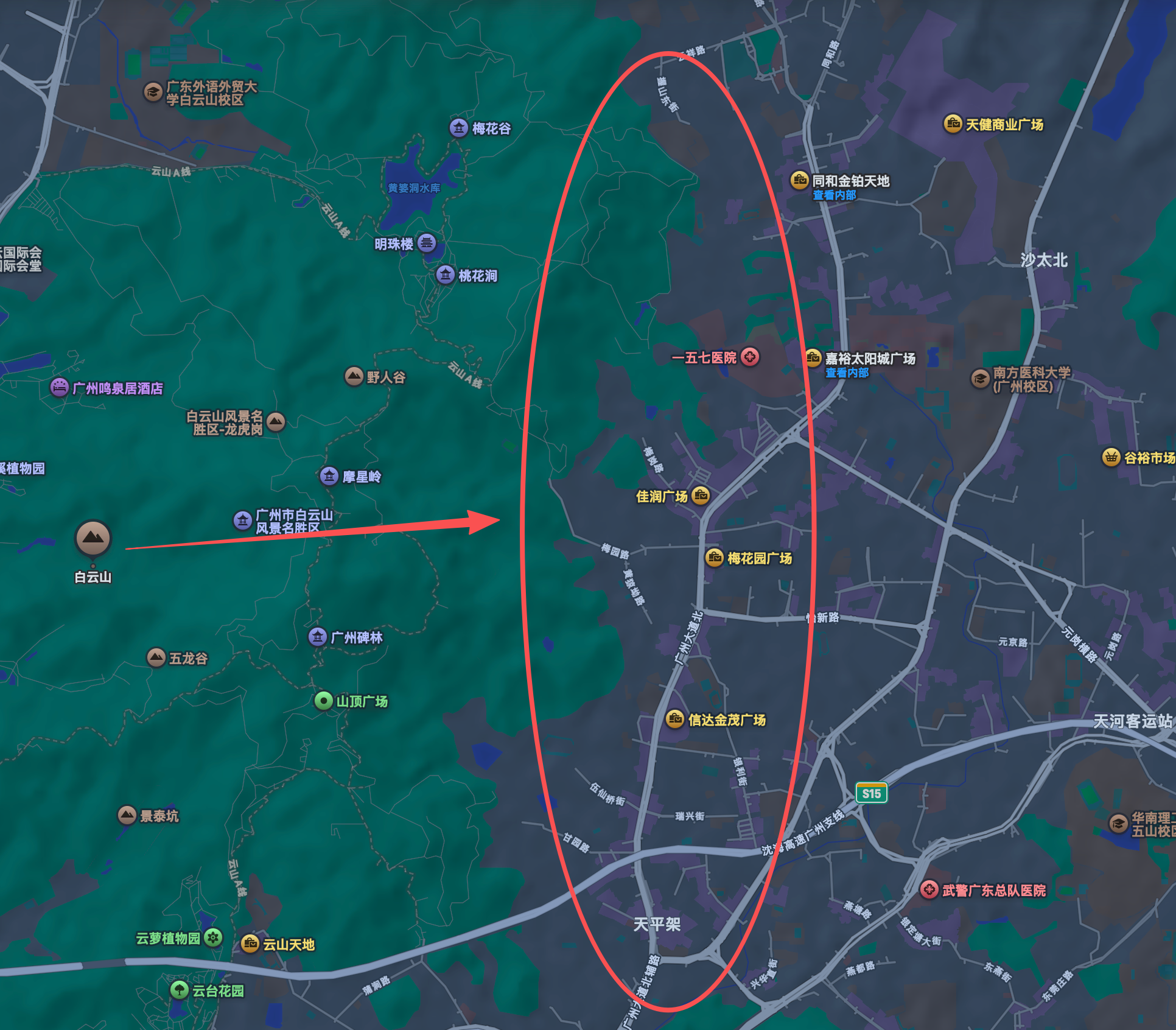
The most detailed account yet of how China's most notorious trafficking suspect lived before her arrest has emerged this week, and it is stranger than any manhunt narrative. 'Aunt Mei' — real name Xie Jiamei, according to information disclosed by the family of one of her victims — was caught in December 2025 in a rented ground-floor room on the eastern edge of Baiyun Mountain in Guangzhou. The room measures roughly ten square metres, holds two single beds and a toilet, and cost about 550 yuan (about $77) a month.
Before that, neighbours told reporters from The Paper who visited the urban village this week, she survived on collecting scrap and selling cut mango from a hand cart at night, often until midnight. She was not hiding in the hills. She was hiding in the most ordinary routine a Chinese city offers — the invisible life of an elderly street vendor.
The portrait that didn't match
For years the only image the public had of Aunt Mei was a police composite — an older woman with a round face and heavy build — circulated during repeated appeals for tips. Multiple neighbours who saw the sketch told The Paper it looks nothing like her: they describe a slight woman about 1.55 metres tall, with thinning white hair, a hunched back, an oval face and a very thin frame. She shared the room, they said, with a young man believed to have an intellectual disability whom she called her son; he has since been taken to a psychiatric hospital.
That mismatch is more than a curiosity. Aunt Mei was identified in court testimony as the handler who moved children abducted by Zhang Weiping, the executed leader of the ring, who said he handed her nine of the children he trafficked. She was a node in the network, not a side character — and she outlasted everyone by not looking like her own wanted poster.
A father's letter
Shen Junliang, whose son was among those taken, told reporters his family learned of the arrest only afterward, and that Xie lived in near-destitution at the end: "I think it's what she deserved," he said. He has written her a letter, which he hopes her lawyer will pass on. It asks the question the trial will now have to answer: "If you know where the other children are, please tell the police everything. You are a mother too."
Xie has reportedly confessed to participating in multiple child-trafficking cases since her arrest. The indictment in early September put her case on a formal track; the details of her quiet, shabby years in Baiyun explain why finding her took so long — and why so many families still do not know where their children went.