Chikungunya Fever Outbreak Spreads Rapidly in Southern China, Sparking Health Concerns
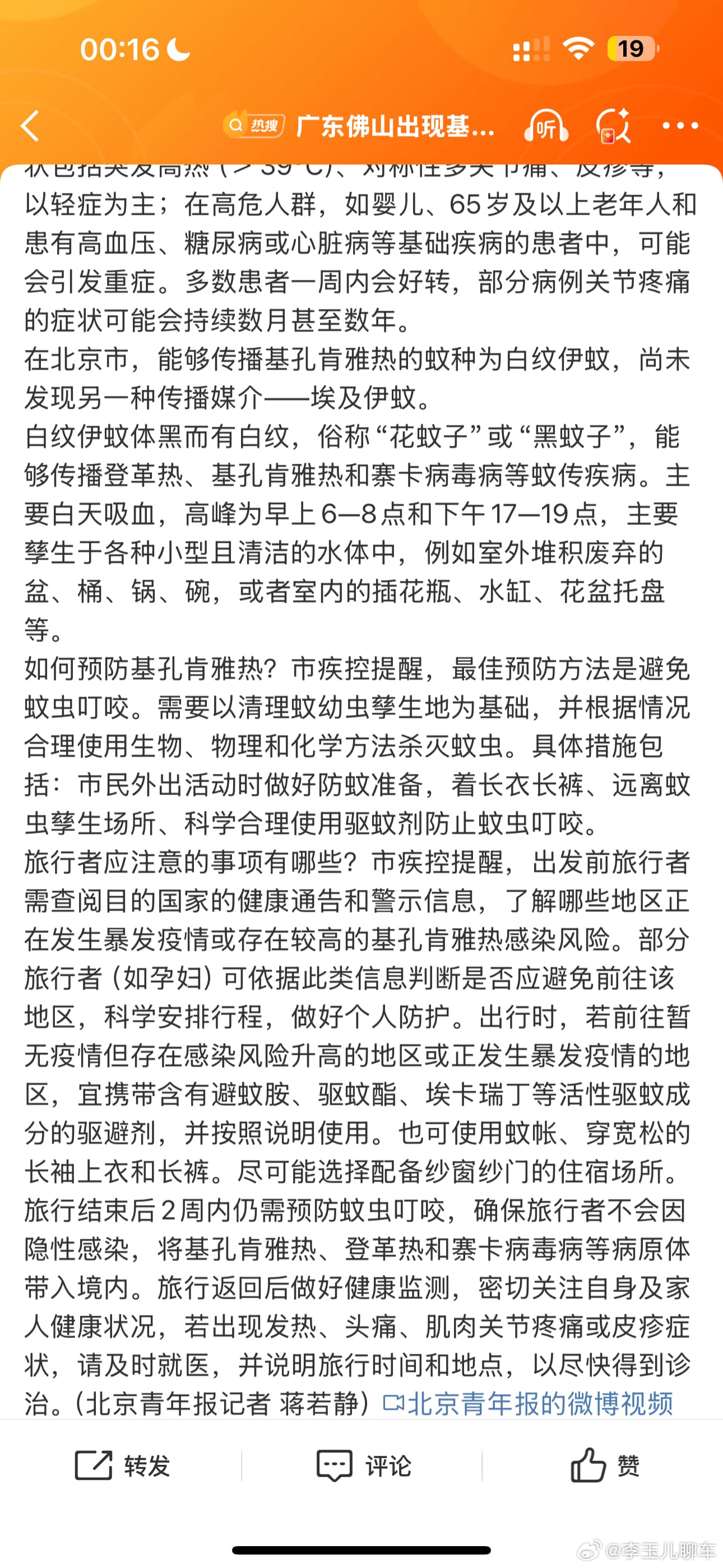
An outbreak of Chikungunya fever in Foshan, Guangdong province, China, has drawn significant attention on social media and raised public health concerns. The outbreak, primarily concentrated in the Shunde District, has seen a rapid increase in confirmed cases, with over 2,000 reported cases as of late July.
23 July 2025
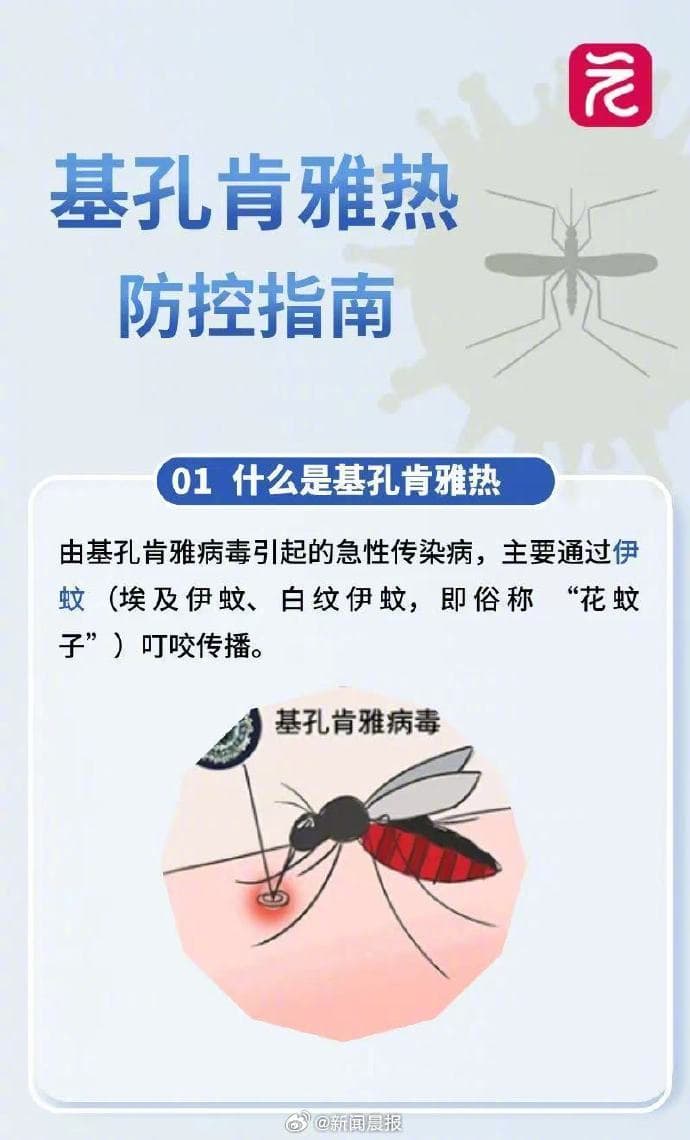
Chikungunya fever, transmitted by the Aedes aegypti mosquito, is characterized by symptoms such as high fever, severe joint pain, rash, and muscle aches. While most cases are mild and self-limiting, the joint pain can persist for months, potentially impacting the daily lives and productivity of affected individuals.
The societal implications of the outbreak are multifaceted. The public health burden of diagnosing and managing the influx of cases, even if mild, can strain local healthcare resources. Additionally, the outbreak has heightened public awareness and anxiety regarding mosquito-borne diseases, emphasizing the importance of effective public health communication to manage public concern.
The economic and industry implications of the outbreak are also significant. Local businesses and tourism in Foshan, particularly in the Shunde District, may experience short-term impacts due to reduced foot traffic and gatherings. The healthcare industry may see an increased demand for medical consultations, testing, and symptom treatment, highlighting the need for robust public health infrastructure and emergency response capabilities.
The political and governance implications of the outbreak are evident in the local government's emergency response and the maintenance of public trust through transparent reporting of case numbers and response measures. The effectiveness of these measures in controlling the spread will be a key indicator of governance capacity.
Key figures in the response to the outbreak include He Jianfeng, chief scientist at the Guangdong Provincial Center for Disease Control and Prevention, and Wen Xi, an expert who commented on the Chikungunya virus and its transmission.
The timeline of the outbreak began with the earliest detection on July 8th, with 481 cases reported between July 8th and 14th, primarily in the Shunde District. By July 20th, the cumulative cases in Shunde District reached 2,158. The latest information suggests that the outbreak is ongoing, with officials focusing on mosquito control to prevent further spread.
The outbreak has become a trending topic due to the rapid increase in confirmed cases, the significant public health concern it poses, and the active discussions on social media platforms. The fact that it's a mosquito-borne illness and the recent heavy rains in Guangdong, which may create more breeding grounds for mosquitoes, also contribute to its trending status.
As the situation continues to evolve, the Chikungunya fever outbreak in Foshan, Guangdong province, remains a significant public health concern with far-reaching implications for society, the economy, and governance.
Share this article
Related Articles

China’s “Ugly Hour” Push: Viral Hashtag Sparks Nationwide Call for 1‑3 a.m. Bedtimes and New Sleep‑Health Policies
By Trending on Weibo
Health
15 Sept 2025

Actress Tang Yan Named First Infant Respiratory Health Ambassador in China’s Nationwide “Good Breathing Protection” Campaign
By Trending on Weibo
Health
13 Sept 2025
Veteran Chinese Actor You Benchang’s Nursing‑Home Move Signals a Shift in China’s Attitude Toward Elder Care.
By Trending on Weibo
Health
9 Sept 2025
Viral Chinese Hashtag Raises Awareness of “Chemical Damage” Caused by Severe Diarrhea.
By Trending on Weibo
Health
4 Sept 2025
Viral “No‑Exercise” Weight‑Loss Hacks Sweep China: Seven Simple Habits Spark Debate
By Trending on Weibo
Health
2 Sept 2025