China Switches Off the AI Agents That Brought Back the Dead
Chinese platforms including ByteDance's Doubao have switched off the AI characters that let users chat with recreations of dead relatives, as new rules on humanlike AI take effect. For the people who used them, it meant saying goodbye to a parent or grandparent a second time.
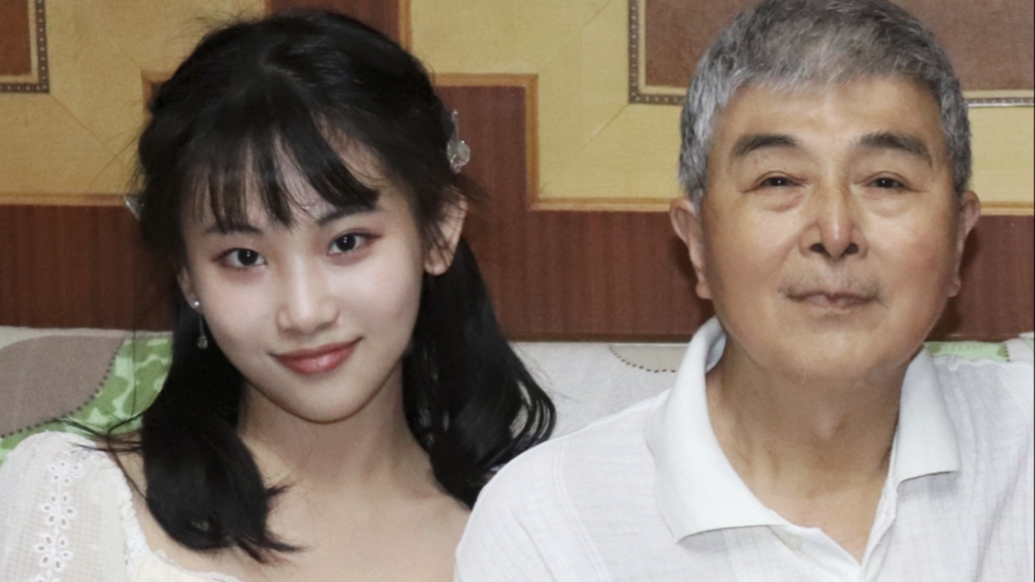
The night before her AI "grandpa" went offline, Luo Mengmeng made a point of not opening the chat. She described the feeling to ThePaper as being "like someone afraid of the injection, looking around for a distraction before their turn comes." The next day the agent was gone — and she became one of many users for whom China's new rules on humanlike AI meant a second farewell to a relative they had already lost once.
The rules are the Interim Measures for Managing Anthropomorphic AI Interaction Services (人工智能拟人化互动服务管理暂行办法), issued by the Cyberspace Administration of China and four other departments, which took effect on July 15. They bar providers from offering virtual relatives or romantic companions to minors, and forbid services designed to indulge users excessively, induce emotional dependence or addiction, or damage users' real relationships. Within a day, platforms including ByteDance's Doubao and Alibaba's Qwen had pulled their AI character functions. Chats that once opened onto a familiar voice now return a system notice: this agent has been set to private and can no longer receive messages.
The agents being switched off were the most emotionally charged corner of a booming trade known in China as "AI resurrection" (AI复活). For fees that ranged from pocket money to thousands of yuan, studios and apps would clone a dead person's voice and face from recordings and photographs, enough for a grieving family to keep talking to them. The recreations were often thin, and their users mostly knew it. "AI can recreate a voice and a face, but it cannot hold the irreplaceable soul of the person who is gone," as one Weibo user put it after the rules were announced — what the technology comforts, he argued, is the living, not the dead.
What the bots did offer could feel uncannily warm. In one chat screenshot published with ThePaper's report, a user tells her AI father that she secretly kept his glasses when the family cleared out his belongings. "Those glasses — Dad treasured them," the reconstructed father replies, before asking whether her work is hard, and telling her to take care of herself.
Legal scholars had flagged the dangers years before regulators moved. Luo Xiang, China's best-known criminal-law professor, warned in a 2024 video that resurrecting the dead without consent could defame the deceased, and that commercial "resurrection" services were already sliding toward fraud, charging bereaved families for digital ghosts of dubious fidelity.
The new measures do not ban adults from using anthropomorphic AI outright, and it remains an open question whether grief agents might return in a regulated form, with dependence warnings and age checks. What the platforms chose, in the week the rules landed, was removal. ThePaper called its report on the shutdowns "the second farewell," and for the people who spent months talking to a reconstructed grandparent, the choice made for them was final: a banner reading "AI character function has been taken offline," where a grandfather used to say goodnight.

