Wang Teng Left Xiaomi to Sell Sleep: His Startup's First Smart Ring Launches at 1,799 Yuan, Half of Oura's Price
Wang Teng, the former face of Redmi marketing, launched his sleep-tech startup ISHO on Thursday night — a 1,799-yuan smart ring pitched line-by-line against Oura 5, a bedding system benchmarked to Eight Sleep, and a bet that China's next health spend is in the bedroom.
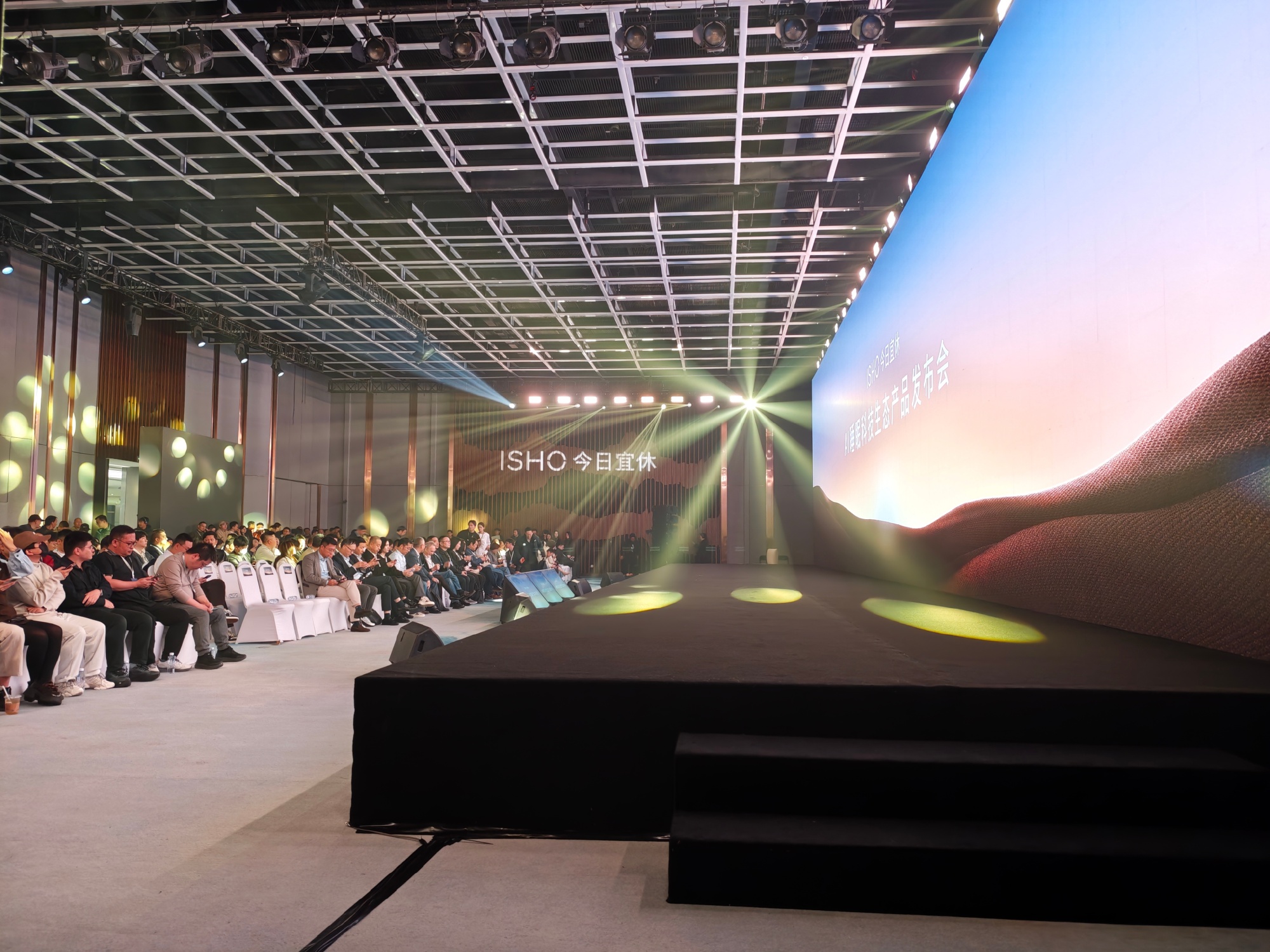
The most anticipated product launch in China on Thursday night was not a phone or a car. It was, in the founder's framing, an argument for going to bed.
Wang Teng spent years as the marketing face of Redmi, Xiaomi's value-brand line — a routine of keynote battles, fan Q&As and the occasional viral spat that earned him the nickname "Emperor Wang Teng" (王腾大帝) among enthusiasts. On Thursday at 7 p.m. he opened the first launch event of his own company, ISHO 今日宜休 — the name means, roughly, "today is a good day to rest" — and presented a sleep-tech ecosystem: the ISHO Ring smart ring, an app, and the iFlow (iFlow), a temperature-controlled bedding system.
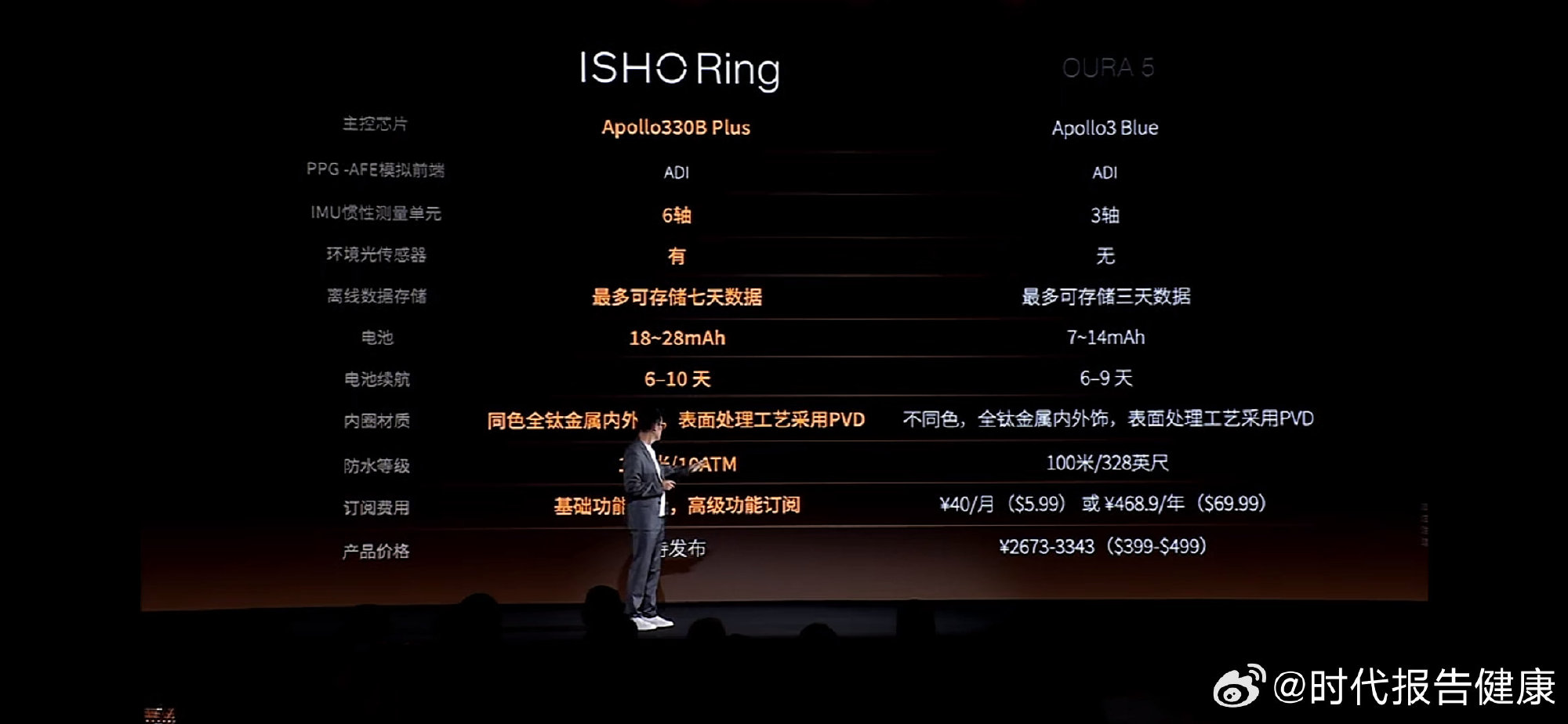
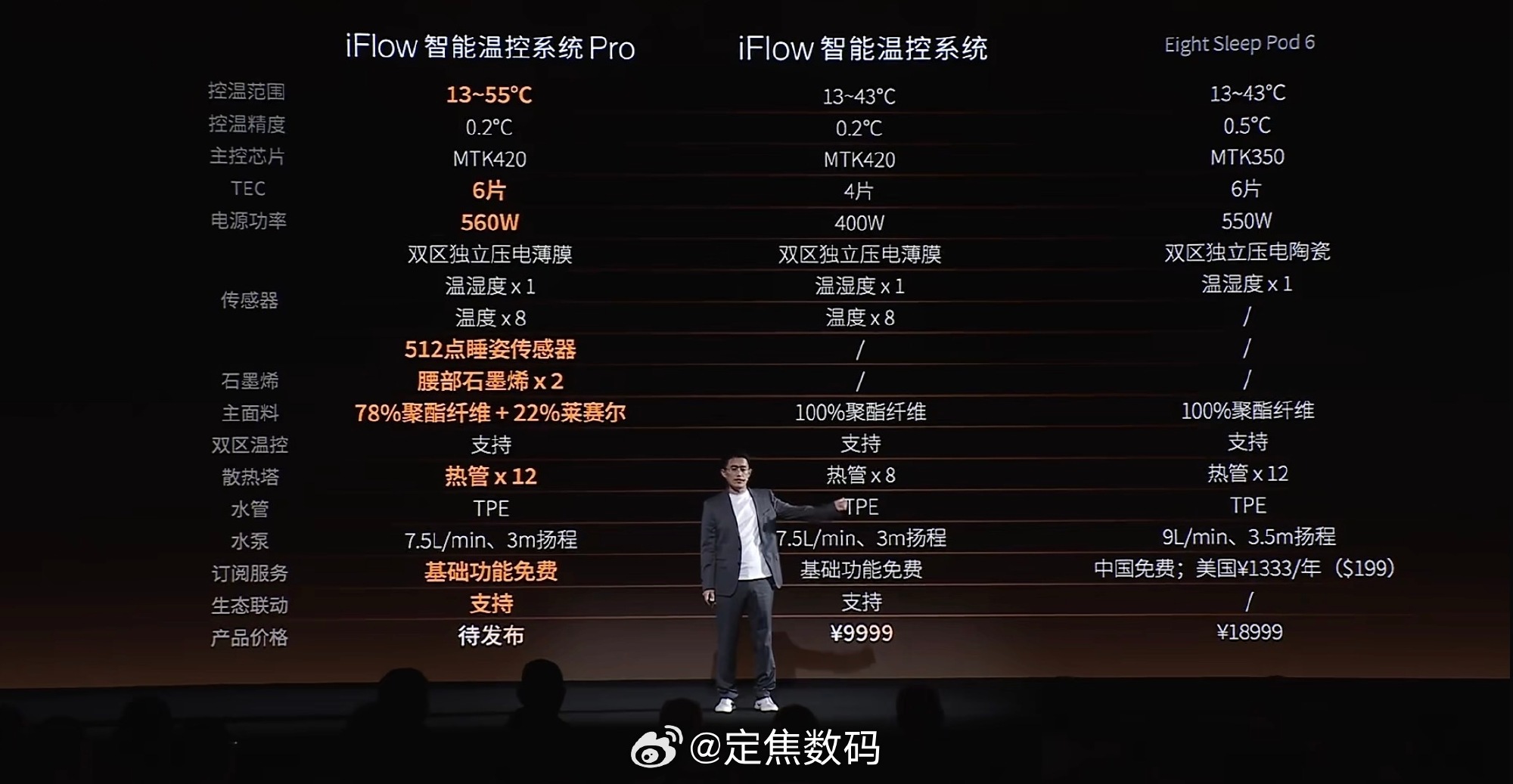
The Ring is the headline. Smart rings are Oura's territory: a health tracker worn on a finger, usually Nordic, usually expensive. ISHO's presentation did not pretend otherwise. A slide shown on stage put the ISHO Ring beside the Oura 5 line by line — sensor counts, battery life of 6 to 10 days against Oura's 6 to 9 — and then arrived at the difference: ISHO's ring starts at 1,799 yuan (about 250 dollars), its Pro version at 2,199, against Oura 5's 2,673-to-3,343-yuan Chinese pricing plus a 40-yuan monthly subscription. The same tactic ran through the bedding product: a comparison table against Eight Sleep's Pod 6, priced at 9,999 and 18,999 yuan in China, noted Eight Sleep's American subscription at 1,333 yuan a year — and the absence of one for ISHO's Chinese customers.
The pitch lands on a country with a sleep problem. China's white-collar workforce treats chronic short sleep as a fact of life, and a "sleep economy" (睡眠经济) of mattresses, melatonin gummies and monitoring wearables has grown around the deficit. What ISHO is betting is that sleep is the next health category Chinese consumers will spend their way out of — the site has written about the "rejuvenation trio" of weight-loss jabs and medical spas that middle-aged Chinese men now buy, and the finger-worn ring pitches itself as the mass-market version of the same impulse.
At the end of the event Wang Teng closed with the line that set off the night's biggest hashtag: thank you, Xiaomi; thank you, Mr. Lei (感谢小米,感谢雷总). The gesture was read as gracious by some and as a departing executive marking his own name by others — a photo of the moment drew nearly a thousand likes.
The skeptics went after the category rather than the brand. "A smart ring's job is to monitor sleep," argued a post by writer Wang Weichen, liked nearly 100 times. "But after the ring tells you your sleep data, what then? You still have to improve it yourself. For most ordinary people there's no need at all — or it's a two-to-three-hundred-yuan need. At nearly 2,000 yuan, popularizing this in China has a very, very long road." The auto-media reviewer Han Lu, unboxing the Ring on camera, came away gentler: a new category moving "from the wrist to the fingertip," he said, "interesting."
Whether a startup can outsell Oura by being half the price with no subscription is now answerable in the market. The deeper bet is the Chinese one: that the next consumer-health wave will be bought not in hospitals but in bedrooms.