Chinese Internet Star Li Xueqin Spotted Hand‑in‑Hand with Boyfriend Wang Yitong, Sparking Viral Praise and Debate.
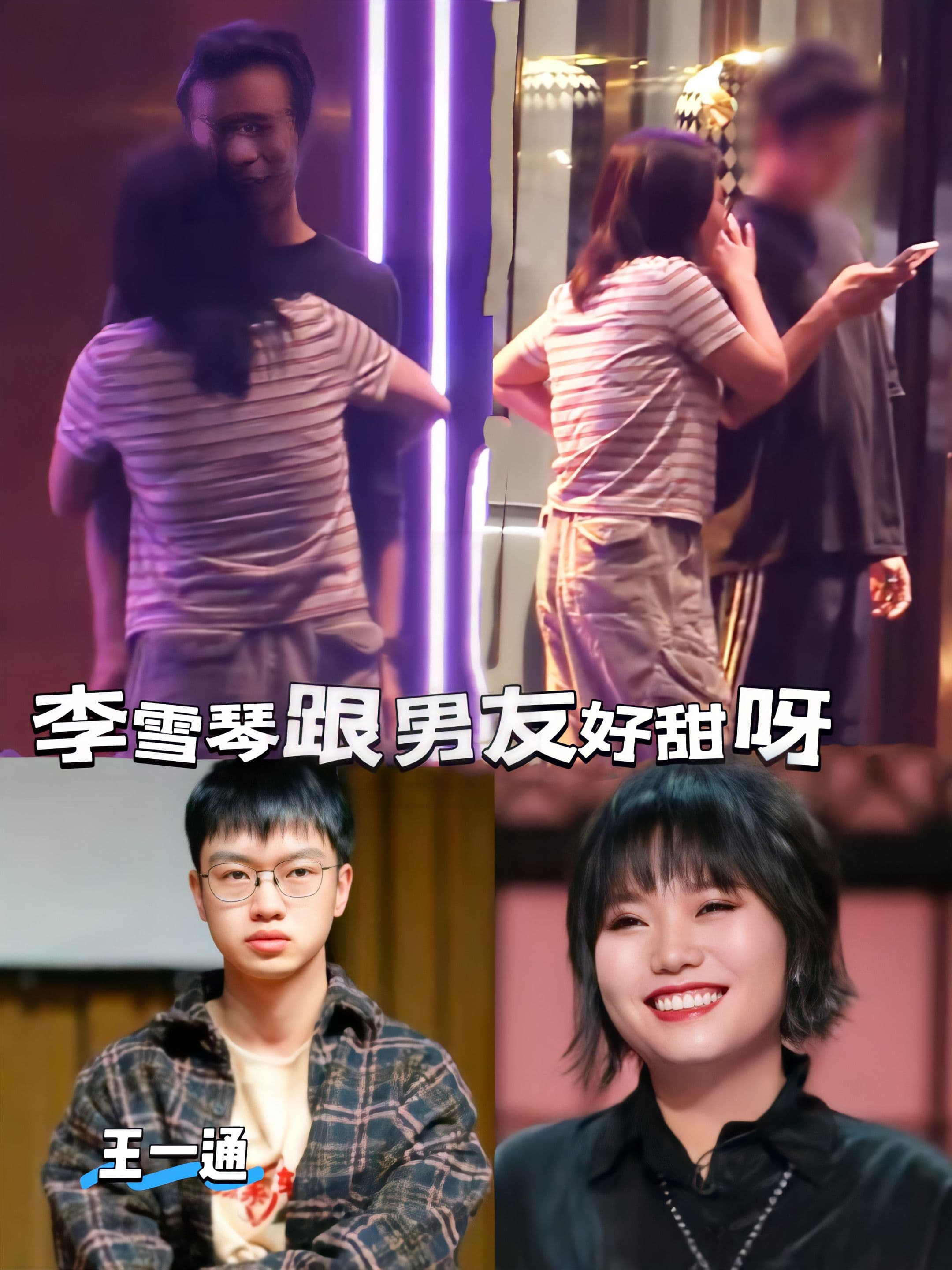
Comedian Li Xueqin, one of China’s most beloved internet personalities, was spotted strolling through a busy downtown street this week arm‑in‑arm with her boyfriend, Wang Yitong, sharing a casual hug and holding hands as they passed by onlookers. The moment, captured on video and shared widely on Weibo under the hashtag #李雪琴与男友街头挽手拥抱, quickly went viral, prompting a flood of comments that ranged from delighted applause to a few sceptical whispers about the couple’s chemistry.
19 August 2025
Li, whose sharp observational humor and self‑deprecating style have earned her a massive following on platforms such as Bilibili and Douyin, has long been a fixture in Chinese pop culture. Her jokes often touch on the everyday frustrations of dating and the pursuit of happiness, making her personal life a focal point for fans eager to see whether the punchlines of her routines have any grounding in reality. The recent footage, which shows Wang playfully scooping Li up for a brief lift before they settle into a comfortable, hand‑in‑hand walk, has been described by netizens as “sweet” and “heart‑warming,” with many posting that “happiness is overflowing” and that they are “really happy for Xueqin.”
The enthusiasm on Weibo reflects a broader shift in how Chinese celebrities manage their private lives. Not long ago, relationships among high‑profile figures were carefully curated, often kept out of the public eye until a strategic announcement. Today, the relentless appetite of fans for intimate glimpses, amplified by the immediacy of short‑form video, has turned personal moments into public commodities. Li’s openness—whether intentional or a byproduct of her fame—has drawn both affection and scrutiny. While many commenters celebrated the duo as “soulmates” and praised Li’s apparent newfound confidence, a smaller chorus noted subtle tension in Wang’s body language, questioning whether his embrace was a little too reluctant.
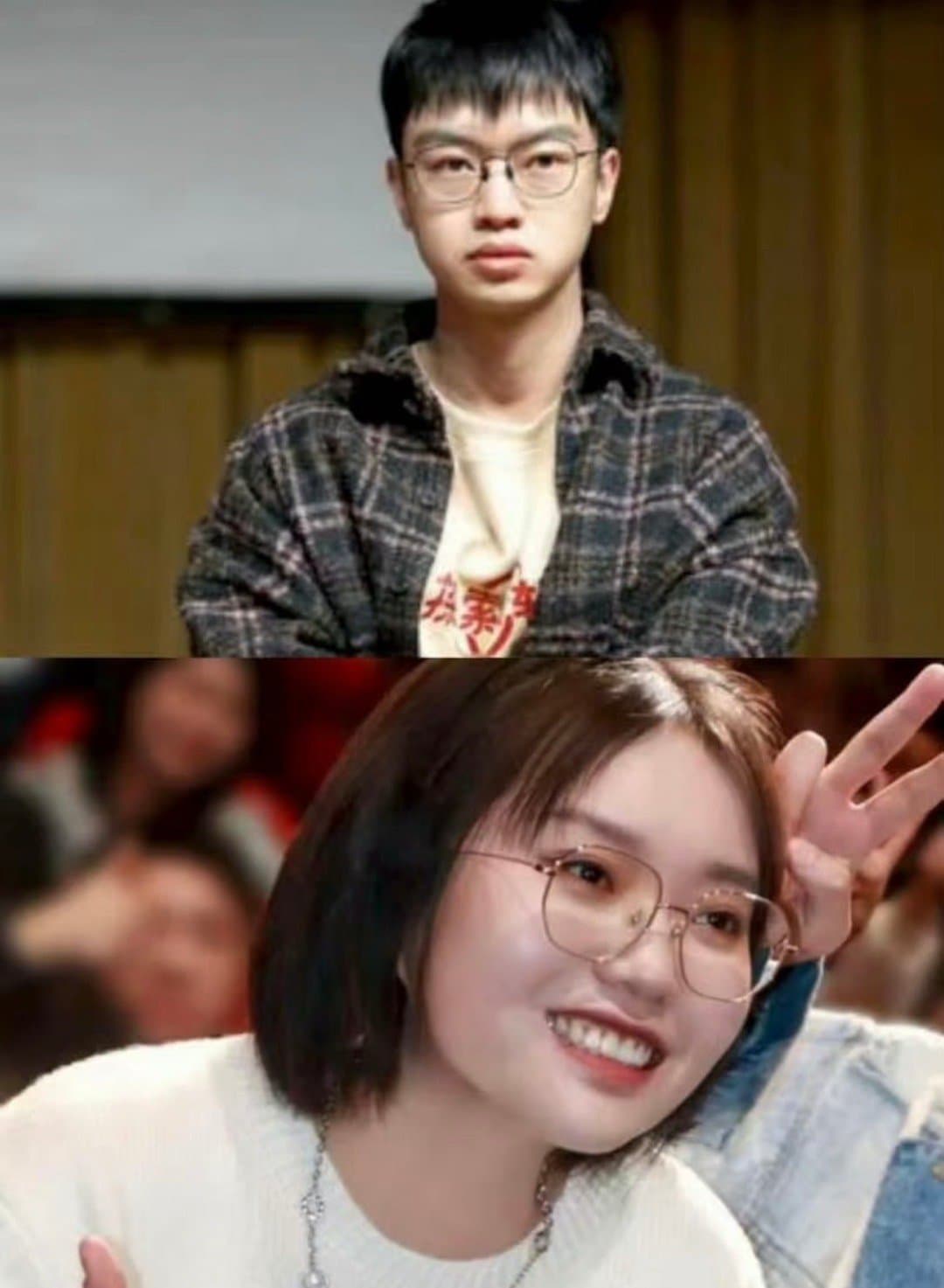
The narrative that has taken hold around the pair leans heavily on what Chinese social‑media users have dubbed “智性恋” – a relationship built on intellectual compatibility rather than mere physical attraction. One comment likened the couple to “soulmates,” suggesting that their bond resonates with a segment of the audience that values shared wit and cultural curiosity. For Li, whose comedic persona is built on candid introspection, the perception of an “intellectual love” aligns neatly with her brand, reinforcing an image of a modern, thoughtful woman who has finally found a partner who “gets” her.
Beyond the personal and cultural dimensions, the episode underscores the commercial engine driving celebrity romance in the digital age. Every share, comment, and repost of the street‑side footage generates traffic for Weibo, a platform that monetizes user engagement through advertising and brand collaborations. For Li and Wang, the visibility translates into heightened marketability; brands are eager to attach themselves to a couple that epitomises positivity and authenticity. In recent months, Li’s sponsorship deals have expanded, and the public’s warm reception of her current relationship could open doors to new endorsements that play off the “happy, confident” narrative now circulating online.
At the same time, the episode raises perennial questions about privacy in an era when personal moments can be captured by a passing bystander and transformed into viral content within minutes. While fans crave the sense of authenticity that unfiltered footage provides, the constant surveillance blurs the line between a celebrity’s public performance and their private life. For Li, whose career thrives on relatability, navigating that balance will likely remain a delicate act.
The reaction to the street‑level display of affection also hints at changing attitudes toward public displays of love in China. Historically, overt PDA was sometimes frowned upon in more conservative circles, but the warm reception of Li and Wang’s moment suggests a growing acceptance, particularly among younger netizens who view such gestures as signs of genuine connection rather than ostentatious showmanship. The couple’s visible happiness – with several observers noting that Li appears “more confident and beautiful” since beginning the relationship – feeds into a cultural conversation about how emotional well‑being can manifest outwardly, influencing public expectations of what a healthy relationship looks like.
In sum, what began as a simple stroll captured on a smartphone has rippled outward, touching on themes of celebrity image management, the allure of intellect‑driven partnerships, the economics of online attention, and the evolving norms surrounding love in the public sphere. Whether the couple’s affection proves durable or is merely a fleeting snapshot in the relentless churn of digital fame, Li Xueqin’s hand‑in‑hand walk with Wang Yitong offers a vivid illustration of how modern Chinese pop culture intertwines personal narratives with the broader currents of social media, commerce, and cultural change.
Share this article
Related Articles

Ruby Lin Says She and Wallace Huo Are Still “Adjusting” After Seven Years, Igniting Viral Debate on Celebrity Marriages
By Trending on Weibo
Entertainment
15 Sept 2025
“Too Much Qi”: A Light‑hearted Joke on ‘Sisters Who Make Waves’ Sparks Celebrity Smear Campaign, Wellness Debate and Online Meme Frenzy in China
By Trending on Weibo
Entertainment
15 Sept 2025
Li Ronghao’s Tour Surge, New Video Release, and NFC Album Glitch Spotlight Quality‑Control Challenges in China’s Pop Scene
By Trending on Weibo
Entertainment
13 Sept 2025
Mu Zhicheng Emerges as TF Entertainment’s Hottest Trainee Amid Viral Social‑Media Surge and Anticipated Debut
By Trending on Weibo
Entertainment
13 Sept 2025
China’s Emerging Acting Sensation Zhang Kangle Poised for High‑Profile Film, Fashion, and Digital Stardom
By Trending on Weibo
Entertainment
13 Sept 2025