Ronaldo Faces a Possible Six-Month Ban and a Reassigned No. 7 Shirt After Walking Out on Portugal
Cristiano Ronaldo's exit from Portugal's training camp has escalated on every front: reports say he could be banned for up to six months, the national team has given his No. 7 shirt to Rafael Leão, and the fallout has been discussed at the level of the country's prime minister.
Cristiano Ronaldo's walk-out from Portugal's national team has kept escalating since he left the training camp, announcing he would explain himself “in due time.” What began as a standoff with coach Jorge Jesus has become a national affair: Chinese sports boards now report the 41-year-old could be banned for up to six months, the federation has given his No. 7 shirt to someone else, and the story has been talked about at the level of Portugal's prime minister.
The immediate cause is laid out in Zhihu's most-followed question on the affair, citing the Beijing Youth Daily's sports desk. Days earlier, at a press conference before a match against Wales, Ronaldo had said that without the coach's trust he would leave. Jesus promised him minutes against Norway; Ronaldo stayed on the bench. After the coach's next press conference, Ronaldo announced on social media that he was leaving camp. The report adds that walking out of camp without authorization could carry a suspension of up to six months — a punishment that would not merely end this camp but could end his international career by decree.
The most cutting signal came from the kit room. Chinese search boards carried the news that Portugal's No. 7 had been reassigned to Rafael Leão — the number Ronaldo spent two decades turning into a global brand. For a player who signs his own name CR7, losing the number while still an active player reads less like a squad update than a severing.
The affair's reach now exceeds sport: the phrase ranking high on both Weibo and Baidu reads that the exit “alarmed the Portuguese prime minister”. Whatever the prime minister's precise involvement, a squad dispute reaching his office measures two things at once: Ronaldo's weight in Portuguese public life, and how little precedent there is for a federation at open war with its greatest scorer — one that, by Chinese boards' account, had already chased him to the airport to plead.
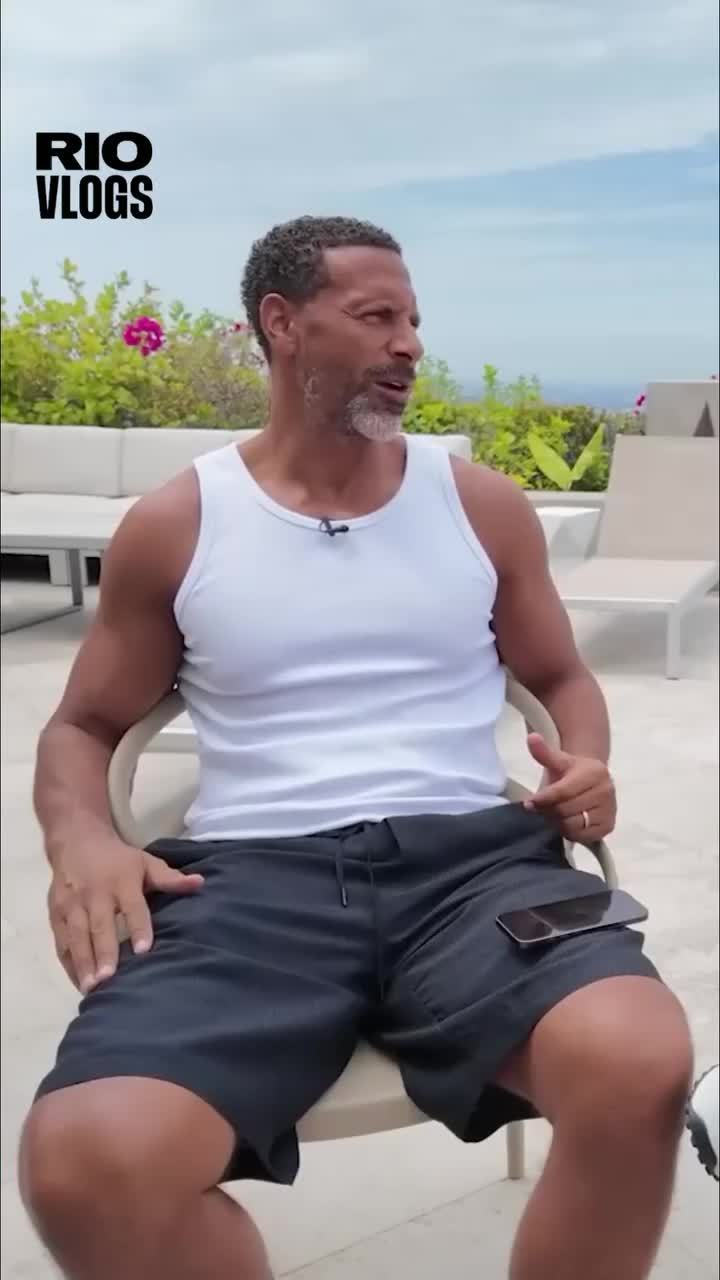
The defense has organized itself around the record. In a video circulated widely on Weibo, Rio Ferdinand pushed back on judging Ronaldo by his final seasons: “It annoys me a little that people's judgment is based on his last three or four years,” he said, pointing to his Madrid, United and Juventus years as “three world-class careers rolled into one.” Before Ronaldo, he asked, what had Portugal actually achieved — their best previous run was a World Cup semifinal in 1966, with Eusébio.
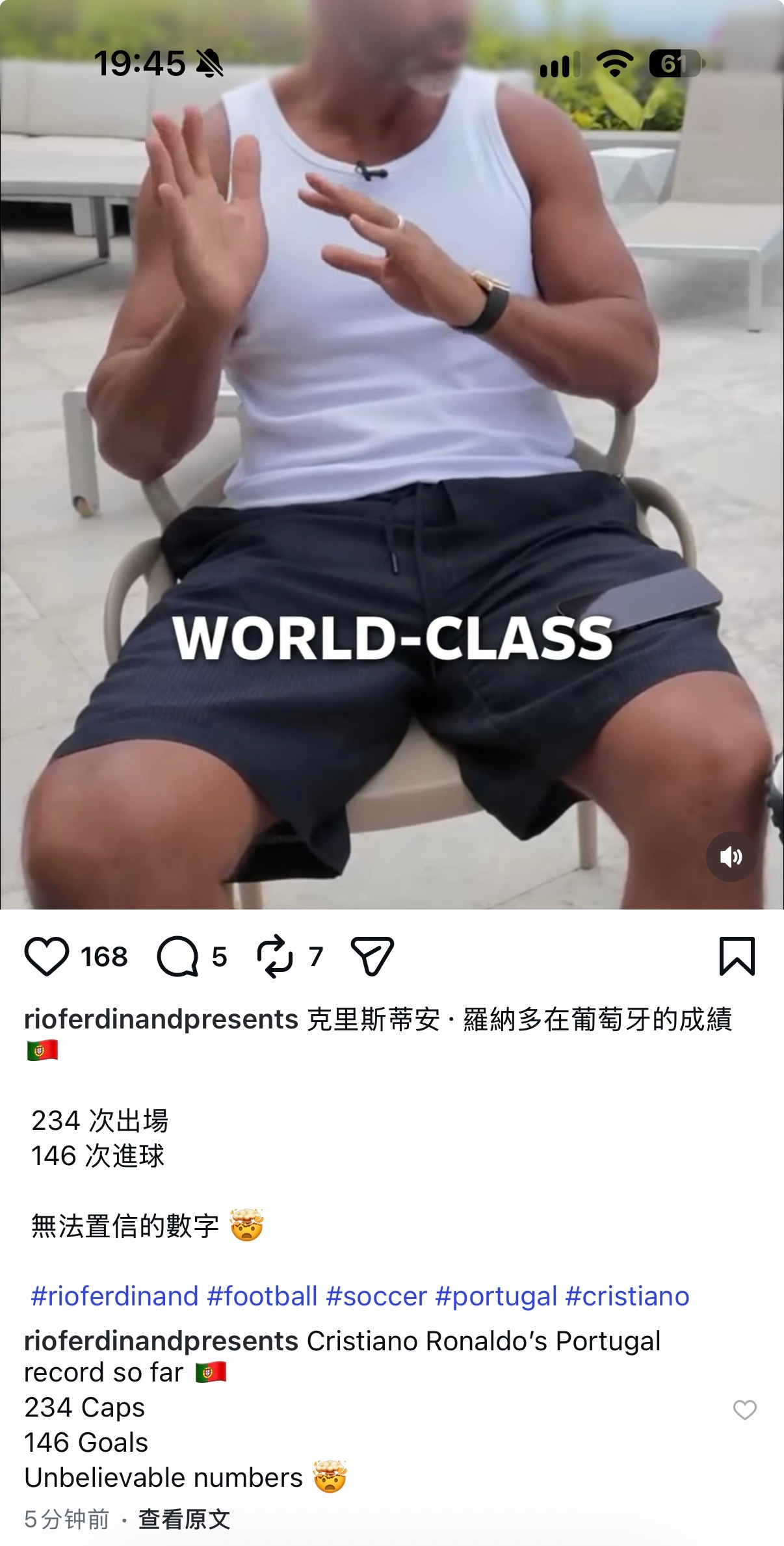
On Chinese platforms the argument has been blunter. One post liked nearly 2,000 times reconstructed the week as a betrayal: on this reading, the federation coaxed Ronaldo back with promises of a real role — Jesus had grown close to him while coaching in Saudi Arabia — and the new coach then used the most prestigious name in the dressing room to establish his authority. It is a fan's brief rather than a neutral record, but the posts surfacing on Weibo skew overwhelmingly the same way.
What happens next is genuinely open. The federation can formalize the rupture with a six-month ban — ending his international career by committee rather than by retirement — or swallow its pride and bring back a player it publicly begged to stay. The reassigned No. 7 shirt suggests the reconciliation has a long way to go.