Stolen a Century Ago, Two Song Dynasty Stone Heads Return From Australia to China's Imperial Tomb Fields
Two stone heads severed from Song dynasty tomb guardians a century ago were formally returned by the National Gallery of Australia on Tuesday — while the bodies they belonged to have stood, unmoving, in the wheat fields of Gongyi for a thousand years.
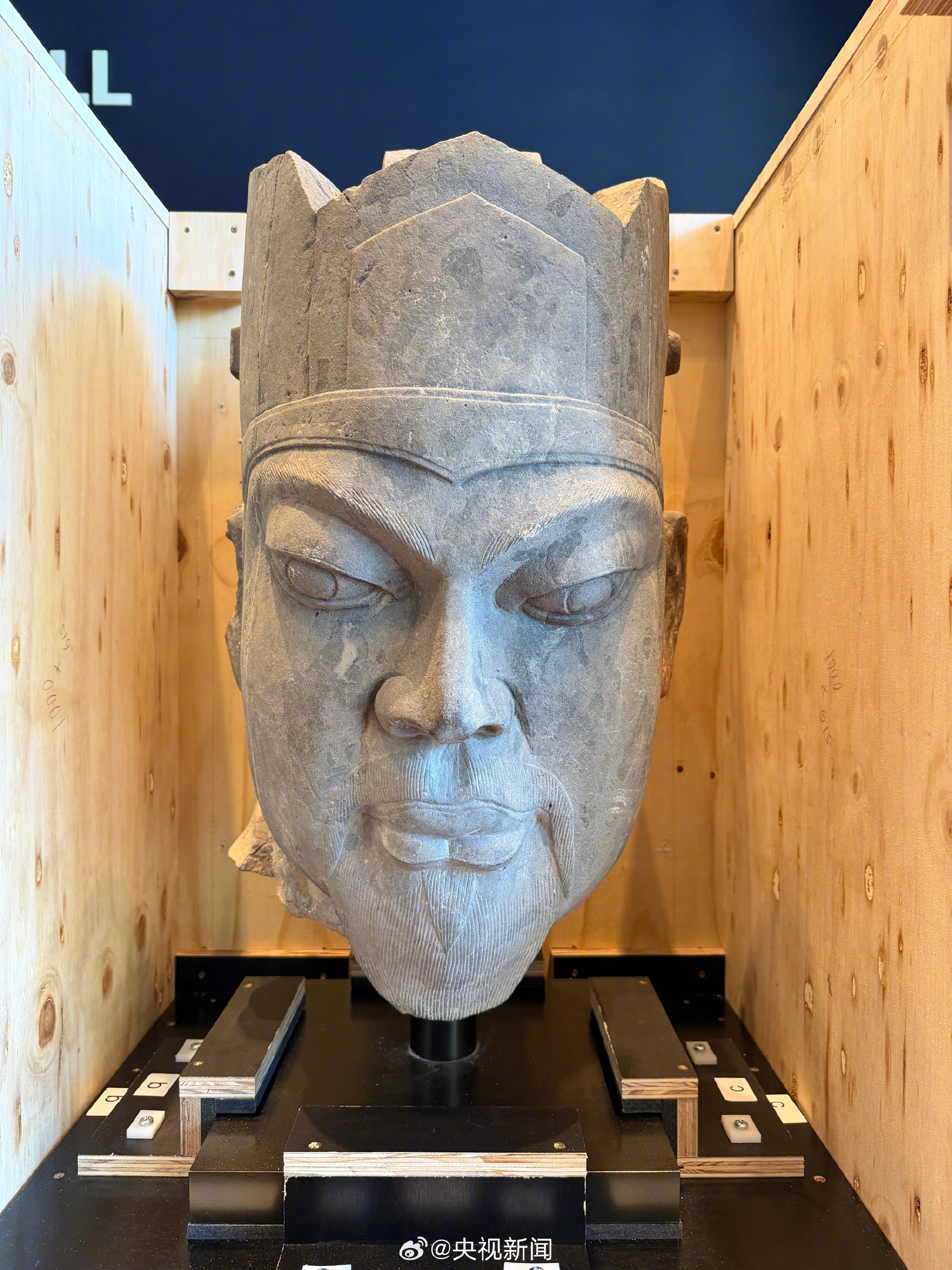
Two stone heads, severed from their statues a century ago, came home on Tuesday. At the National Gallery of Australia, China's National Cultural Heritage Administration formally received the head of a civil official from the Yongchang Mausoleum and the head of a military official from the Yongyu Mausoleum — both carved during the Northern Song dynasty and both handed back by the gallery.
The tombs they belong to are among China's strangest imperial landscapes. The Northern Song emperors were buried on open ground near Gongyi, in Henan province, where the stone officials, generals and guardian beasts lining their spirit ways stand in fields that farmers still work today. The returning heads belong to two of those figures: the civil official stood closest to the tomb of Song Taizu, the dynasty's founder, and the military official guarded the tomb of Song Shenzong, who died in 1085. As CCTV News put it in a post that travelled widely on Weibo: "Their bodies have stood in the wheat fields for a thousand years, never shifting a step; last century, the heads were stolen."
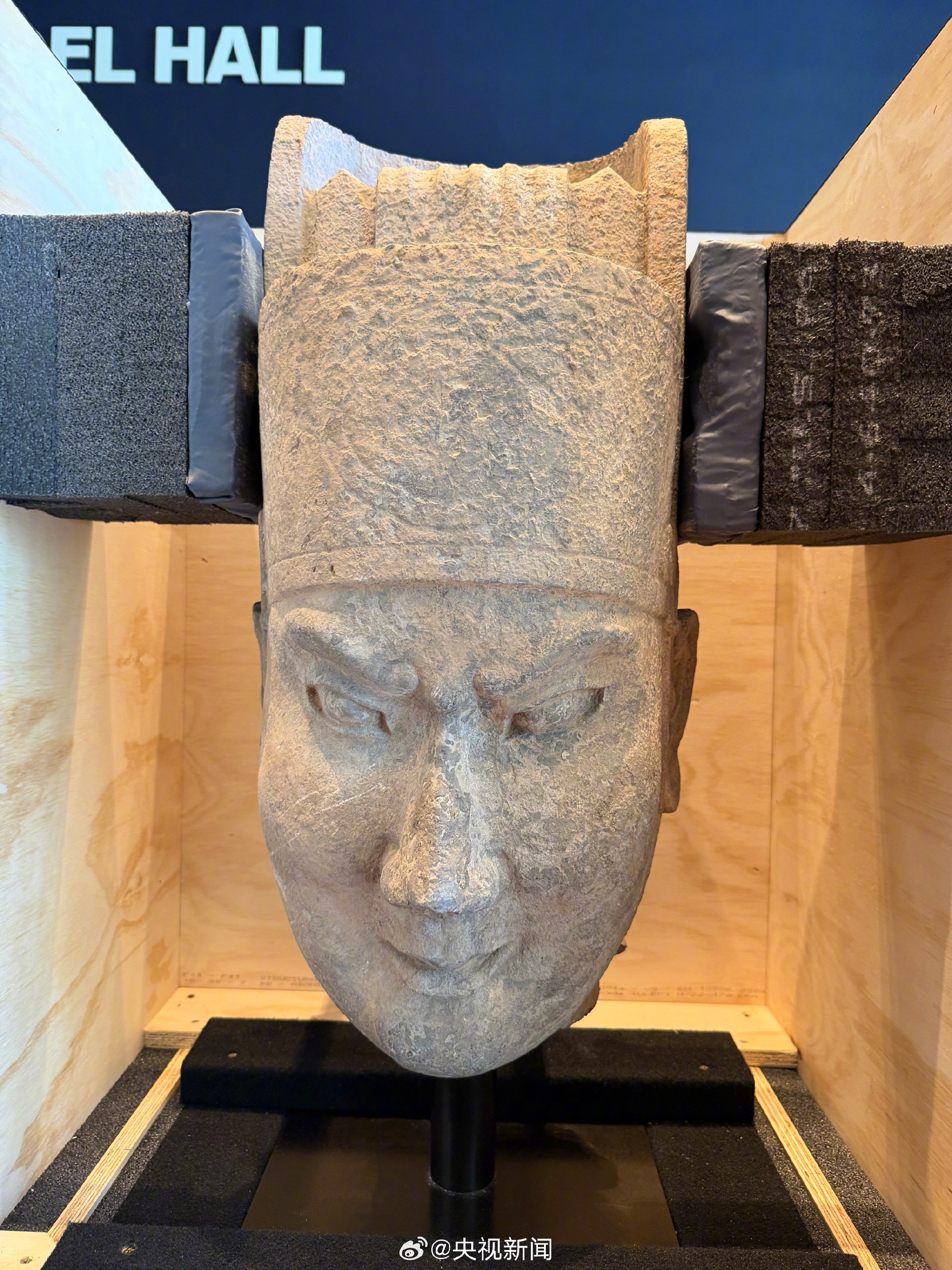
Gongyi preserves the largest and most complete cluster of Song imperial stone sculpture in China, and the two heads are counted among the representative works of Song carving. The thefts belong to the upheavals of the last century, when dealers and collectors carried off pieces from the tomb complex; the torso of the civil official has spent the decades since standing headless in the fields near Yongchang Mausoleum, exactly where its sculptors left it.
The return trended on Baidu's hot board, ran on Taiwan's Central News Agency, and was carried by CCTV and The Paper within hours — repatriations still carry enormous weight in China, where lost artifacts are treated as pieces of a national family brought home. The tone on Weibo was less diplomatic than wistful: the artifacts were back, one widely shared caption read, and "the millennium-old honor guard is a little more complete."
Whether the heads will be rejoined to their bodies or kept for study has not been announced. For now, both wait in padded transport crates, photographed by the state broadcaster before the journey home.