Taiwan Raises Its Minimum Wage Past NT$30,000, an Eleven-Year Streak of Increases
Taiwan's minimum monthly wage will rise to NT$30,900 next year — the first time it has broken the NT$30,000 psychological threshold after eleven consecutive years of increases, a milestone mainland Chinese social media greeted with wage-and-price comparisons.
Taiwan announced this week that its minimum monthly wage will rise from NT$29,500 to NT$30,900 next year, a 4.75 per cent increase that pushes the statutory floor past the NT$30,000 mark for the first time. The hourly minimum rises in step, from NT$196 to NT$205. It is the eleventh consecutive annual rise, a streak that has made incremental, review-based minimum-wage adjustment a settled routine rather than a political event.
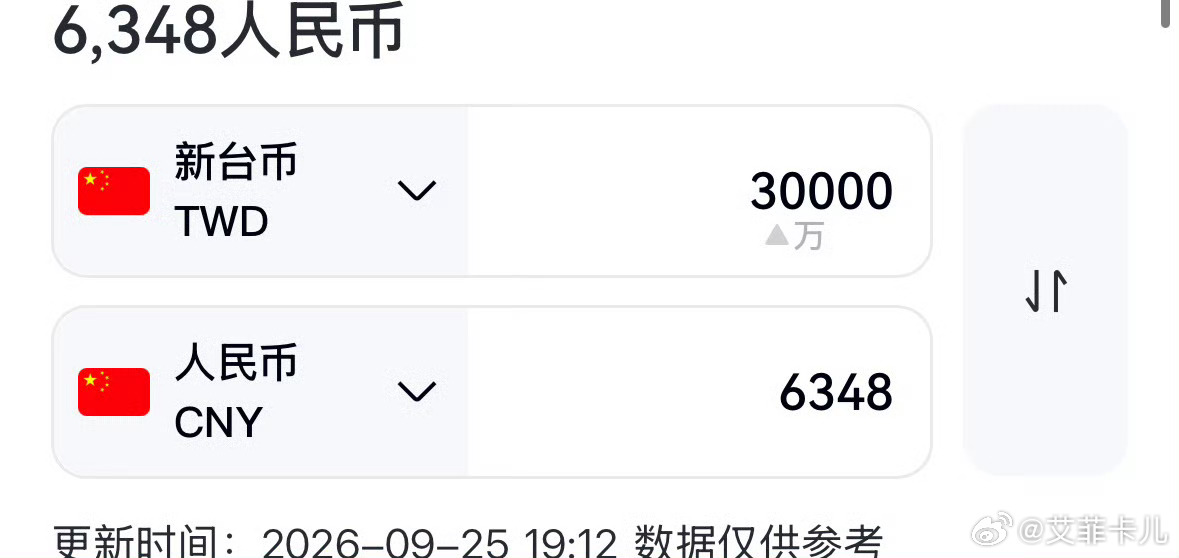
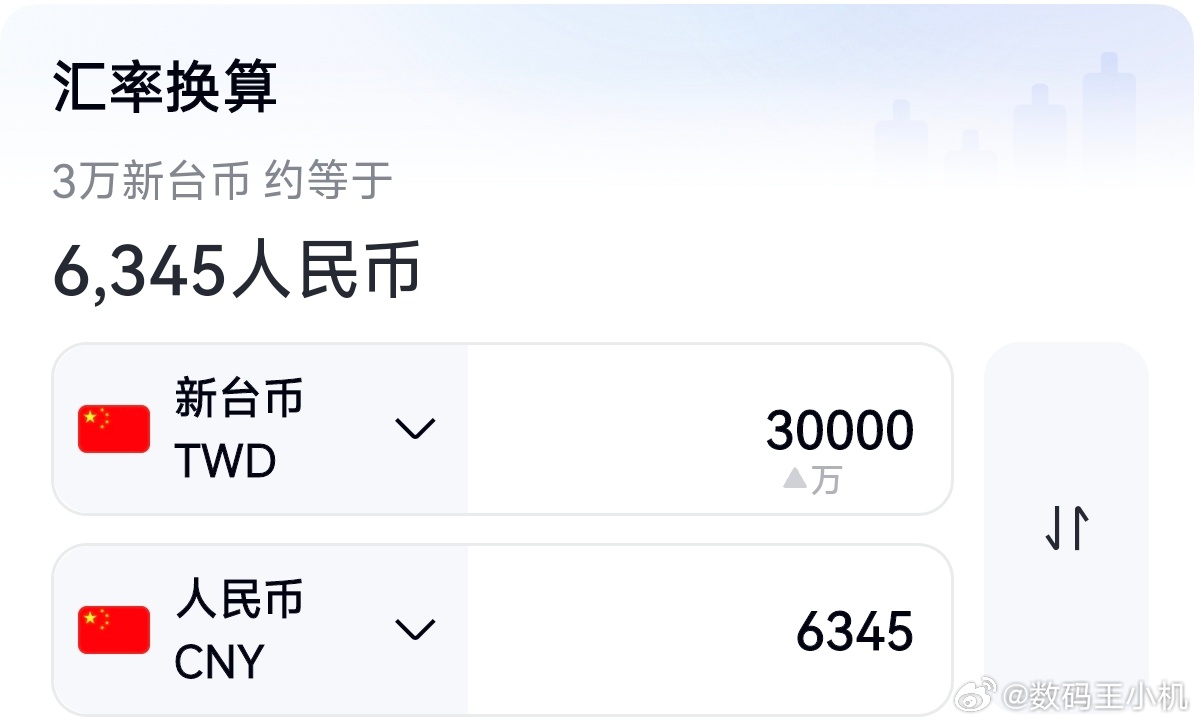
Yet the milestone crossed a psychological line, and both sides of the Taiwan Strait noticed. On Weibo, where the topic drew thousands of comments, the reaction was less about congratulations than about conversion: NT$30,900 works out to roughly 6,300–6,700 RMB, and commenters immediately began pricing a Taipei life against a mainland one. "In RMB terms that's just over 6,300," one Weibo post noted, alongside a screenshot of a currency app doing the maths, "and people say consumer prices there rival Shanghai's." Another replied that everywhere has high earners and low earners — the comparison is less about the figure than about what it buys.
That argument — purchasing power, not the nominal number — is the honest version of a debate mainland social media has with itself every time a Taiwanese or Japanese wage figure trends. Taipei's service-sector prices, from metro fares to beef-noodle broth, do rival Shanghai's in tourist districts, while housing is comparatively gentler than Beijing's or Shenzhen's. The Weibo thread quickly settled into the familiar cadence of such debates: anecdote, counter-anecdote, and a grudging consensus that a minimum wage of 6,300 RMB, backed by eleven years of uninterrupted rises, compares favourably with the mainland's own statutory minimums, which in most provinces still sit below 2,500 RMB a month.
The policy mechanics are the part an outside reader can actually use. Taiwan's minimum wage is set annually by a review committee that weighs consumer prices, economic growth and labour's share of productivity gains, and its eleven-year streak survived two changes of government. The mainland's minimum-wage system, by contrast, is set province by province on a looser schedule, and it was frozen in many regions during the post-pandemic years. The comparison, then, is less an insult to one side than a snapshot of two very different wage-setting regimes operating in the same economy.
For Taiwan's workers, the raise is a modest but real cushion against an inflation cycle that has been milder than the West's. For the mainland audience that made the topic trend, it was a rare, largely factual window into a neighbouring labour market that official media rarely examines in detail — proof, once again, that the numbers that travel furthest on Chinese social media are the ones readers can convert into their own currency and argue about.