China's Cultural Heritage Treasures and the Controversial Bride Price Custom: A Tale of Tradition, Respect, and Gender Equality
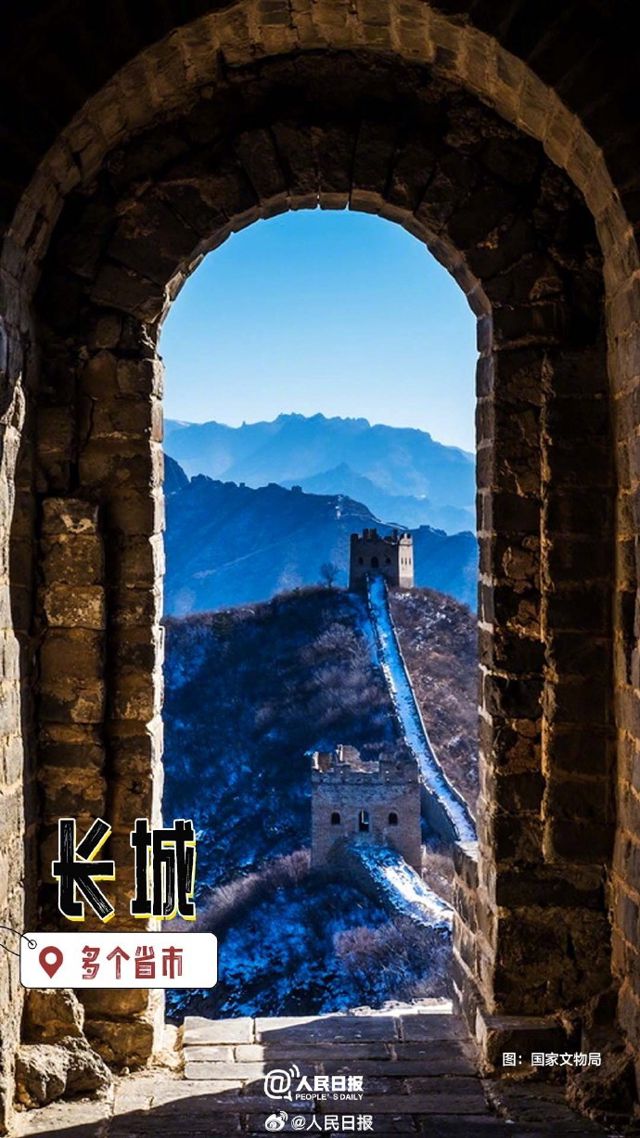
Title: The Fascinating World of China's Cultural Heritage and the Debate on Bride Prices China's cultural heritage is a treasure trove of ancient wisdom and artistic prowess, as evidenced by the stunning UNESCO World Heritage Sites such as the Great Wall, Mogao Caves, and the Terracotta Army. These priceless relics are a testament to China's rich history and cultural diversity, and they continue to captivate people both domestically and internationally. A recent social media trend under the hashtag #中国文化遗产有多美 (#HowAmazingIsChineseCulturalHeritage) has been gaining traction, with netizens sharing their favorite cultural heritage sites and experiences. From the intricate craftsmanship of the non-material cultural heritage like the fan-making technique to the intellectual allure of ancient Chinese literature, the conversation revolves around the importance of preserving and promoting these national treasures. In stark contrast to the celebration of China's cultural gems, another heated discussion on Weibo centers around the controversial topic of bride prices, or cáijiā (彩价), as it is known in Chinese. The hashtag #古代的彩礼要花多少钱 (#HowMuchDidBridePricesCostInThePast) has sparked a lively debate on the custom's historical context, significance, and impact on modern-day society. Historically, bride prices were a symbol of respect and acknowledgment of a woman's value within her family and society.