China's Tech Boards End October Down More Than 23% as the AI Trade Unwinds
On the last trading day of October a midday rally briefly trended as good news, then faded by the close. China's ChiNext and STAR Market indices ended the month down more than 23 percent as the global AI trade comes in for a repricing.
China's stock market closed out October on Friday with the decline that had been a month in the making: both of the country's boards for young technology companies lost more than 23 percent over the month, and the final session offered a miniature of it — a morning slump, a midday rescue that briefly trended as good news, and a last hour that handed the rescue back.
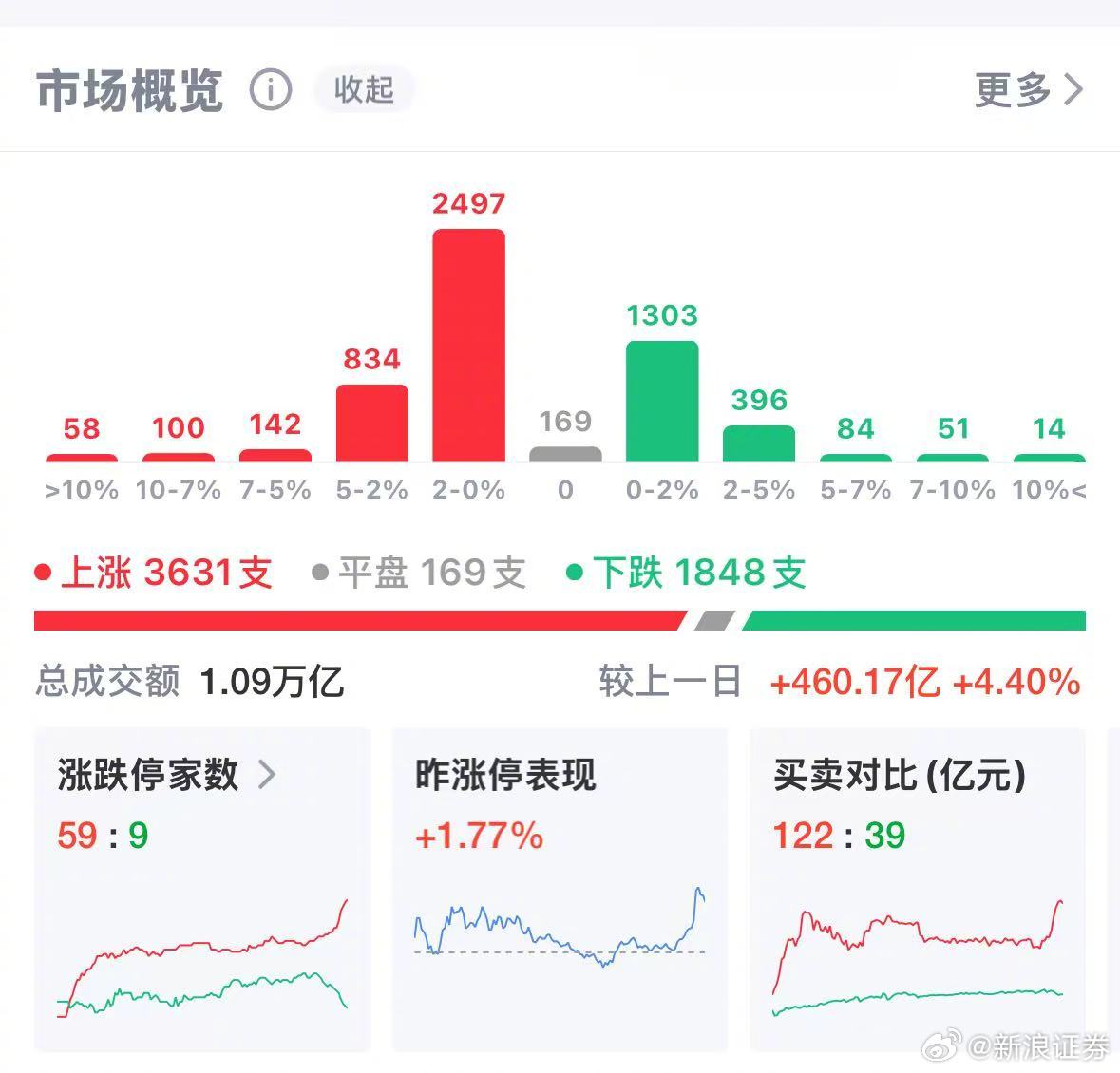
At the open, the ChiNext board was down nearly 3.6 percent, the Shenzhen Component 2.6 percent and the Shanghai Composite 1.5 percent. Shortly before midday, all three turned positive together, and the phrase "A-shares pulled it around in the afternoon" (A股午后拉起来了) climbed the hot list. A dashboard posted by Sina Securities at midday showed 3,631 stocks up against 1,848 down — a market caught, for a moment, on its way back up.
By the close it was gone. The Shanghai Composite finished 1.44 percent lower, the Shenzhen Component 2.73 percent, the ChiNext 4.13 percent and the tech-heavy STAR 50 index 5.48 percent, with both growth boards setting their lows for the day in the final minutes. More than 4,600 stocks fell as turnover swelled to roughly 1.69 trillion yuan — heavy selling into the very rally that had trended at lunchtime, as Sina Securities' closing wrap recorded.
The month's arithmetic is stark. The ChiNext now sits more than 44 percent below its June record, as summaries trending on Baidu's news board noted. The unwinding has centred on the AI-hardware trade of optical modules, circuit boards and chip stocks that carried Chinese tech through the summer. Friday's leading sectors were liquor, pharmaceutical outsourcing and ports — the market's oldest defensive reflexes — while film, gaming and software led the fallers.
The backdrop is global. Seoul fell harder still: South Korea's KOSPI lost close to 4 percent on the day, with SK Hynix down 7 percent, while Hong Kong rose. The Paper's markets desk recorded the same arc — heavy morning losses, a midday turn, an afternoon in which "liquor and medicine" led. A market commentary carried by Sina described a world of structurally tight liquidity: a rising dollar, a Federal Reserve paused but overnight borrowing costs still climbing, a Bank of Japan stepping back from its bond-market support — a world in which Hong Kong and Korean stocks have come to trade like the two ends of a seesaw.
Retail investors were left to read the tape themselves. Sina Securities pinned a survey to its closing wrap — "Do you think A-shares can stop falling next week?" — and hundreds of comments arrived within the hour. The rebound, when it came, had lasted barely two hours; the question trending by dinner was not whether the afternoon rally happened, but whether anything stops the fall.