A Hit Chinese Medical Drama Stumbled Into the Country's Painful Memory of Ant-Farming Scams
Episode nine of CCTV's popular medical drama 'Small Town Remedy' features a scam that sounds invented: paying farmers to breed ants. Weibo's response was immediate — viewers recognized one of northeastern China's most devastating frauds, which took in more than a million farmers.
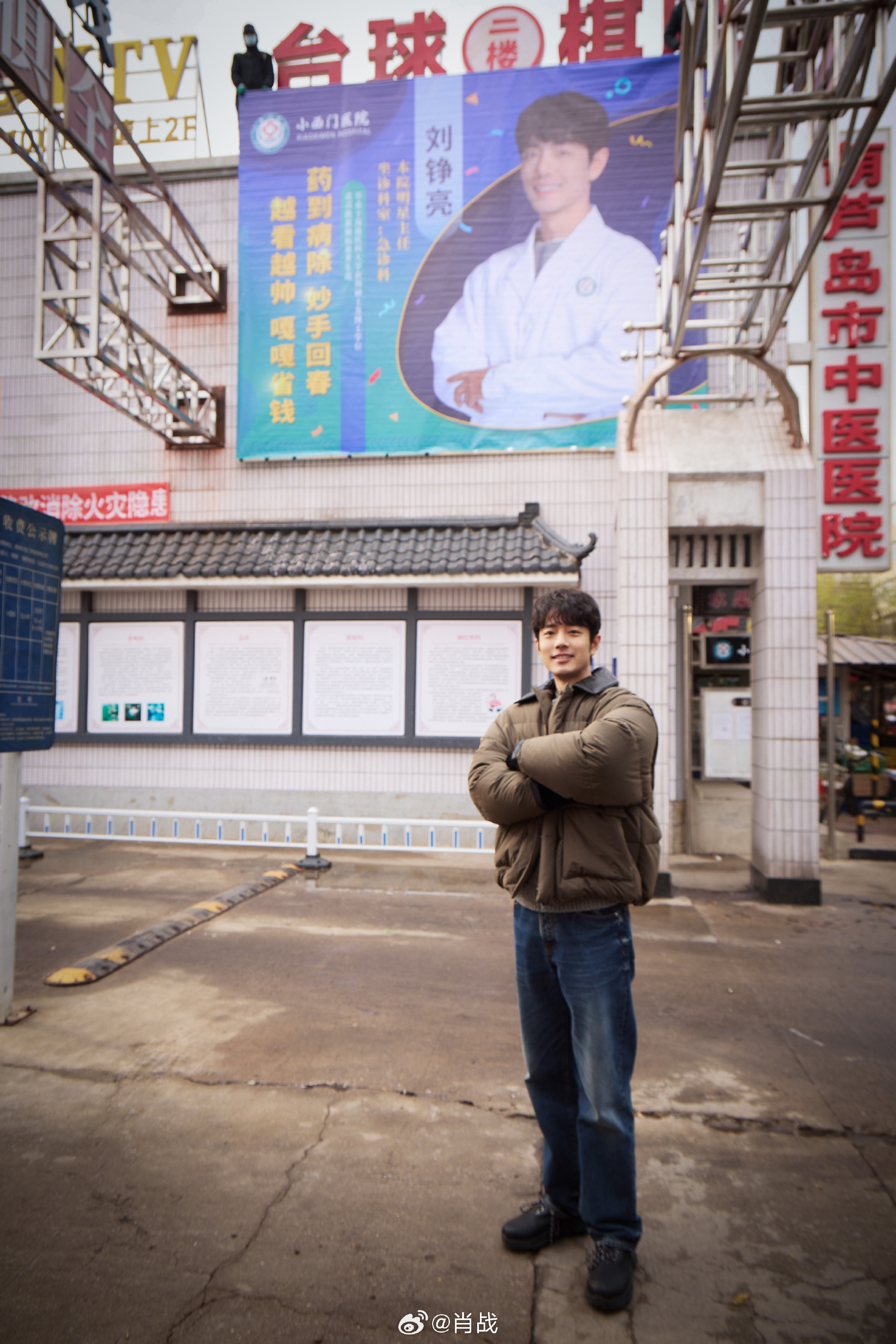
The scene that got people talking was a waiting room. In episode nine of "Small Town Remedy" (Xiaocheng Liangfang), the medical drama now drawing more than two percent of the national audience on CCTV-8, the plot turns on a pitch many viewers of a certain age will recognize: local investors invited to finance an ant farm, with the company promising to buy the colony back at a guaranteed profit. The drama presents it as a scam, and treats it as a small-town tragedy.
Chinese viewers did not need the fiction explained. Within hours the episode's hashtag had filled with people identifying the plot as a rerun of the real thing — the ant-farming investment schemes that swept Liaoning province two decades ago and became, across the northeast, a byword for how rural savings get harvested.
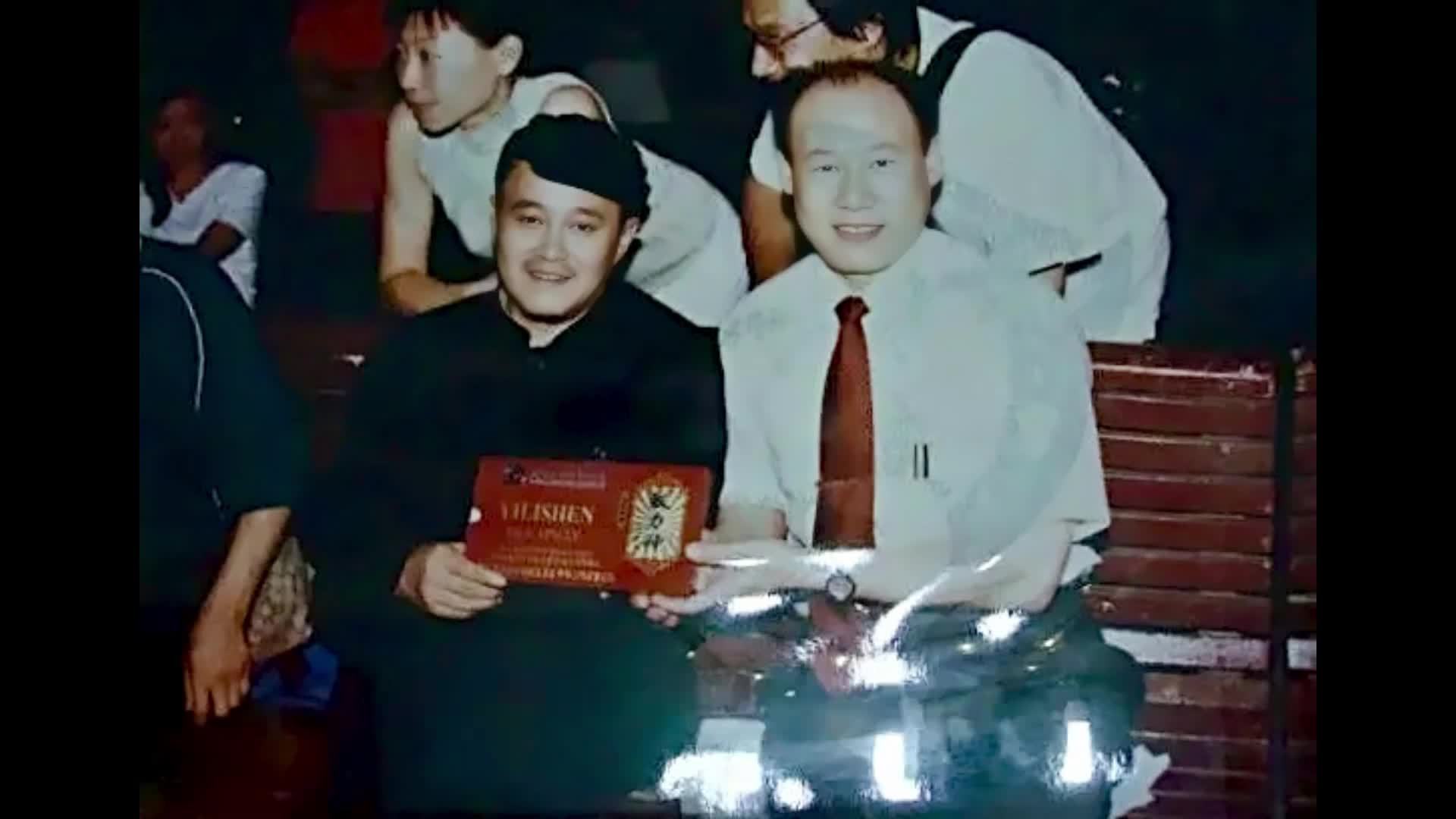
The case people reached for first was Yilishen, the tonic-and-ants conglomerate that operated out of Shenyang. Farmers paid the company a deposit to keep ant-breeding boxes at home; the company promised to buy the ants back, paying a generous "rent" every few months. The economics never existed: returns to older investors were paid out of the deposits of newer ones, the classic shape of a Ponzi scheme. One widely shared retrospective puts the damage at 1.2 million farmers and some 20 billion yuan, notes that the company's "ant tonic" worked only because it was spiked with sildenafil, and records that its boss was later sentenced to life imprisonment.
A second account in the same thread keeps the wider ledger: the ant-farming scheme built on the Yilishen template — "small capital in, company buyback, sure profit," as one poster renders the pitch, "high-interest fundraising in an agricultural costume" — took more than 200,000 victims and over 10 billion yuan, and the era's other great harvest, the Wanli tree-planting scheme, more than 30,000 households and 1.3 billion yuan more. "These are not cold numbers," its author writes. "They are the collective memory of a generation of northeasterners."
What makes the resonance so sharp is the setting such a plot requires — a small town with an aging population, where the people most likely to hand over a life's savings are the ones the story follows. Commenters traded stories of parents and neighbors who lost everything to ant farms, mushroom greenhouses and tree-planting schemes of the same era.
The drama's writers, one commenter observed, "really weren't making things up" — a credit that doubles as a warning. The reassuring arithmetic has not changed in twenty years: small money in, company buyback, sure profit.
CCTV has not responded to the resurgence of the comparison. It does not need to: the plot device is doing what good fiction about fraud usually does, keeping a twenty-year-old wound — and its lesson about guaranteed returns — in circulation.