Breaking the Fifth: A Fresh Start to the Lunar New Year
As the Chinese New Year festivities continue, a significant milestone is marked on the fifth day of the first lunar month, known as "破五" or "Po Wu" in Chinese, which translates to "Breaking the Fifth." This day is steeped in tradition and superstition, signaling the end of a period of prohibitions and taboos that have been observed since the beginning of the year. According to folklore, the fifth day of the first lunar month is the birthday of the God of Wealth, making it an auspicious day to welcome prosperity and good fortune into one's home.
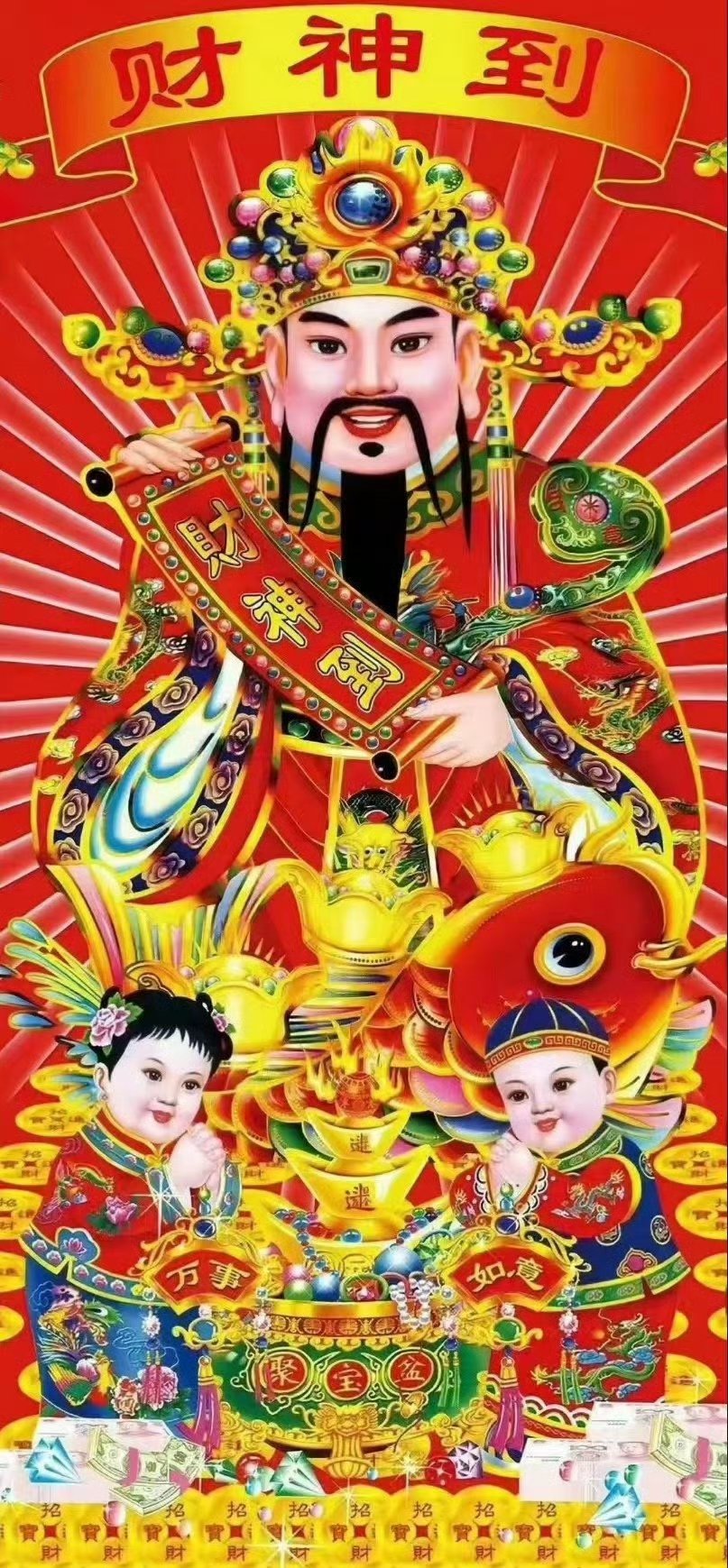
The period from the first to the fifth day of the new year is filled with restrictions, such as not being able to sweep the floor, not being able to say unlucky words, and not being able to do laundry or needlework. These prohibitions are in place to ensure a smooth and prosperous start to the new year. However, on the fifth day, these restrictions are lifted, and people are once again allowed to engage in their daily activities without fear of attracting bad luck. This day is also associated with the birthday of the God of Wealth, a deity revered for bringing prosperity and good fortune.
As a result, families and businesses often celebrate by performing rituals and activities believed to attract wealth and success, such as cleaning their homes, known as "送穷" (song qiong) or "sweeping away poverty", and eating traditional foods like dumplings. In southern regions, merchants may choose to reopen their businesses on this day, symbolizing the revival of economic activity and the pursuit of prosperity. In contrast, northern areas often mark the occasion with the serving of dumplings, further highlighting the diverse ways in which this significant day is observed across different parts of China.
The significance of "破五" (po wu), or "Breaking the Fifth," lies in its symbolism of breaking free from the numerous taboos and restrictions that were in place during the first five days of the Lunar New Year. This day is also associated with the celebration of the "God of Wealth" and is believed to bring good fortune and prosperity. Many people, especially in southern China, choose to reopen their businesses on this day, symbolizing the start of a new and prosperous year. In northern China, it is customary to eat dumplings on this day, which is also a symbol of good luck and wealth.
On this day, people often express their wishes through traditional greetings, such as "Gong Xi Fa Cai" (wishing you prosperity) or "Xin Nian Kuai Le" (happy new year). They also exchange auspicious phrases, like "May your life be filled with wealth and honor" or "May you have a happy and harmonious family." In addition to these verbal blessings, people also engage in symbolic acts to usher in good luck and fortune. For example, they may release fish or birds, which represent abundance and freedom, or they may decorate their homes with auspicious Couplets and hang lanterns to ward off evil spirits and attract positive energy.
The atmosphere is filled with joy, hope, and anticipation, as people look forward to a bright and promising year ahead. As the traditional Chinese saying goes, "A good beginning makes a good ending." On this fifth day of the Lunar New Year, people are eager to start anew, leaving behind the old and embracing the fresh opportunities that the year has to offer. With open hearts and minds, they welcome the future, filled with optimism and confidence that the coming year will bring them happiness, success, and fulfillment.
In many parts of China, the fifth day of the Lunar New Year is also a time for people to plan and make arrangements for the new year, and to wish for good fortune, prosperity, and success. As the old saying goes, "过了初五,万事兴隆" (after the fifth day, everything will be prosperous), marking the beginning of a bright and hopeful new year. The concept of "破五" represents a fresh start and a new beginning, where people can leave the old behind and embark on a new journey.
On this day, families and friends come together to share blessings and well-wishes, hoping for a year filled with prosperity, good fortune, and happiness. The fifth day of the Lunar New Year is a significant milestone in Chinese culture, marking the end of the initial period of celebrations and the beginning of a new cycle, where many of the traditional taboos and restrictions of the earlier days are lifted. It is a time for renewal, rejuvenation, and setting the tone for the rest of the year.
As people prepare to bid farewell to the festive season and return to normal life, the traditions and customs surrounding "破五" offer a fascinating glimpse into China's rich cultural heritage. The diverse ways in which this significant day is observed across different parts of China highlight the country's rich cultural diversity and the importance of tradition and superstition in Chinese culture. Ultimately, the fifth day of the Lunar New Year is a celebration of new beginnings, good fortune, and prosperity, and is a significant milestone in the Chinese calendar.