Chinese Media Demands a Wall Street Journal Apology Over Its 'Jensen Huang Must Go' Editorial
A Wall Street Journal editorial argued that Jensen Huang should leave Nvidia on suspicion alone — that in today's China, the absence of evidence is itself the point. Chinese state media spent Monday demanding a retraction, while Donald Trump said Huang's return "would not be a bad idea."
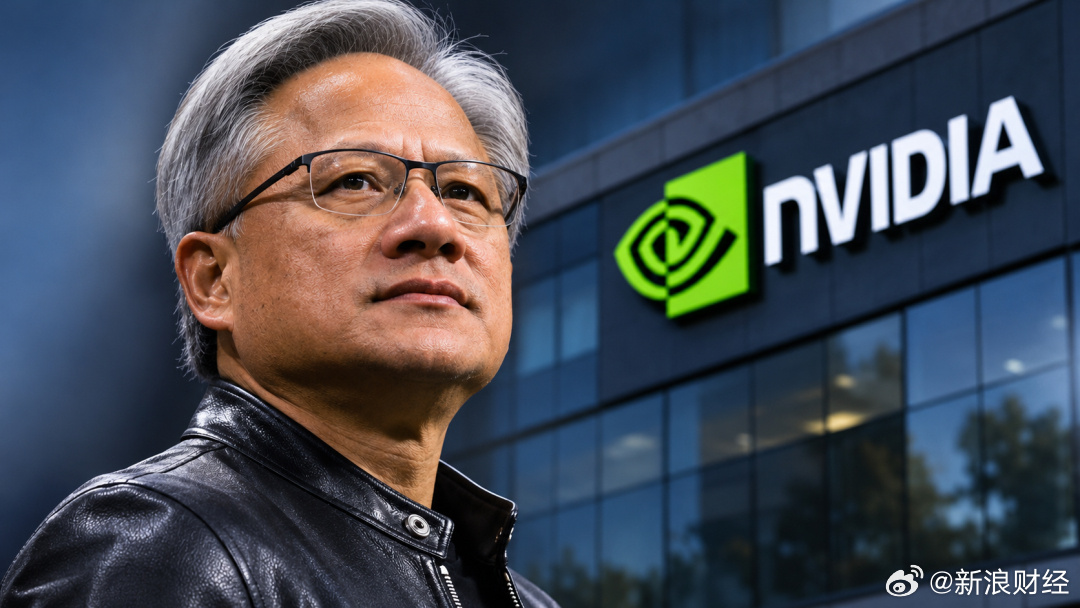
The Wall Street Journal wants Jensen Huang out of Nvidia, and much of Chinese social media wants an apology from the Wall Street Journal. The paper's editorial board ran a column under the headline "Jensen Huang Must Go," arguing that Nvidia's co-founder should step aside over his China ties — and, as Chinese readers saw it, making that case without evidence. By Monday night the hashtag #华尔街日报必须道歉#, "the Wall Street Journal must apologize," was near the top of Weibo's trending list.
The passage drawing most of the fire was quoted at length by Knews, the news app of Shanghai's state broadcaster in a post that anchored the day's discussion: "While there is no public evidence that Huang has worked for Beijing's security services, in today's China that distinction is often no distinction. Beijing operates as what can be considered a spy state, rather than a nation that has an intelligence agency." Knews's rebuttal boiled the reasoning down to a six-character phrase — 抛开证据不谈, "set the evidence aside" — and asked what it treated as the obvious follow-up: by that standard, with eighteen intelligence agencies of its own, what exactly is the United States?
What turned a geopolitical quarrel into an argument about prejudice was a shorter line. The editorial, Knews noted, described Huang's career as spent almost entirely in finance — "and very much the China kind." Would the paper, it asked, ever describe a career as "the very Jewish kind" or "the very Black kind"? If this logic spread, the post — liked more than 2,700 times — warned, every Chinese scientist and entrepreneur working abroad would live with "a sword suspended overhead," suspect precisely to the degree they succeed: the editorial had worried about people "especially as they become more successful and enter industries like AI." Knews called the reflex McCarthyism, and noted the irony of a column that signs off as a defense of "free markets and free peoples."
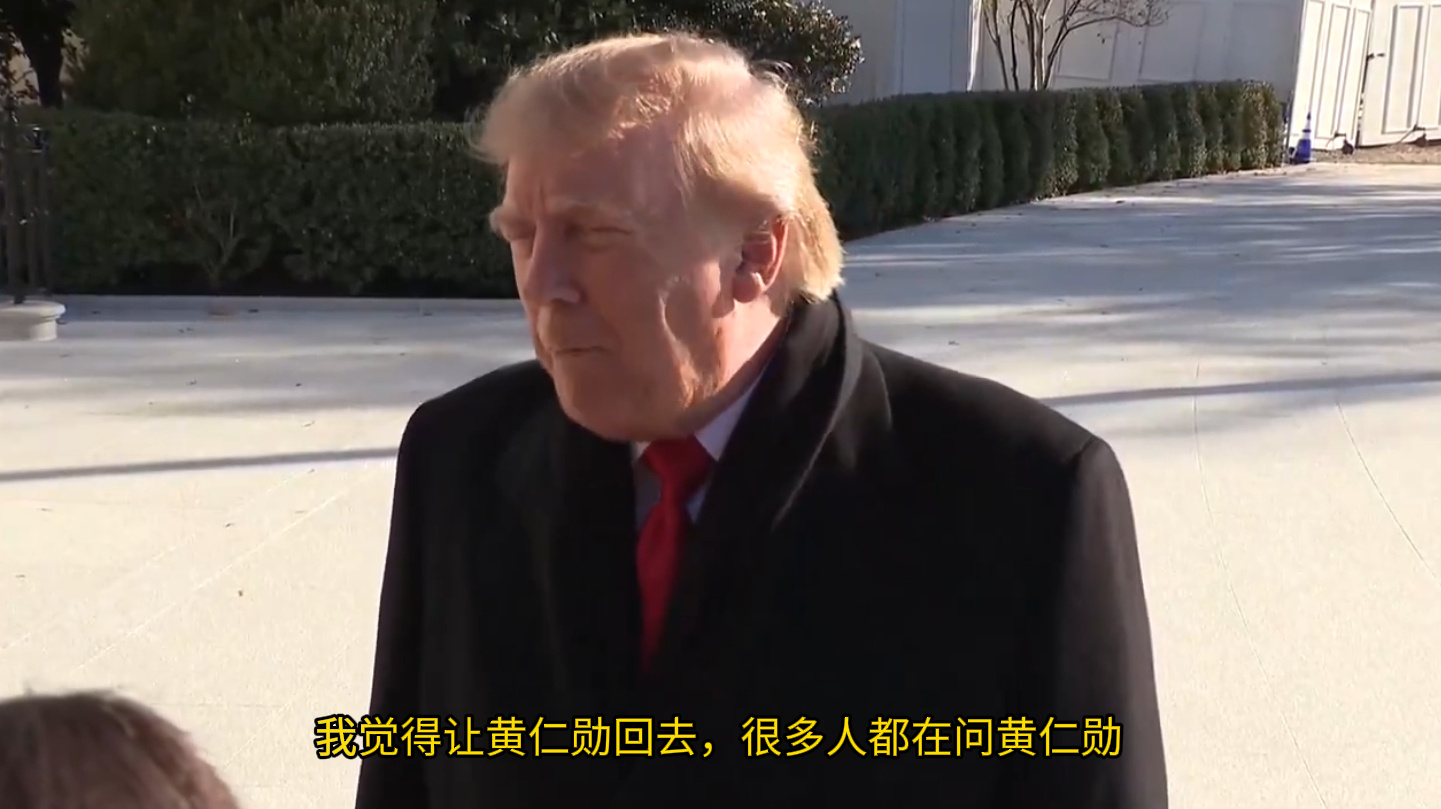
The editorial is the sharpest turn yet in a saga that began with Huang's sudden resignation last week and has since swung the other way. The Financial Times reported on November 16 that Huang is weighing a return, that allies are assembling a "war room" of Silicon Valley executives to lobby the board, and that Huang supports the effort — the lobbying campaign this site reported as it surfaced. In a video clip circulating on Weibo, Donald Trump went further still: "Many people want Huang back at Nvidia. That's certainly not a bad idea." Hong Kong's HK01 carried the same remarks, adding that Trump said he did not know whether Huang was a spy.
For Chinese readers, the fight is no longer about Nvidia's governance. It is about the premise underneath the editorial: that for someone of Chinese descent, running the world's most valuable chipmaker can itself read as a security threat. The Journal is not expected to retract. The next move belongs to Nvidia's board — the body Huang's employees petitioned to restore him, and the one Silicon Valley's most powerful executives are now lobbying to that end.