NVIDIA Co-Founder Jensen Huang Resigns After 33 Years; CFO Kress Takes Over as Interim CEO
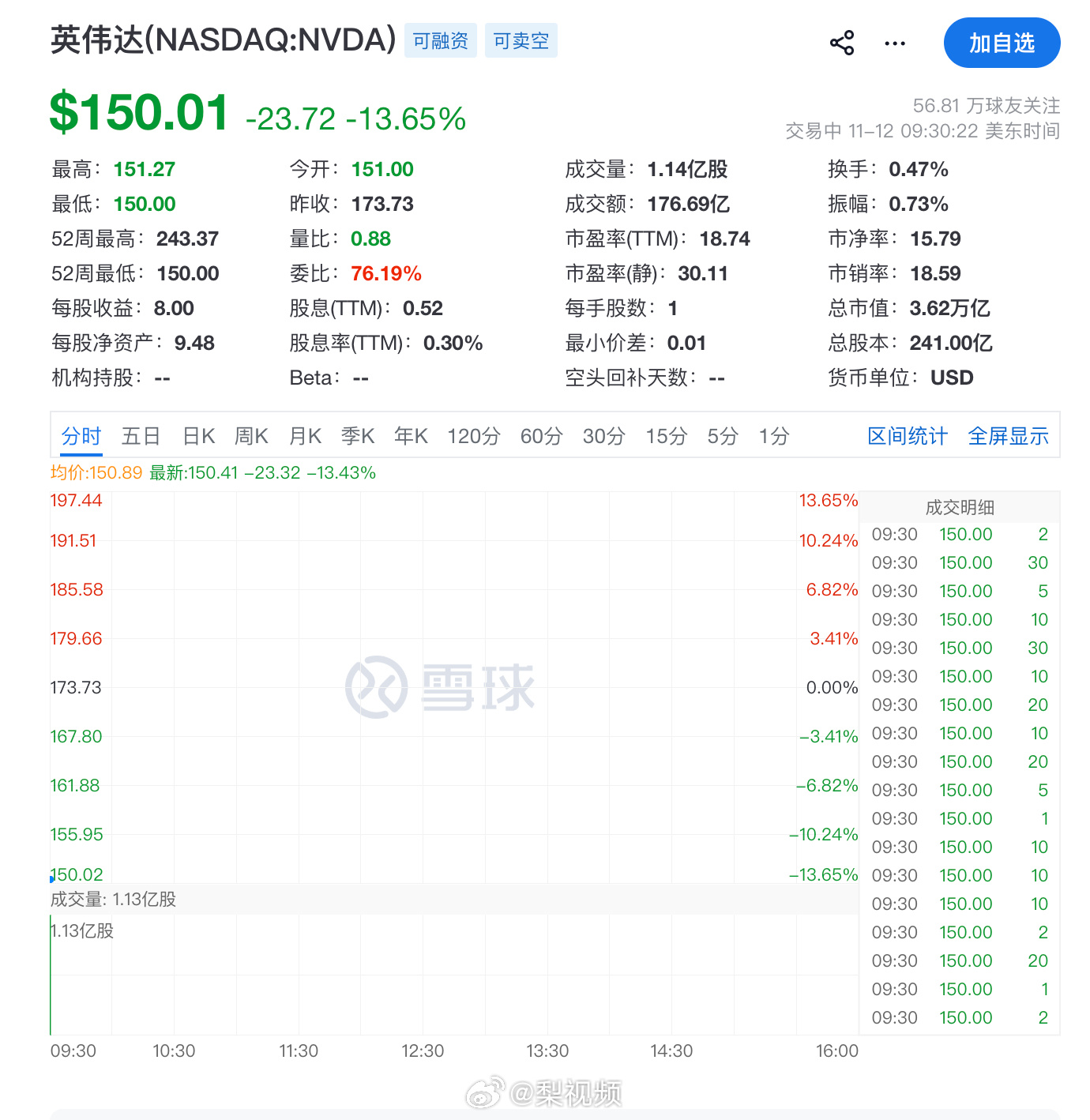
NVIDIA's founder Jensen Huang stepped down as president, CEO and board member on Wednesday, effective immediately, after a week of affair allegations and reports that the board was preparing to oust him. CFO Colette Kress is interim CEO, Harvey Jones becomes the company's first board chairman, and the stock fell more than 13% at one point before recovering most of the loss.
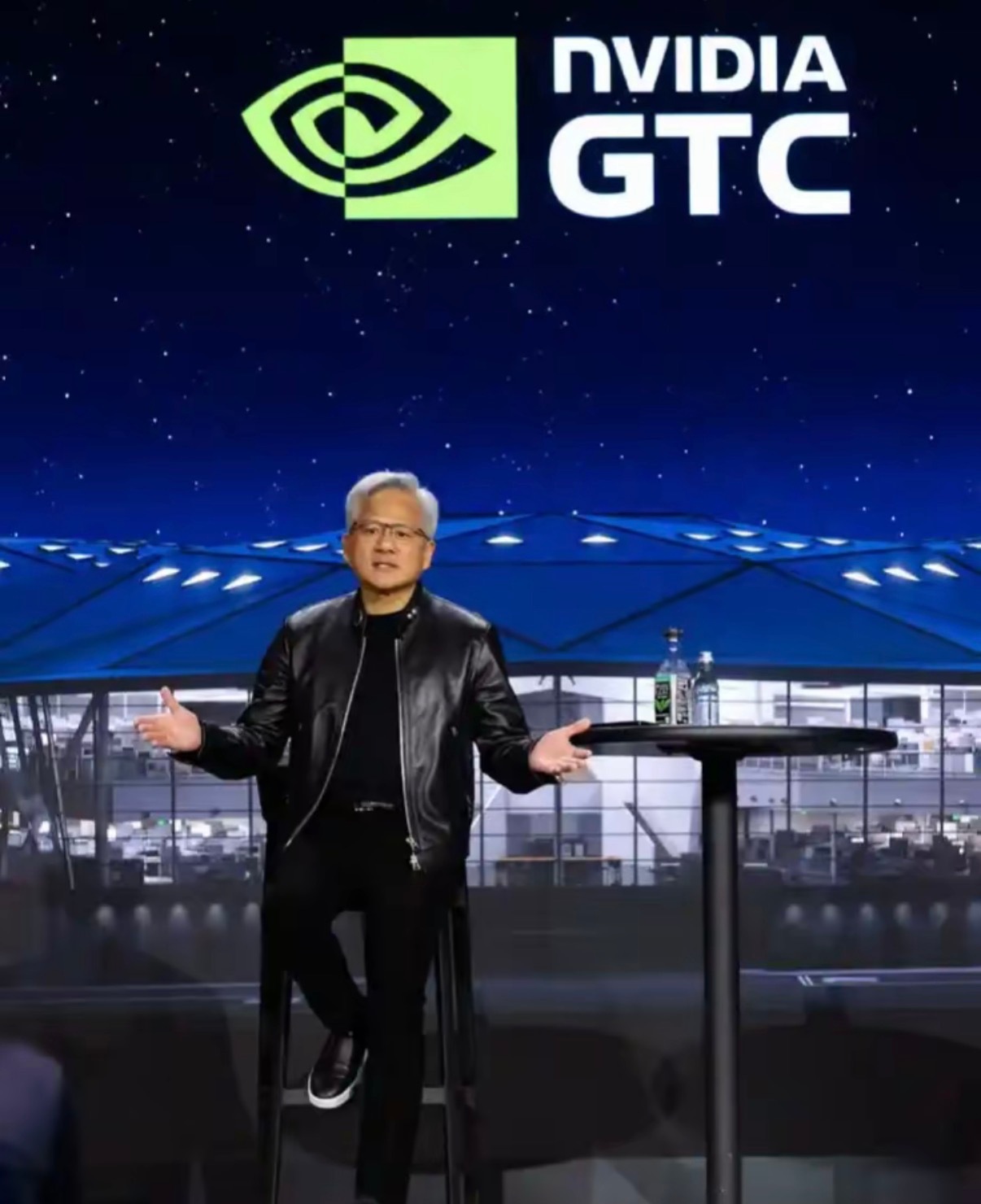
The announcement came late on Wednesday Beijing time: Jensen Huang, who founded NVIDIA in 1993 and ran it for 33 years, had resigned as president, chief executive and board member, effective immediately. Colette Kress, the company's chief financial officer, takes over as interim CEO while keeping her finance role; the board has begun a search for a permanent successor, and Harvey Jones becomes NVIDIA's first-ever board chairman — a post that did not exist while Huang ran the company.
NVIDIA did not state a reason. The official line, in a statement carried by CCTV, was thanks for Huang's "immeasurable contributions." But the resignation had been a week in the making: a new extramarital affair allegation — this one naming a vice president in NVIDIA's medical business who reported directly to him — surfaced in quick succession with reports that the board was preparing to oust him, and the board had opened an independent investigation. None of the reports allege wrongdoing at the company; the issue is the affairs themselves.
Markets read the end of an era instantly. NVIDIA's shares fell about 10% in pre-market trading, then more than 13% at the US open on Nov 12, wiping out over $500 billion in market value at one point and pushing the company's worth below $4 trillion — briefly behind Microsoft. By late in the session the stock had recovered to under a 5% loss and the market value had climbed back above $4 trillion. The company's third-quarter earnings call, scheduled for Nov 17, is going ahead as planned.
The reaction on Chinese social media was as much cultural as financial. Huang is a household name in China's tech world: he visited China earlier this year, and the milk tea and noodles he ate on that trip charted on trending boards. Now the conversation was about what his exit means. Hu Xijin, the former Global Times editor, wrote that Huang's fall was "unthinkable two weeks ago" and called it "almost a 'national security coup' against business." German-language media, carried by DW, framed the affair saga as inseparable from US policy toward China — with talk of a "spy narrative" that China's foreign ministry accused the US side of fabricating, and Chinese AI companies rushing to rent overseas NVIDIA compute in case Washington tightens chip export rules.
The succession question was the most-discussed topic on Zhihu within hours: a question titled "Tim Cook nominated as a potential successor to NVIDIA's top job, with Trump also suggesting him" drew wide attention. Whatever the answer, the board's search is open to internal and external candidates — and the front-runner is the finance chief who has held the company together through the AI boom.
One detail travelled faster than the fundamentals: a headline from 36kr that "Musk reserved a desk for Huang" — the internet's shorthand for where the departing founder might land next. Huang's next move is the only unknown in a story that otherwise resolves itself: the board gets its permanent CEO, the stock gets its own verdict, and the AI boom loses its most famous face.
[
[