Costumed 'NPCs' Are Becoming the Main Attraction at China's Scenic Areas
Chinese tourist sites increasingly hire costumed actors — 'NPCs', a term borrowed from video games — to roam reconstructed historical streets and pull visitors into the story, from poetry duels with 'Li Bai' in Xi'an to a 30-million-yuan hiring spree in Shanxi. A Caixin report this week examines why young Chinese are paying for the actors rather than the scenery.
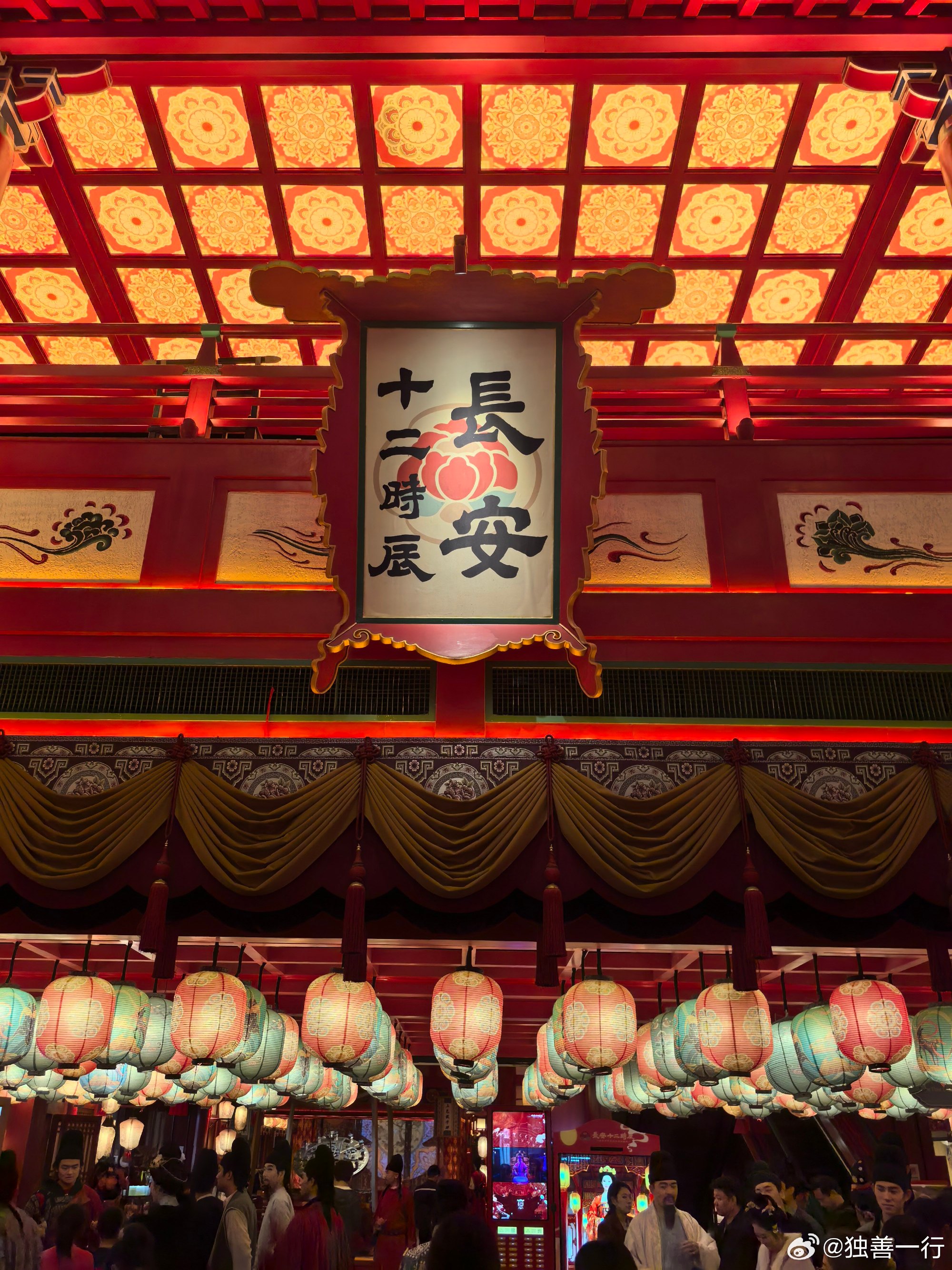
One visitor spent an afternoon in Xi'an as "a distant relative of Li Bai": the poet, in the flesh, walked her through the markets of Chang'an, introduced the street food, and then took her to a tavern to duel in verse. She wrote it up as the best part of the trip. 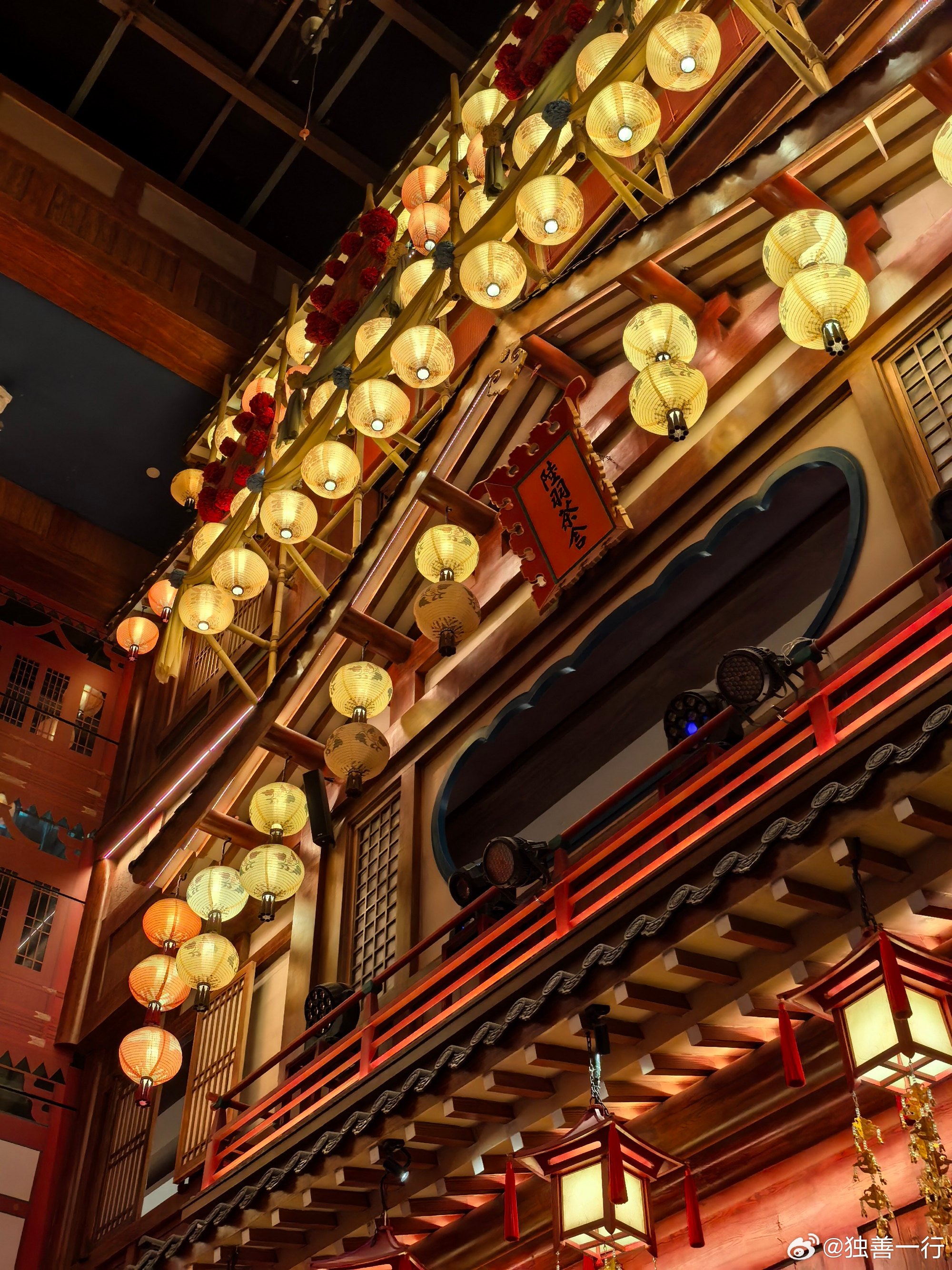
Caixin profiled the phenomenon this week under a title that captures where it has gone — young people paying to "sit in jail" and to duel poetry with "Li Bai" — reporting that at scenic areas across the country, the actors have become the attraction. "NPC" is a term borrowed from video games, short for non-player character: the costumed figures who populate a game world whether or not the player looks at them. Chinese tourist sites have adopted it as a job description. In reconstructed Tang-dynasty streets the NPCs are "Li Bai" and "Wang Wei," street-watch patrols of the kind the drama Chang'an familiarized audiences with, and merchants hawking in period accent; their job is to stay in character and start scenes with anyone who walks past.
The format's pioneer is the Chang'an Twelve Hours block in Xi'an, built by converting a failed downtown shopping mall into the street sets of the costume drama it is named for — an interview with the chairman of the state group behind it framed the insight as selling atmosphere rather than relics. A visitor account from this week reads like the brochure the industry now writes for itself: collect a program at the gate, watch a water-sleeve dance against a holographic water curtain, clink cups with "Li Bai" and trade lines, stay for a light-show banquet; arrive at five to see the market in daylight and the lantern lanes after dark, and expect the "Hu merchants" to rope you into an improvised scene whether you planned one or not. (The account is here.)
The scale is institutional. Workers' Daily reported last month that one Shanxi scenic area is advertising 30 million yuan to recruit a hundred NPC performers, and the Ministry of Culture and Tourism's latest statistical bulletin names immersive experiences among the new formats the sector is meant to cultivate. The trade's own vocabulary is telling: what visitors are buying is "emotion value" — the feeling of being inside a story rather than in front of one.
The gameplay can get strange. At one Tang-themed site, Caixin's report describes visitors earning in-game tokens by lifting copper coins off the actors' tables when they are not looking; the report's other example is sites that let you pay to be locked up as part of the story. Not everyone is charmed: one student visitor complained — fondly — that the poetry is shaky, with "Li Bai" reciting a line better known from a TV costume drama and "Wang Wei" reciting a poem by Su Shi, and called the whole thing a strained "cultural hardship tour," a pun on a famous travel writer's book title; she admitted, though, that she could place every allusion her mother could not. And when an actor at one scenic area went viral for flirtatious interactions, a People's Daily affiliate called such gimmicks a betrayal of what the format is for, a commentator arguing that the streets which endure are the ones whose "Li Bai" wins visitors through poetry, not innuendo. The hiring sprees suggest the industry has already voted with its payroll; whether it can keep the story worth paying for is the argument now live inside the trade itself.